

The equestrian community mourns the loss of two riders who died in separate cross-country accidents during eventing competitions. These tragic incidents underscore the inherent risks of the sport and have prompted calls for renewed focus on rider safety measures.
Details of the Fatal Cross-Country Accidents
Eventing, a demanding equestrian discipline combining dressage, show jumping, and cross-country phases, requires riders to navigate challenging terrain and fixed obstacles at speed. Unfortunately, two riders recently lost their lives in separate crashes while competing in the cross-country portion, which is widely regarded as the most hazardous segment of eventing.
While specific details about each incident have not been fully disclosed, eventing authorities confirmed the fatalities and expressed their condolences to the families and communities affected. The identities of the riders and locations of the accidents have not yet been revealed, pending further investigation.
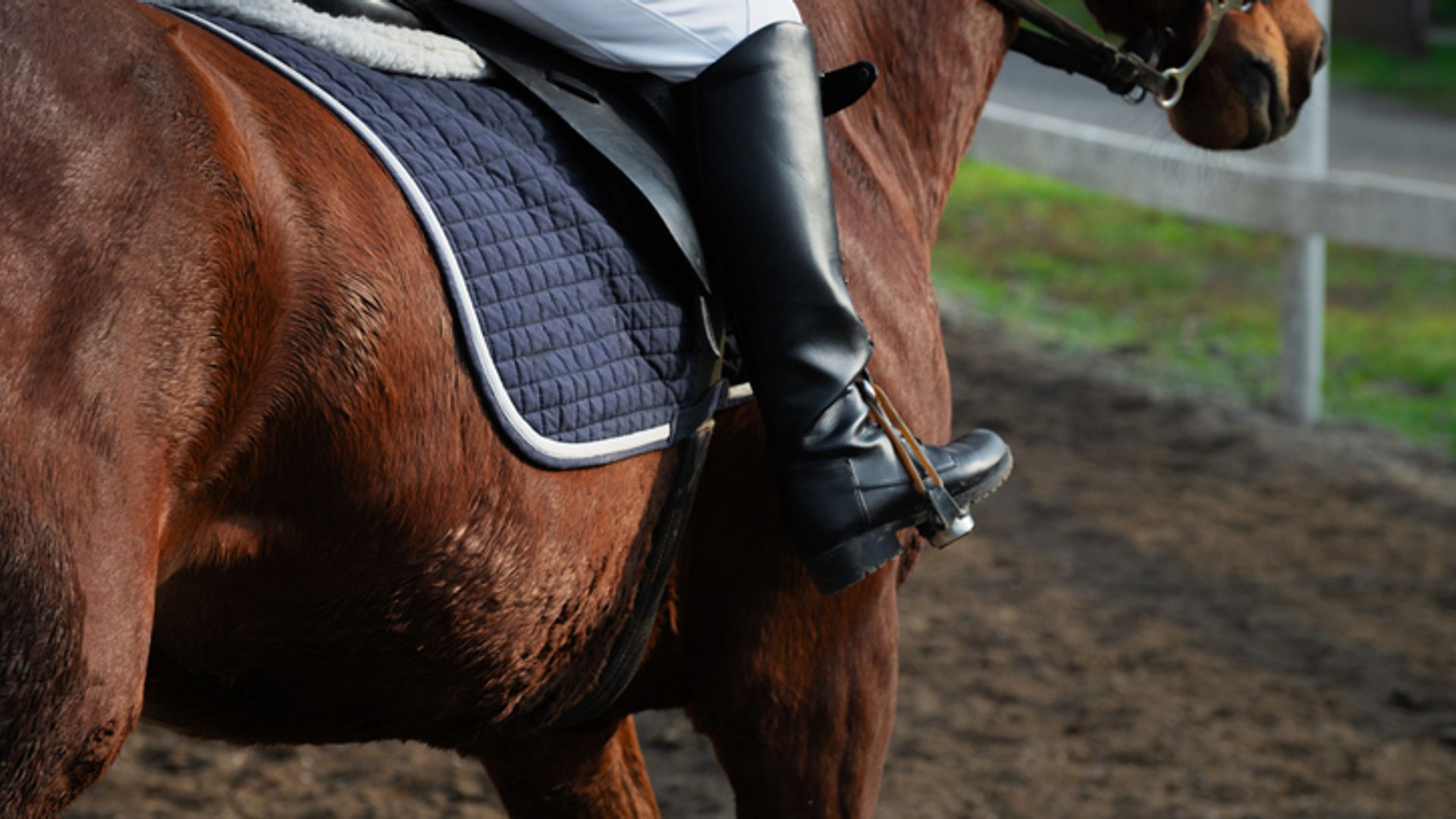
Cross-country courses test the skill, endurance, and courage of both horse and rider, often involving jumps over solid, natural obstacles such as logs, ditches, and banks. The combination of speed and fixed fences can increase the risk of falls and injuries, making safety protocols a critical concern for event organizers and governing bodies.
Why These Accidents Matter: Safety Challenges in Eventing
These tragic deaths highlight the ongoing challenges eventing faces in balancing the sport’s thrilling nature with the safety of participants. Over the past decades, the sport has made significant advances in protective gear, course design, and rider education, yet accidents remain a sobering reality.
Protective equipment like body protectors and helmets are mandatory, and many riders also use air vests designed to inflate upon impact. Course designers strive to create challenges that test ability without being unduly dangerous. Despite these measures, the variable terrain and unpredictable nature of horses can still lead to serious incidents.
Eventing authorities regularly review safety standards, incorporating new technologies and research findings. The recent fatalities may prompt further examination of current protocols, potentially leading to enhanced regulations or innovations aimed at preventing future tragedies.
The Broader Impact on the Equestrian Community
The loss of any rider resonates deeply within the tight-knit equestrian world. Riders, trainers, families, and fans confront the realities of risk in a sport many describe as a lifelong passion. Memorials and tributes often follow such incidents, honoring the riders’ dedication and love for horses.
These events also reignite discussions about how to improve safety without compromising the essence of eventing. Some advocate for stricter course modifications, while others emphasize rider training and horse welfare. The balance between maintaining the sport’s challenge and safeguarding participants remains a focal point of debate.
Moreover, these incidents may influence insurance policies, event regulations, and community awareness, encouraging all involved to prioritize preparedness and caution.
Looking Forward: The Future of Cross-Country Safety
While the equestrian community grieves, it also looks ahead with determination to learn from these tragedies. Innovations such as improved obstacle design, enhanced rider protective equipment, and advanced medical response protocols are potential avenues for reducing fatalities.
Eventing organizations worldwide continue to collaborate with safety experts, riders, and veterinarians to develop comprehensive strategies that protect both horses and riders. Education campaigns aimed at young riders emphasize safe riding techniques and risk awareness, aiming to cultivate a culture of safety from the grassroots level.
Ultimately, the heart of eventing lies in the unique partnership between horse and rider, a relationship built on trust, skill, and courage. Preserving that bond while minimizing risk remains the paramount goal for all stakeholders.
Takeaway
The recent deaths of two cross-country riders serve as a stark reminder of the dangers inherent in eventing’s most challenging phase. While the sport continues to evolve with safety advancements, these tragic losses underline the urgent need for ongoing vigilance and innovation. The equestrian community honors those lost by redoubling efforts to make eventing safer, ensuring future riders can pursue their passion with greater confidence and security.