

The traditional nomadic lifestyle of Britain’s Travellers and Gypsies faces an unprecedented challenge: balancing their centuries-old customs with the pressing need to establish permanent roots. As legal restrictions tighten and official sites remain scarce, this close-knit community confronts a critical crossroads where survival depends on adaptation without losing identity.
The Decline of Traditional Stopping Places and the Rise of Land Buying
Once able to freely pitch caravans by the roadside, Travellers now find this lifestyle increasingly restricted by modern laws that prohibit unauthorised encampments. The loss of these informal sites has intensified the struggle to find safe, legal places to stay, driving a surge in Travellers pooling resources to purchase land.
Over recent holidays, such as Easter, Travellers settled on multiple unauthorized sites across southern England, igniting tensions with local residents and councils. These conflicts highlight the wider problem: the chronic shortage of council-designated Traveller sites, with thousands of additional pitches needed nationwide to meet demand.
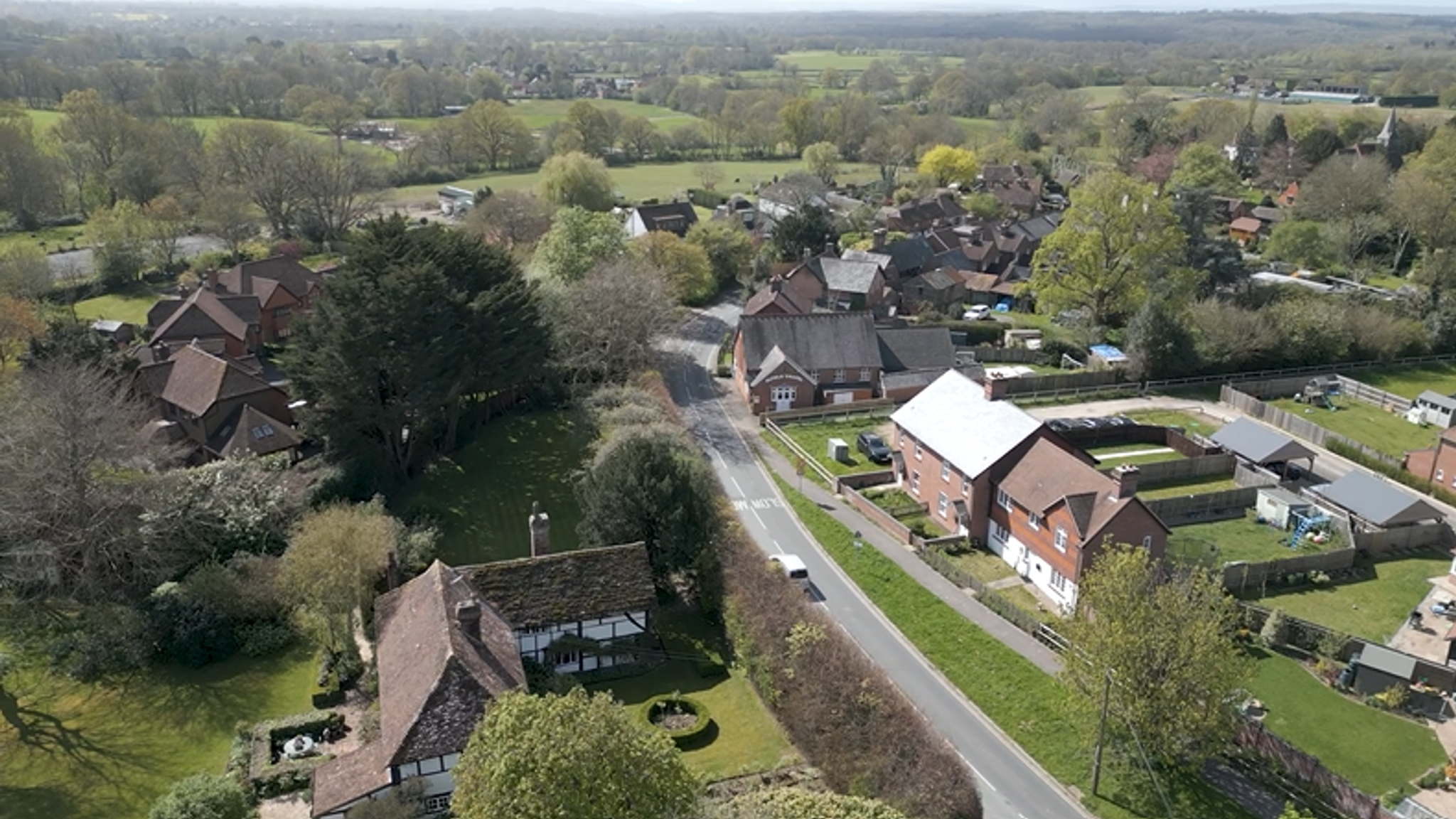
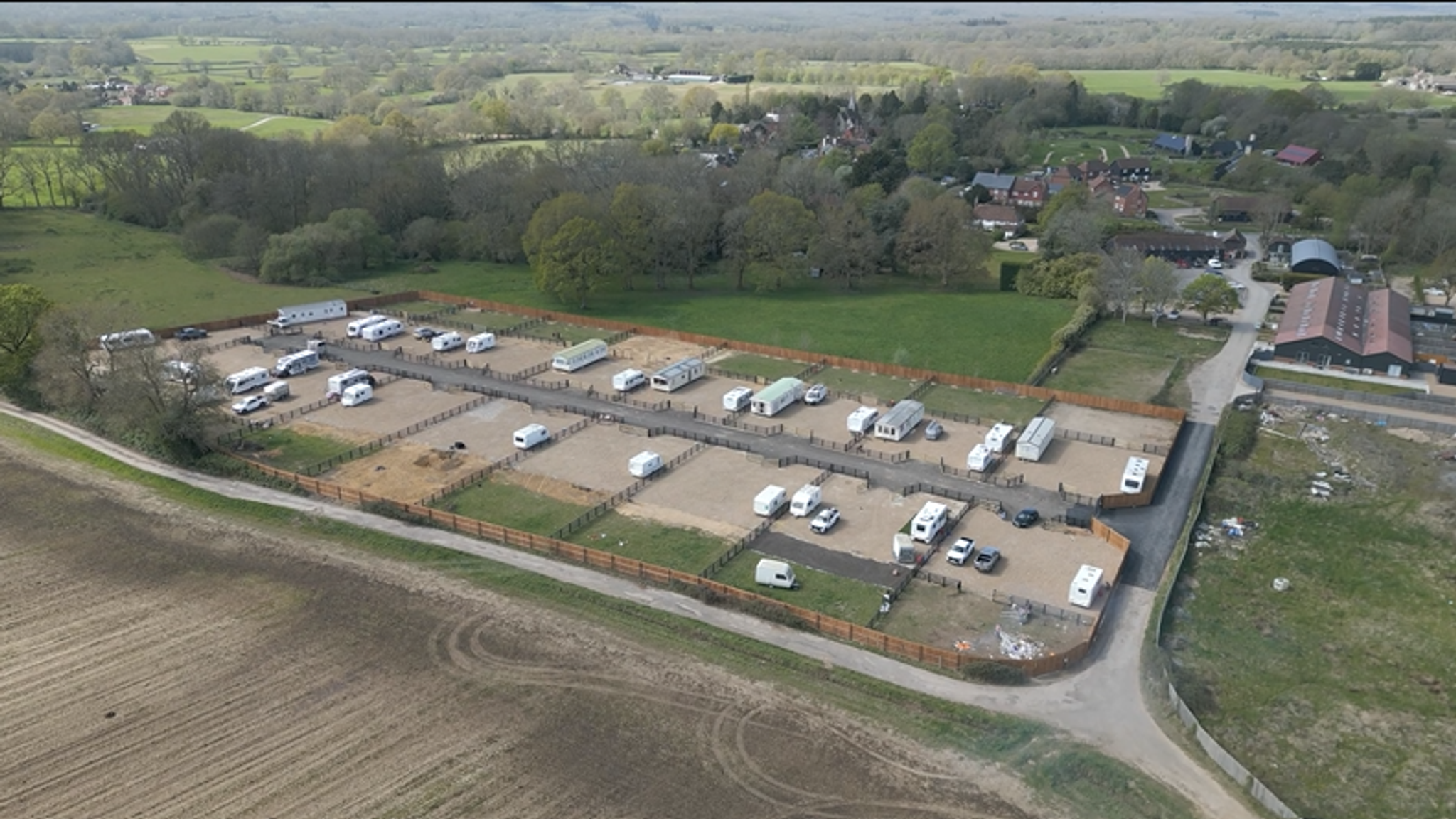
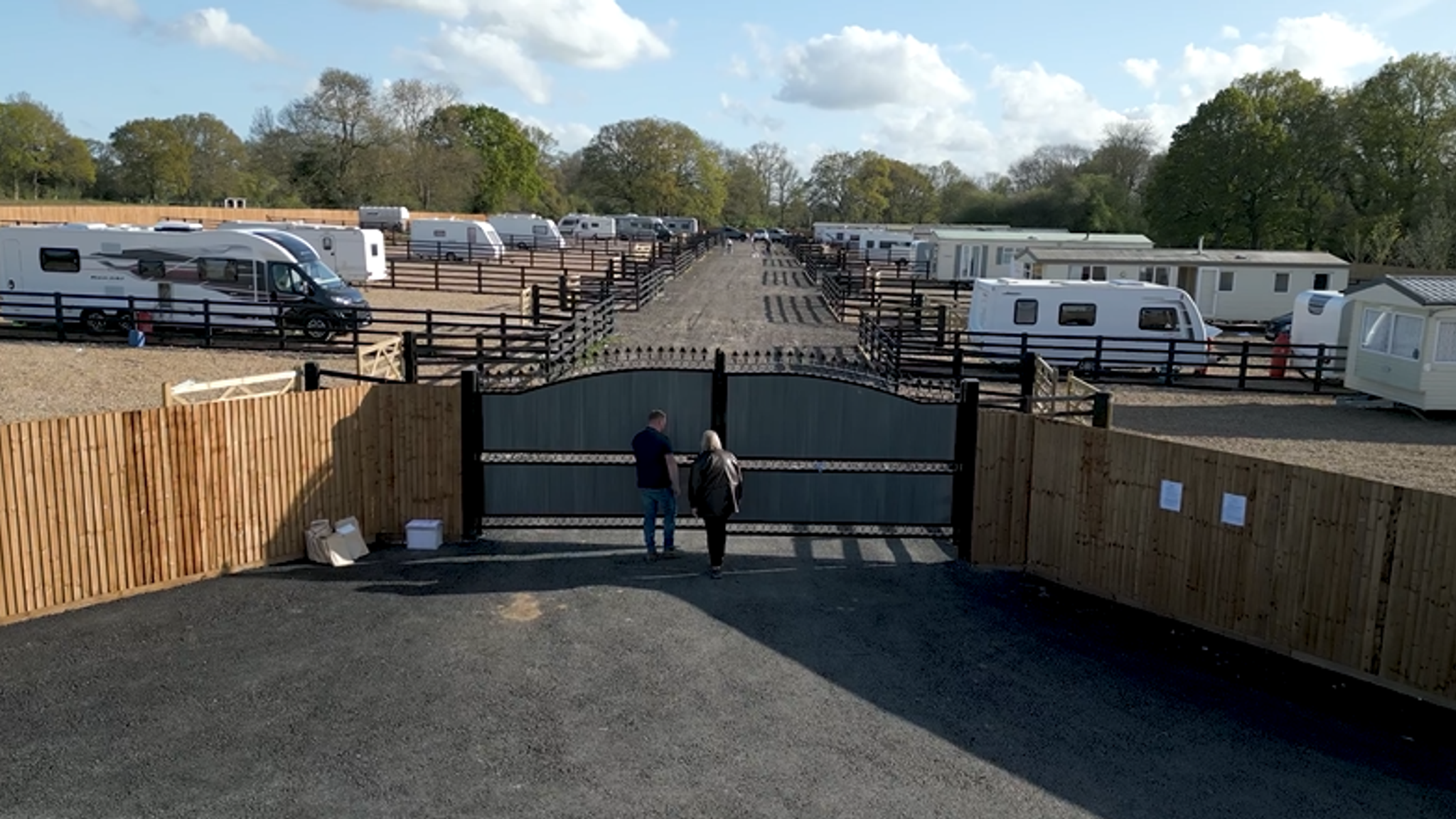
One vivid example is the tiny village of Alfold in Surrey, where around 40 adults and 60 children—forming an extended family unit—have established a caravan community on privately acquired land. While the Travellers cherish their caravan lifestyle, locals express concern about the village’s capacity to support this sudden population increase. Alfold lacks basic infrastructure such as schools and GP surgeries, and the influx has strained roads and services.
Residents also voice frustration over the Travellers not paying council tax, though the Travellers argue they do not receive council services and would be willing to pay if those services were provided.
Why Travellers Are Seeking Stability Without Abandoning Tradition
Despite their historic nomadism, many Travellers now seek a degree of permanence—an address where children can access education and families can gain stability. High rates of illiteracy and educational deprivation within the community have made schooling a priority for the younger generation’s future.

John Reilly, founder of the Gypsy Traveller League, emphasizes this shift. “We are born Travellers,” he explains. “You are born a Gypsy. You can’t tomorrow morning say ‘I want to be a Traveller.’” Yet, he acknowledges that adapting to modern society is inevitable: “It’s not going to change our culture, but it will change our ways.”
For many young Travellers, ambitions stretch beyond traditional roles. Reilly recounts instances where teachers have discouraged children by saying, “Why am I teaching you? You’re only going to be a block paver.” He challenges this mindset: “Is that nice to tell a child? Whatever that child wants to be, shouldn’t he have that opportunity?”
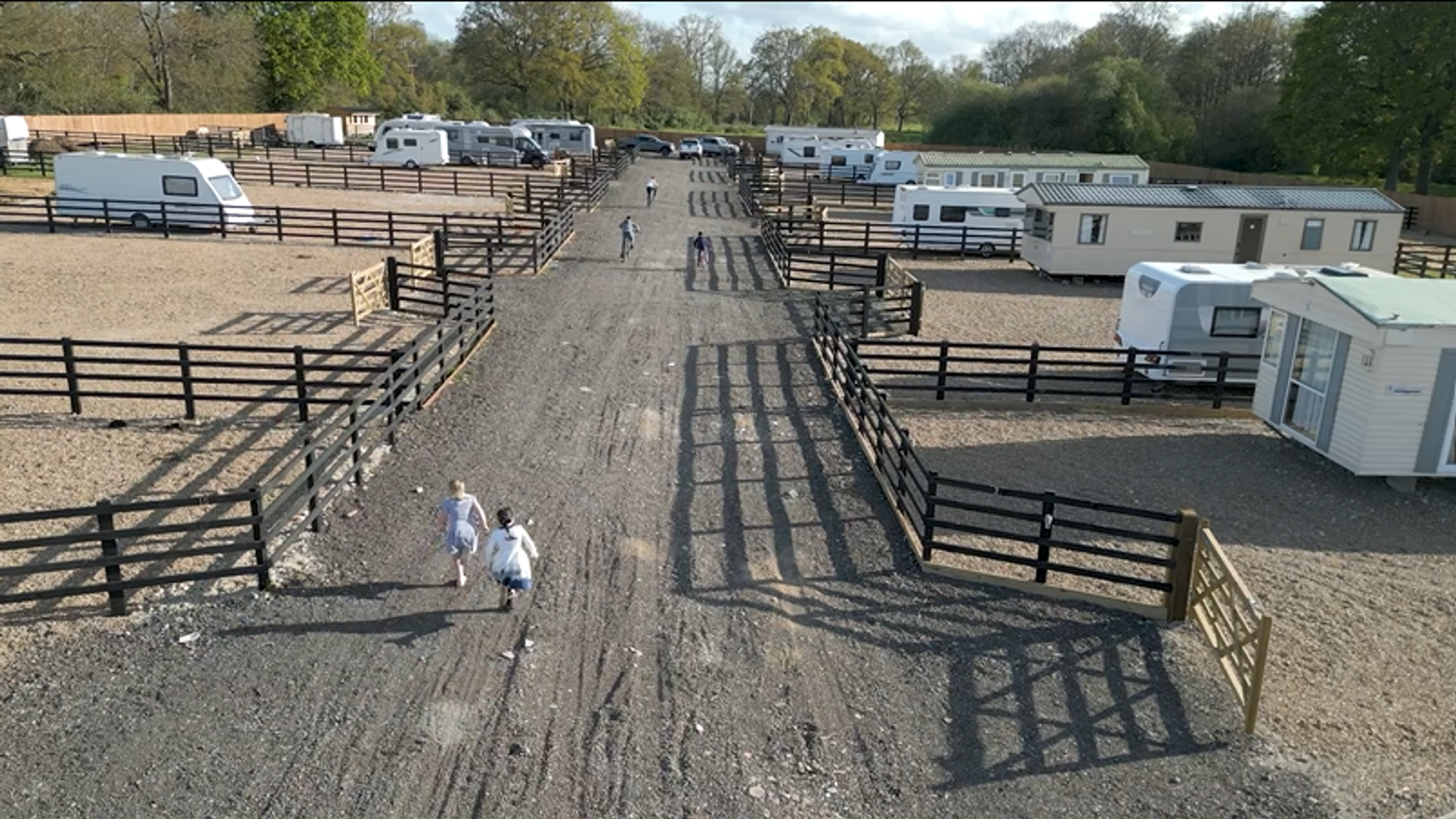
This desire for change coexists with a firm commitment to preserving caravan living and cultural identity. The community’s move towards permanent sites does not equate to abandoning their heritage; rather, it reflects a pragmatic approach to ensure their children’s success within mainstream systems.
Facing Discrimination and Building Bridges with Wider Society
Despite these efforts, Travellers continue to face hostility and prejudice. John Reilly reveals that over 150 discrimination cases against Travellers and Gypsies are currently before the courts. He highlights the disparity in societal responses: “You can go on social media right now and say ‘kill the Gypsies’—you will never be punished for that. But if you said that about migrants or anyone else, what would happen? You’d go to prison.”
Many communities openly reject the presence of Travellers nearby, perpetuating social exclusion. Reilly laments, “Nobody wants us.” This entrenched alienation complicates efforts by Travellers to integrate while maintaining their distinct identity.
The Travellers acknowledge they have work to do to build trust and improve their reputation in the eyes of their neighbours. They strive to demonstrate that their culture can coexist with wider society’s expectations, fostering mutual respect and understanding.
What This Means for the Future of Traveller Communities
The evolving situation reflects a pivotal moment for Travellers in Britain. Legal frameworks, societal attitudes, and infrastructure must adapt to accommodate a community caught between tradition and modernity. Without sufficient official sites, the pressure to secure private land will grow, potentially fueling conflicts with local communities unprepared for such changes.
Conversely, supporting Travellers’ access to education and services offers a pathway to empowerment and social inclusion. Recognizing their rights and addressing discrimination could help bridge divisions, enabling Travellers to thrive while preserving their rich cultural heritage.
As the community navigates these complex challenges, their story underscores a universal truth: cultural survival often demands flexibility and resilience in the face of change. For Britain’s Travellers and Gypsies, the fight to protect their way of life means embracing new realities without losing the spirit that defines them.