

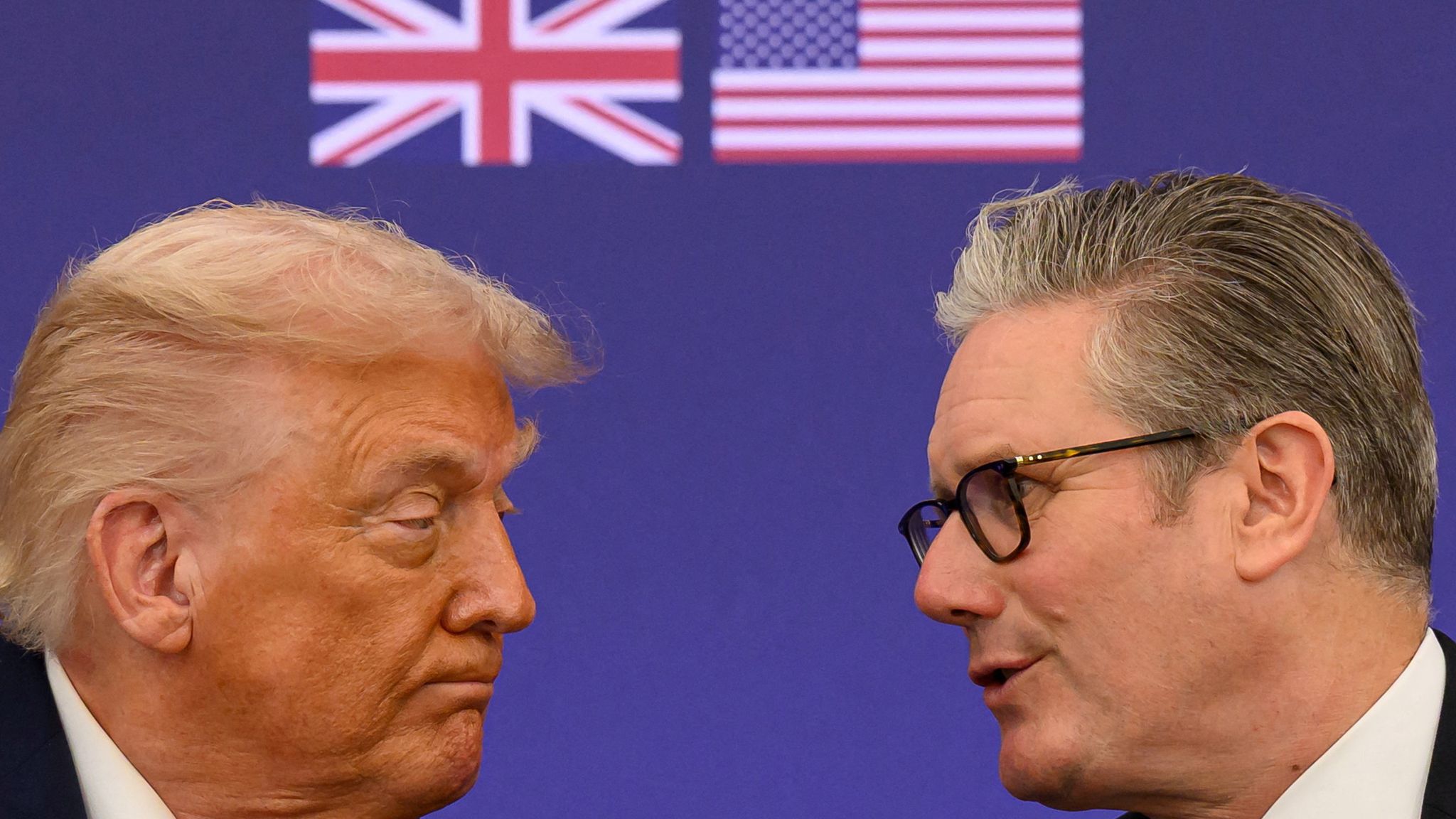
Donald Trump has issued a stark warning to the United Kingdom, threatening to impose a substantial tariff if London refuses to repeal its digital services tax targeting American technology companies. This escalating trade dispute underscores the ongoing tension between the two allies over digital taxation policies and economic sovereignty.
What Is the Digital Services Tax and Why Does It Matter?
Introduced in 2020, the UK’s digital services tax (DST) levies a 2% charge on the revenues of large multinational tech firms. The tax specifically targets companies generating more than £500 million globally, with at least £25 million of revenue derived from UK users. This policy aims to ensure that tech giants such as Facebook, Google, and Amazon contribute their fair share of taxes in the jurisdictions where they operate, addressing concerns over tax avoidance through complex corporate structures.
However, the DST has been a significant point of contention between the UK and the US, as American tech companies bear the brunt of this tax, which Washington views as discriminatory. The US government argues that such unilateral taxes unfairly penalize its businesses and distort free trade principles.
Trump’s Tariff Threat: Details and Implications
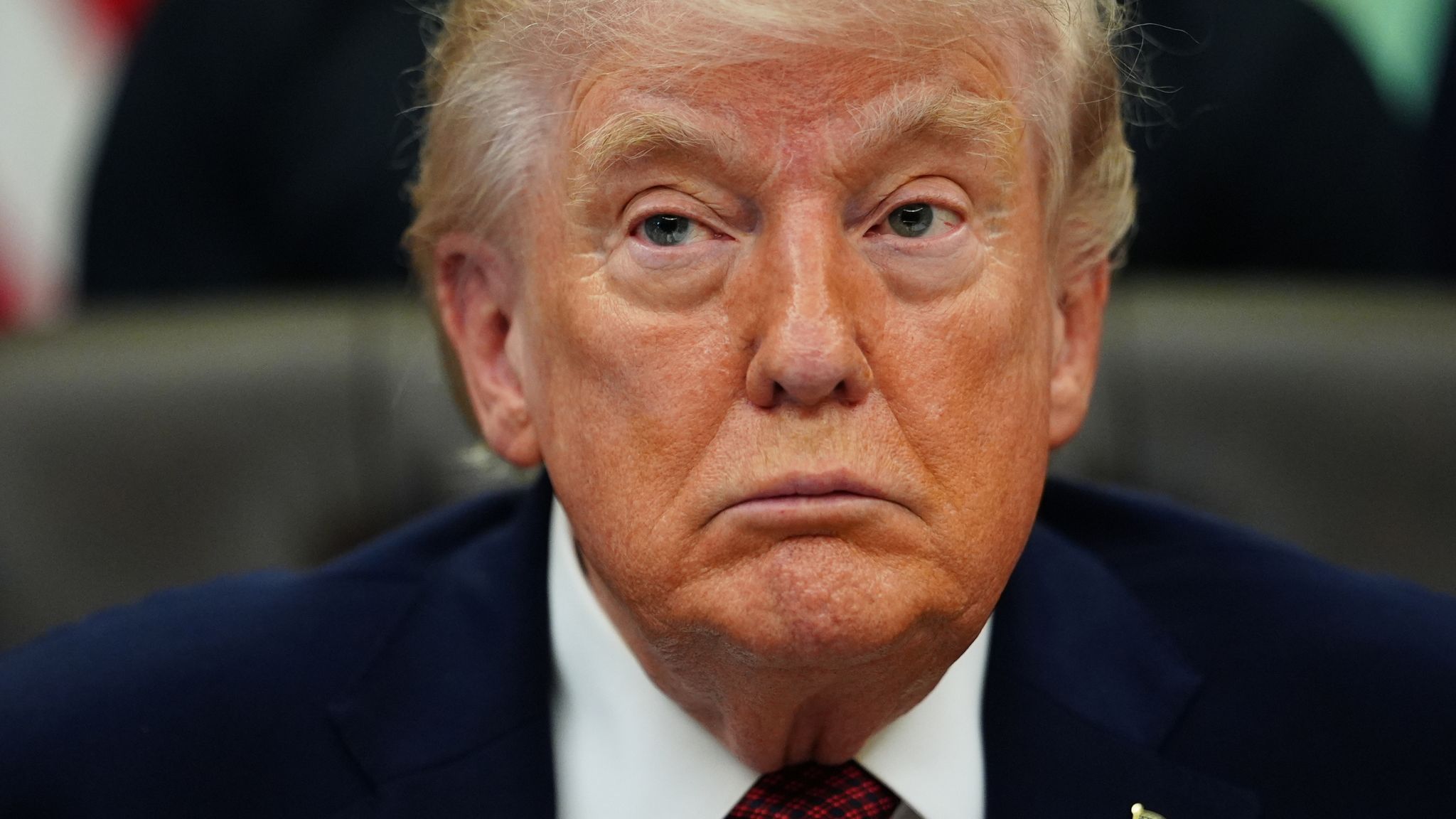
Speaking to reporters, former President Donald Trump delivered a blunt message: the US could respond by imposing “a big tariff” on British goods if the DST is not scrapped. Trump emphasized that any tariff would exceed the revenue generated by the UK’s current levy, stating, “If they don’t drop the tax, we’ll probably put a big tariff on the UK.”
Trump accused the UK of attempting to “make any easy buck” at the expense of American companies, asserting that the US has been “taken advantage of” by such laws. He warned of retaliatory measures that would match or exceed the financial impact of the digital services tax.
The digital services tax was notably excluded from changes in the recent US-UK trade deal signed in May 2025, despite being a key topic during negotiations. Trump hinted that the trade agreement remains flexible, stating in a recent interview that its terms “can always be changed.” This suggests that the tariff threat could be a strategic move to renegotiate or pressure the UK government.
Trump’s stance aligns with previous US actions, where the administration has considered additional tariffs and export controls on countries enforcing similar digital taxes. European nations such as France, Italy, and Spain also apply digital services taxes, making this a broader transatlantic trade dispute.
Political Fallout and Broader Context
The tariff threats come amid heightened geopolitical tensions, including the ongoing conflict in the Middle East, which has further complicated UK-US relations. Trump has been openly critical of UK Labour leader Sir Keir Starmer and the British government’s position on the Iran war. He disparaged Starmer’s leadership, stating, “This is not Winston Churchill we’re dealing with,” while lamenting the “sad” state of the historic “special relationship” between the two countries.
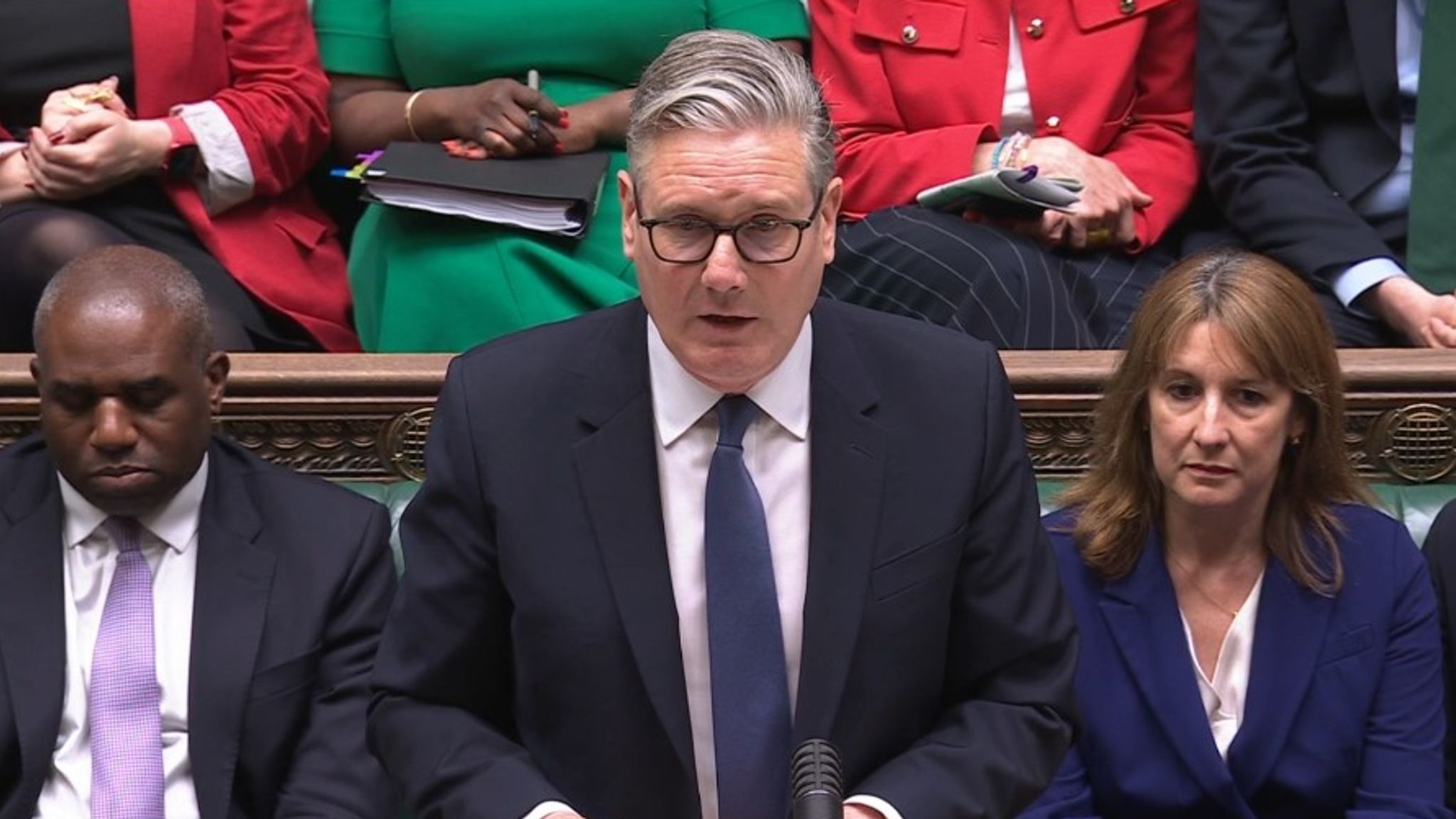
Despite this criticism, Sir Keir Starmer remains resolute in his stance on the Middle East conflict. Speaking during Prime Minister’s Questions, Starmer declared, “We’re not going to get dragged into this war. It is not our war.” He stressed that the UK will not alter its position under pressure, emphasizing, “It is not in our national interest to join this war, and we will not do so. I know where I stand.”
Trump’s digital services tax dispute also reflects broader challenges facing international trade in the digital age. Governments worldwide grapple with how to tax digital giants fairly while avoiding trade conflicts. The US, home to many leading tech firms, views unilateral taxes as protectionist measures that threaten global economic stability.
What This Means Going Forward
Trump’s tariff threat places the UK at a crossroads: maintain a tax policy designed to capture revenue from digital giants or risk damaging its trade relationship with the US. The British government faces pressure to balance domestic fiscal priorities with its international diplomatic and economic partnerships.
The situation also signals a potential escalation in digital trade disputes, with other countries watching closely. If the US follows through on tariffs, it could provoke a wave of retaliatory measures and complicate efforts to establish a coordinated global tax framework for digital services.
For UK businesses and consumers, the outcome could affect prices, trade flows, and investment decisions. For American tech companies, the stakes involve not only tax liabilities but also market access and regulatory environments.
As the UK government has yet to respond to Trump’s latest comments, the coming weeks will be critical in determining whether dialogue can avert a damaging trade conflict or if tariffs will become the next battleground in US-UK relations.
In summary, the digital services tax dispute is more than a financial disagreement—it’s a test of the evolving economic relationship between two long-standing allies amid a rapidly changing global digital economy.