

When President Donald Trump announced tariffs on $250 billion (£185 billion) worth of Chinese imports in 2018, it marked a dramatic turning point in US-China relations and triggered what many experts consider the official start of the trade war between the two economic giants. These unprecedented tariffs not only rattled markets but also tested the fragile economic interdependence that had long existed between the United States and China.
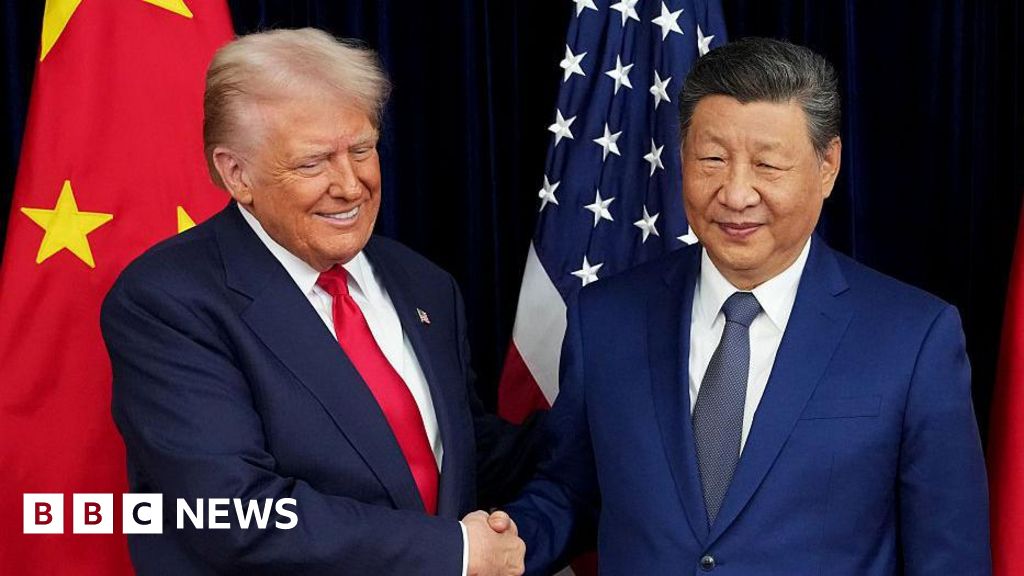
What Sparked the Trade War?
In the same year, Trump expanded his tariff strategy beyond China, targeting other major trading partners such as Mexico, Canada, and Europe. His rationale was consistent: these nations were allegedly exploiting the US through unfair trade practices. The sweeping levies came as a shock to many, especially to Beijing.
Ning Leng, a policy researcher at Georgetown University, explained the unprecedented nature of Trump’s approach. “It was the first time they [China] dealt with Trump seriously, and they probably did not expect him to go ahead with it,” Leng said, highlighting the surprise and unpreparedness on the Chinese side.
The Economic Stakes for China
At that time, China’s economy was heavily reliant on its trade relationship with the US. America served as a crucial importer of Chinese manufactured goods, supporting millions of Chinese factory jobs. The imposition of tariffs threatened to sever this lifeline, raising the specter of job losses and economic instability within China’s export sector.

These tariffs came at a particularly vulnerable moment for China, which was already grappling with long-standing economic challenges. Domestic consumption was sluggish, unemployment rates were elevated, and the country faced a drawn-out property market crisis that weighed heavily on economic growth.
The importance of exports to the US cannot be overstated. They provided a critical buffer against these internal weaknesses, sustaining employment and industrial output. With Trump’s tariffs, this crucial avenue was suddenly at risk, intensifying economic uncertainty.

Why This Trade Strife Matters
The trade conflict between the US and China goes beyond mere tariffs; it represents a fundamental clash over economic dominance and global influence. For decades, China’s export-driven economy benefited from access to American consumers and markets. Trump’s aggressive trade policies disrupted this dynamic, forcing China to rethink its economic strategies and seek new markets and domestic reforms.
For the US, the tariffs aimed to protect American industries and workers from what the Trump administration described as unfair trade practices, including intellectual property theft and forced technology transfers. However, these measures also risked inflating costs for American consumers and businesses reliant on Chinese goods and components.

This trade war also sent ripples through the global economy, affecting supply chains, investor confidence, and international diplomatic relations. The imposition of tariffs exposed vulnerabilities in global trade networks and underscored the risks of escalating protectionism in an interconnected world.

Looking Ahead: The Fragile Truce
As Trump’s administration pushed forward with tariffs, the US-China relationship entered a tense and uncertain phase. While temporary agreements and negotiations have occasionally eased tensions, the fundamental issues remain unresolved, leaving the trade truce precarious at best.
Understanding the origins and stakes of this trade war is essential for grasping current geopolitical dynamics. The tariffs not only reshaped economic policies on both sides but also highlighted the delicate balance between cooperation and competition in US-China ties.
Going forward, the world will closely watch how these two superpowers navigate their relationship. Will they find sustainable pathways to coexistence and mutual benefit, or will trade tensions escalate further, destabilizing global markets and economic growth?
In sum, Trump’s 2018 tariffs on Chinese imports fundamentally altered global trade, challenging decades of economic interdependence and setting the stage for a fragile, ongoing truce with wide-reaching consequences.