The London Underground will cease operations from 18:30 on Wednesday evening, marking a significant disruption for commuters and travelers across the city. This planned Tube strike requires passengers to adjust their travel schedules accordingly to avoid being stranded or delayed.
With the strike commencing at 18:30, it is crucial for anyone relying on the Tube to complete their journeys well before that time. Transport for London (TfL) has warned that trains will run normally up until the strike begins, but crowds are expected to surge between 16:30 and 18:30 as commuters rush to finish their travel before services halt.
This disruption is part of ongoing industrial action affecting London’s subway network. The strike underscores the challenges faced by the capital’s public transport system amid labor disputes, impacting millions who depend on the Tube daily.
__IMAGE_PLACEHOLDER_1__
What Happens During the Tube Strike?
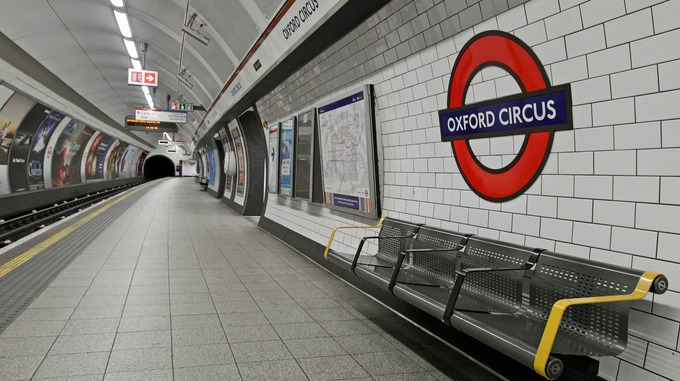
Starting from 18:30 on Wednesday, all London Underground services will stop running entirely for the remainder of the evening. This total shutdown means no trains will be available on any Tube line beyond that time, effectively bringing the network to a standstill during peak evening hours.
Passengers are strongly advised to plan their journeys earlier in the day and seek alternative transportation options once the strike takes effect. The period just before the strike starts is expected to be particularly congested as commuters try to avoid being caught mid-journey when services halt.
Other TfL services will continue to operate normally, including the Docklands Light Railway (DLR), London Overground, tram networks, and TfL Rail. However, these services are anticipated to experience a significant influx of passengers who would usually travel by Tube, resulting in unusually crowded conditions.
It is important to note that while these alternative services remain available, they may not fully compensate for the absence of Tube trains. Passengers should prepare for longer waiting times and more crowded carriages than usual.
__IMAGE_PLACEHOLDER_2__
Why This Strike Matters
The London Underground is a vital artery for the city’s commuters, tourists, and residents. Serving millions of journeys daily, the Tube’s suspension creates ripple effects across the entire transport network and the city’s economy.
Evening travel is critical for many Londoners returning from work, social engagements, or other activities. With services ending early, people face the challenge of rescheduling plans or seeking costly and less convenient alternatives such as buses, taxis, or ride-sharing services.
This strike highlights broader issues affecting London’s transport workforce, including disputes over pay, working conditions, and job security. Public demonstrations of this nature have a history of disrupting the city but also serve as a powerful tool for workers to voice their concerns.
The knock-on effects extend beyond just travel inconveniences. Businesses may see reduced foot traffic during evening hours, and the increased pressure on non-strike transport services could lead to delays and overcrowding, impacting overall public safety and comfort.
__IMAGE_PLACEHOLDER_3__
What to Expect and How to Prepare
Commuters should take proactive steps to navigate this disruption. Check TfL’s live updates and service alerts to stay informed about the latest developments before and during the strike day.
Consider adjusting your travel plans by completing journeys earlier or utilizing alternative routes and modes of transport. Walking, cycling, or using buses may be viable options depending on your destination and time constraints.
For those who must travel during the strike hours, anticipate crowded conditions on DLR, London Overground, and tram services. Allow extra time for your journey and be prepared for possible delays.
Employers may want to offer flexible working arrangements on strike days to help alleviate pressure on public transport and support employees in managing their commutes.
Ultimately, this strike serves as a reminder of the critical role transport workers play in keeping London moving and the complex challenges within the city’s transit infrastructure.
Looking Ahead
While the Tube strike scheduled for Wednesday evening presents immediate challenges for Londoners, it also forms part of a larger conversation about the future of public transport in the capital. Stakeholders, including TfL, unions, and government bodies, must engage constructively to resolve underlying issues and prevent future disruptions.
For passengers, staying informed and planning ahead remains the best strategy to minimize inconvenience. The resilience and adaptability of London’s commuters will be tested, but with careful preparation, the impact of this strike can be managed.
As London navigates these transport challenges, the episode underscores the essential nature of the city’s public transit systems and the importance of maintaining open dialogue between all parties involved.