

London’s transport network faces severe disruption as Tube train drivers stage a series of strikes over contested changes to their working conditions. These walkouts, led by the Rail, Maritime and Transport union (RMT), are causing widespread delays and cancellations across the Underground, affecting millions of commuters and visitors.
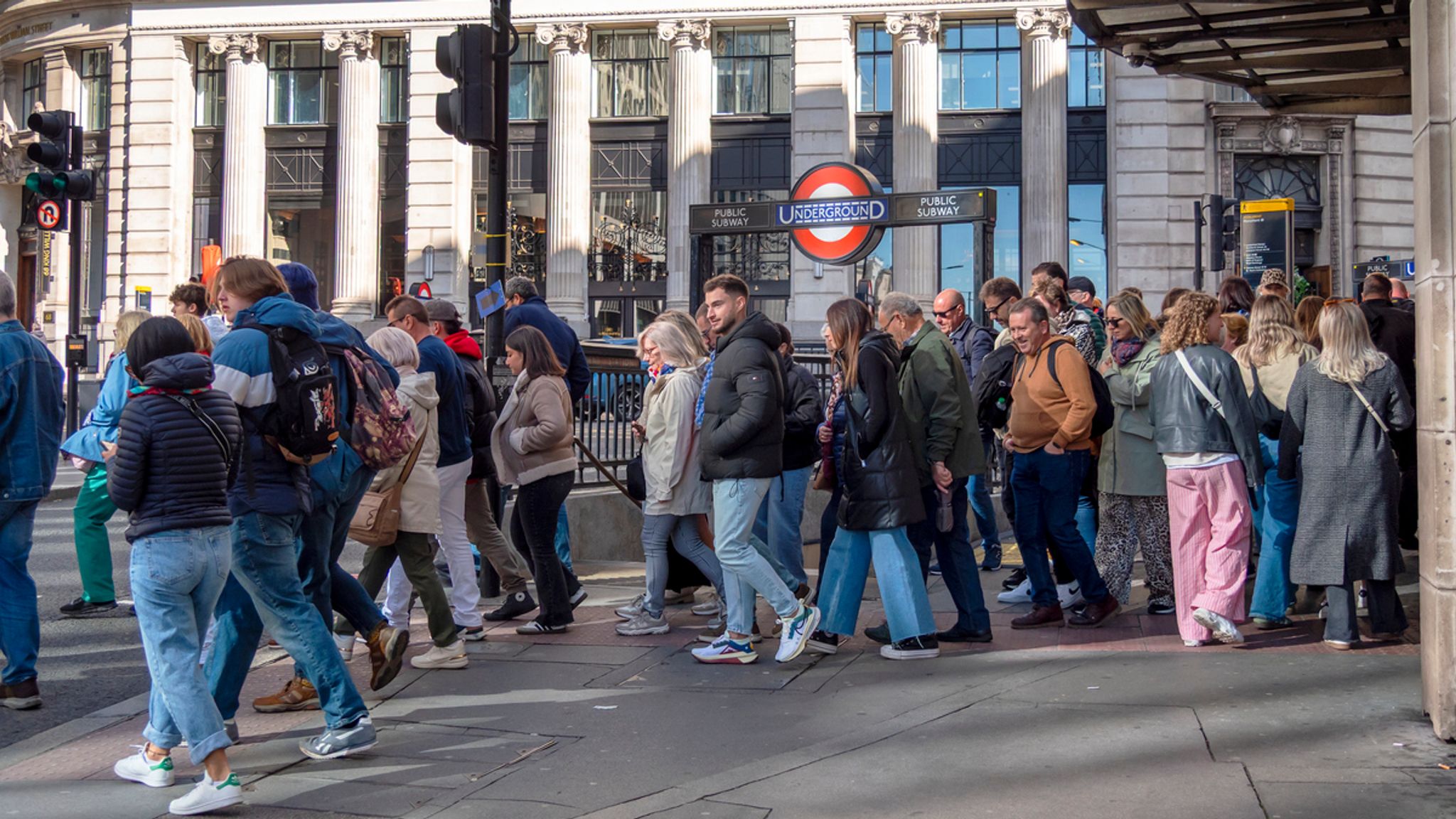
When Are the Tube Strikes Happening?
The strike action began with a 24-hour stoppage starting at noon on Tuesday and continues with another 24-hour strike beginning at noon on Wednesday. Transport for London (TfL) has issued detailed warnings about the impact throughout this period, urging passengers to plan carefully.
Thursday, 23 April:
- Normal Tube services operate until mid-morning.
- Service frequency decreases late morning as the strike approaches.
- From midday onward, strikes cause significant disruption across all lines.
- The few trains that do run will end service early; passengers should complete travel by 8pm.
Friday, 24 April:
- Tube services start later than usual, with no trains before 7:30am.
- Major disruption expected on all lines until midday.
- Service recovery will be gradual in the afternoon and evening, with lingering delays.
TfL recommends using its journey planner and monitoring its live status page for real-time updates to avoid unnecessary travel delays.
Which Tube Lines Are Hit and What Services Remain?
Despite a reduced service running on some lines, TfL confirms that the strike will affect the entire Tube network. Passengers should expect crowded trains and limited frequency, with many unable to board their first train due to capacity constraints.
Complete suspensions are in place for the following lines and sections:
- The Piccadilly and Circle lines will see no service during strike hours.
- The Metropolitan line will be closed between Baker Street and Aldgate.
- The Central line will not operate between White City and Liverpool Street.
Passengers can still rely on the Elizabeth line, Docklands Light Railway (DLR), London Overground, and tram services, which will run normally throughout the strike days.
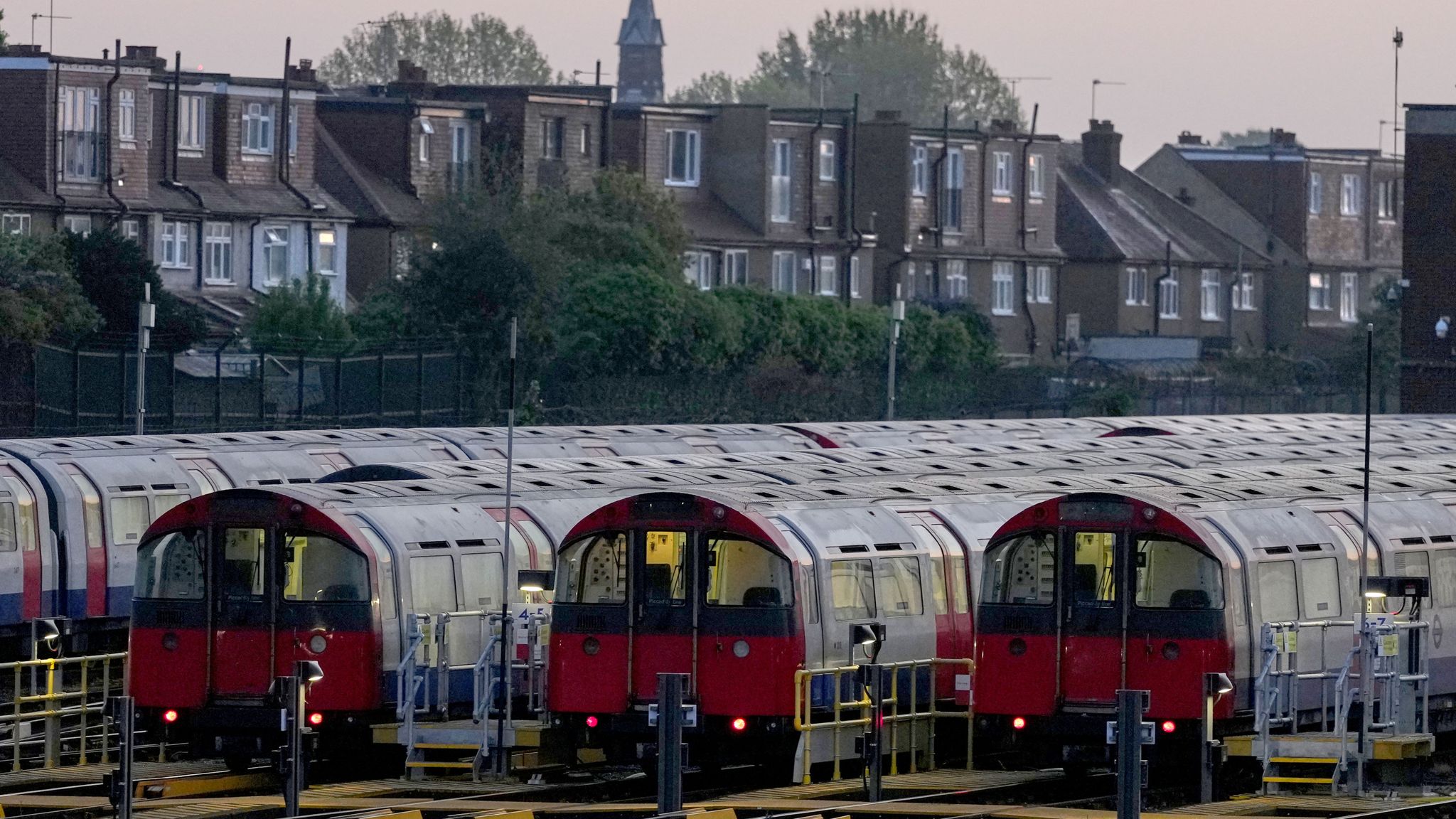
Additional Bus Strikes Compound Disruption
London’s challenges extend beyond the Tube. While most bus routes are expected to operate normally, Unite the Union has announced a strike by 150 bus station and network traffic controllers running from Thursday to Saturday. This walkout is timed to coincide with the Underground strikes, amplifying travel difficulties.
Furthermore, a separate 24-hour bus strike will affect seven routes operated by Stagecoach from Bow Bus Garage in East London, starting at 5am on Friday. The impacted routes include:
- 8, 25, 205, 425, N8, N25, and N205
TfL has indicated that the 25 and 425 routes will maintain near-normal service levels for much of the day, while the N8 will operate a reduced route between Hainault and Liverpool Street but maintain its usual frequency. However, the remaining routes are expected to experience severe delays or cancellations.
Why Are These Strikes Taking Place?
The core dispute centers on TfL’s proposal to introduce a four-day working week for Tube train drivers. This plan would condense weekly working hours, a move the RMT vehemently opposes, labeling it a “fake” solution that undermines workers’ rights.
Earlier, the RMT paused strike action after London Underground management agreed to negotiate. However, the union accused TfL of reneging on its commitments, prompting the resumption of strikes.
RMT General Secretary Eddie Dempsey criticized TfL’s stance, stating: “We have approached negotiations with TfL in good faith throughout this entire process, but despite our best efforts, TfL seem unwilling to make any concessions in a bid to avert strike action. This is extremely disappointing and has baffled our negotiators.”
On the other side, Claire Mann, TfL’s Chief Operating Officer, defended the proposals: “We have set out proposals to the RMT for a four-day working week. This allows us to offer train operators an additional day off, whilst at the same time bringing London Underground in line with the working patterns of other train operating companies, improving reliability and flexibility at no additional cost.”
She emphasized that the changes would be voluntary, with no reduction in contractual hours and the option for staff to maintain a five-day work pattern if preferred.
What This Means for Londoners and Visitors
These coordinated strikes disrupt one of the world’s busiest metropolitan transport systems, significantly affecting daily commuters, tourists, and businesses dependent on reliable public transit. The overlapping nature of Tube and bus strikes magnifies the challenge, with many forced to seek alternative travel methods or work remotely where possible.
Understanding the full scope of affected lines and timing is crucial for anyone planning to travel in London during this period. TfL’s real-time updates and journey planning tools are essential resources to navigate the chaos.
While negotiations continue behind the scenes, the ongoing industrial action highlights the delicate balance between operational efficiency and workers’ rights in London’s vital transport sector. Commuters should prepare for further disruptions and stay informed as the situation evolves.