

Ana Taupua, a boxer representing the tiny Pacific island nation of Tuvalu, has made history by clinching her country’s first-ever medal at the Commonwealth Games—all without stepping into the ring for a single bout.
How a Medal Was Won Without Fighting
In an extraordinary turn of events at the recent Commonwealth Games, Ana Taupua advanced through the women’s boxing competition to claim the bronze medal despite not winning any matches outright. This unusual outcome occurred because her opponents either withdrew or were disqualified, allowing Taupua to progress by default.
Tuvalu, a nation with a population of just around 11,000 people, is rarely spotlighted in international sporting arenas, especially in boxing. The island’s limited resources and infrastructure make competitive success on such a grand stage exceptionally challenging. Taupua’s medal thus represents a significant breakthrough for both her career and Tuvalu’s sporting history.
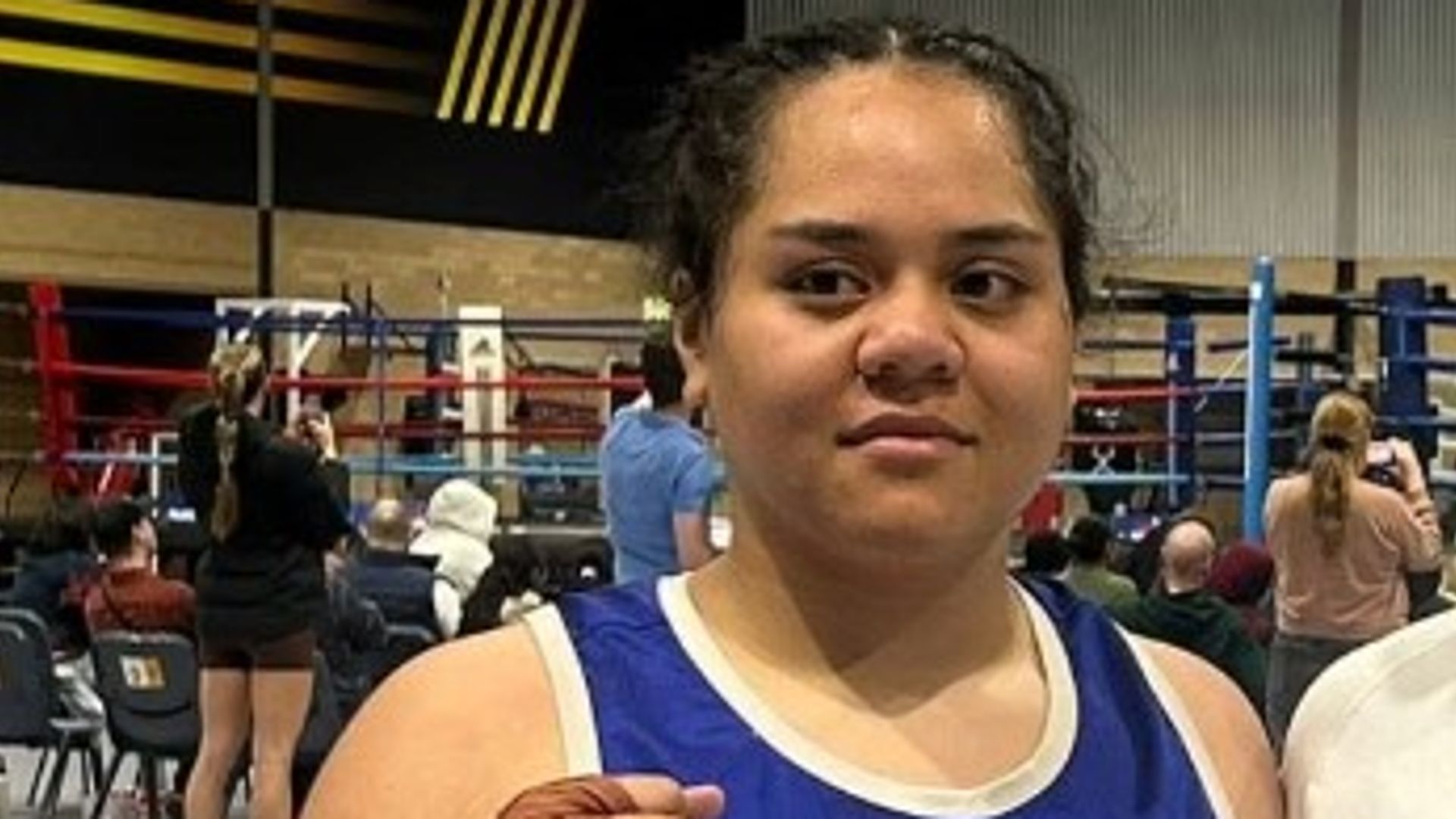
While some might question the legitimacy of winning a medal without fighting, this achievement underscores the unpredictable nature of tournament-style competitions. It also highlights the symbolic importance of representation and perseverance for small nations competing against sporting powerhouses.
The Significance of Tuvalu’s Commonwealth Medal
This milestone carries profound meaning beyond just the medal count. For Tuvalu, a country often overshadowed on the global stage, Ana Taupua’s accomplishment signals a new chapter in its athletic ambitions. It brings hope and inspiration to young athletes in the Pacific region who face similar challenges in accessing high-level training and competitions.
The Commonwealth Games serve as a critical platform for emerging athletes from smaller nations to showcase their talents. Tuvalu’s presence and success, even under unconventional circumstances, amplify the message that determination and opportunity can lead to historic moments.
Moreover, this medal may encourage increased investment in sports development back in Tuvalu. With greater support, athletes like Taupua could train more rigorously and compete more frequently, improving their chances of outright victories in future international events.
What’s Next for Ana Taupua and Tuvalu Boxing?
Looking ahead, Ana Taupua’s achievement will likely motivate her and other Tuvaluan athletes to push boundaries despite limited resources. For Taupua, this bronze medal is a springboard, not a final destination. With enhanced training and exposure, she could become a formidable contender in upcoming tournaments.
Tuvalu’s sporting authorities may capitalize on this breakthrough to expand their programs, attract sponsorships, and foster talent development. This moment may also draw global attention to the challenges faced by Pacific island nations in competitive sports, potentially sparking collaborations and support initiatives.
While the manner of the medal win is unconventional, the impact is undeniably positive. Ana Taupua’s success story is a testament to resilience and the spirit of competition—the very essence of the Commonwealth Games.
Why This Moment Matters
In the broader context, this event challenges traditional views on athletic success. It prompts a discussion about the structures of international sports competitions and how they can be more inclusive and supportive of athletes from underrepresented countries.
Tuvalu’s first Commonwealth Games medal, earned without a fight, symbolizes more than just a podium finish—it embodies hope, representation, and the potential for growth in global sports diversity.
As Ana Taupua’s journey continues, her story will inspire not only her home country but also the international community to recognize and nurture talent regardless of origin or scale.