

Tragedy struck a scenic Scottish loch when two individuals lost their lives during a diving expedition. The incident has sent shockwaves through the local community and raised urgent questions about diving safety in the region.
What Happened During the Diving Trip?
The fatal event occurred during a routine diving trip to one of Scotland’s many freshwater lochs, known for attracting diving enthusiasts seeking adventure beneath its waters. While details remain limited, emergency services responded swiftly after reports of distress surfaced.
Despite rapid intervention, rescuers were unable to save the two divers, whose identities have not yet been disclosed pending family notification. Authorities are currently investigating the circumstances surrounding the deaths, including the dive conditions and equipment used.
Understanding the Risks of Loch Diving
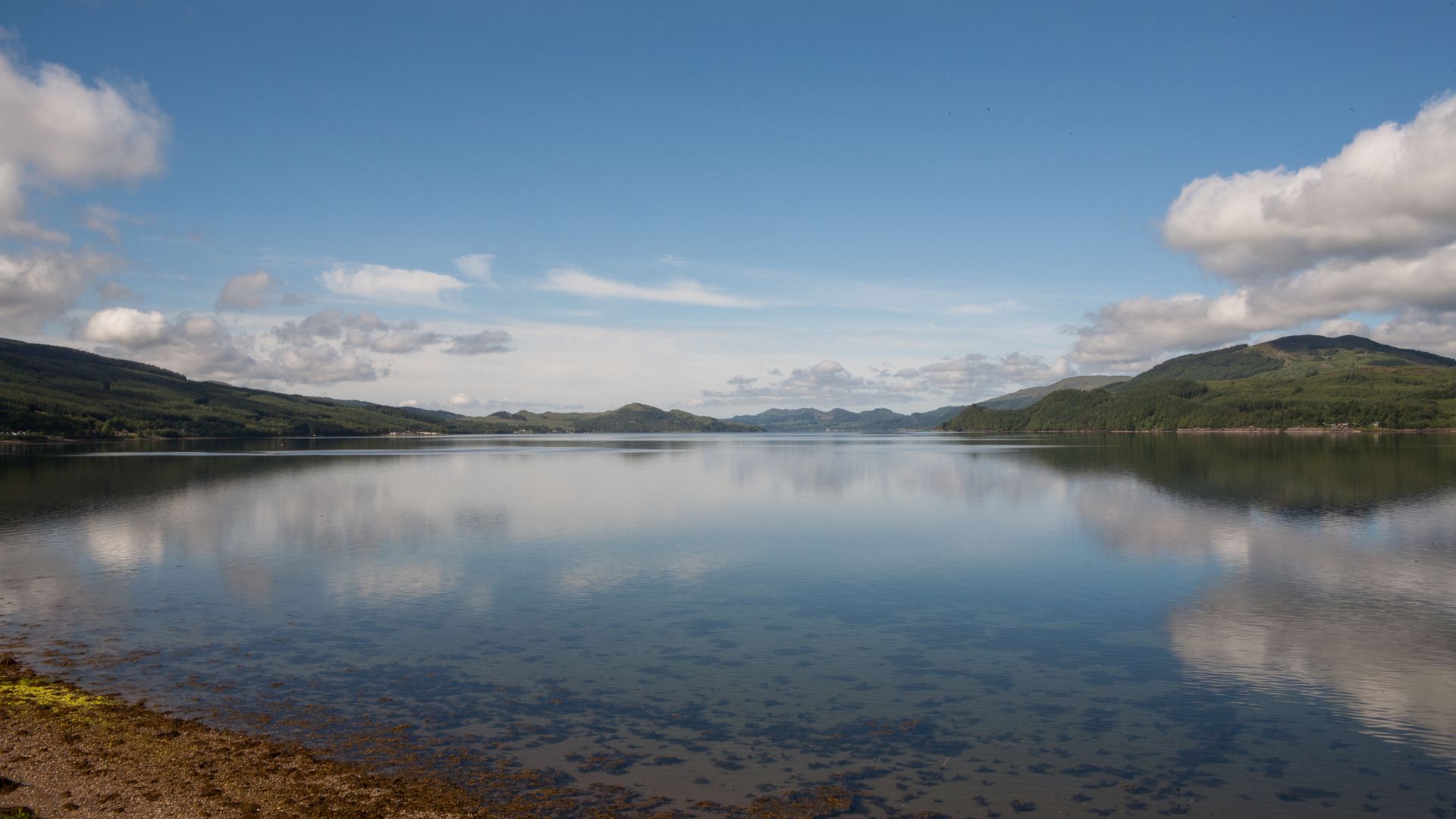
Diving in Scottish lochs presents unique challenges compared to ocean diving. Freshwater environments can be colder and murkier, with unpredictable currents and submerged obstacles. These factors demand rigorous preparation, specialized training, and adherence to safety protocols.
Lochs often have limited visibility, which can disorient even experienced divers. The cold temperatures increase the risk of hypothermia and can affect a diver’s physical and cognitive responses underwater. Furthermore, sudden pressure changes and underwater terrain pose additional hazards that require careful navigation.
In recent years, awareness of these risks has grown within Scotland’s diving community, leading to improved guidelines and safety measures. However, incidents like this underline that even with precautions, the activity carries inherent dangers.
Impact on Local Community and Diving Regulations
The loss of two lives has deeply affected families, friends, and local residents who cherish the natural beauty and recreational opportunities of the loch. Community leaders have expressed condolences while emphasizing the importance of safety and vigilance during outdoor activities.
Authorities are expected to review current diving regulations and safety enforcement in response to the tragedy. This may include stricter oversight of diving excursions, enhanced training requirements, and increased public education on the risks of freshwater diving.
Diving organizations in Scotland may also collaborate more closely with emergency services to develop rapid response strategies for future incidents, aiming to prevent similar losses.
What This Means for Divers and Outdoor Enthusiasts
This somber event serves as a stark reminder of the hazards associated with underwater exploration, particularly in challenging environments like Scottish lochs. Divers are urged to undertake comprehensive training, conduct thorough equipment checks, and dive with experienced partners.
Outdoor enthusiasts should remain aware of the unpredictable nature of natural bodies of water and prepare accordingly. Staying informed about weather conditions, water temperature, and local safety advisories is essential for minimizing risks.
Ultimately, this tragedy highlights the delicate balance between adventure and safety. As investigations continue, the diving community and regulators will likely seek ways to enhance protections, ensuring that Scotland’s lochs remain both accessible and secure for future generations.
Full details about the incident and subsequent investigations have not yet been released.