

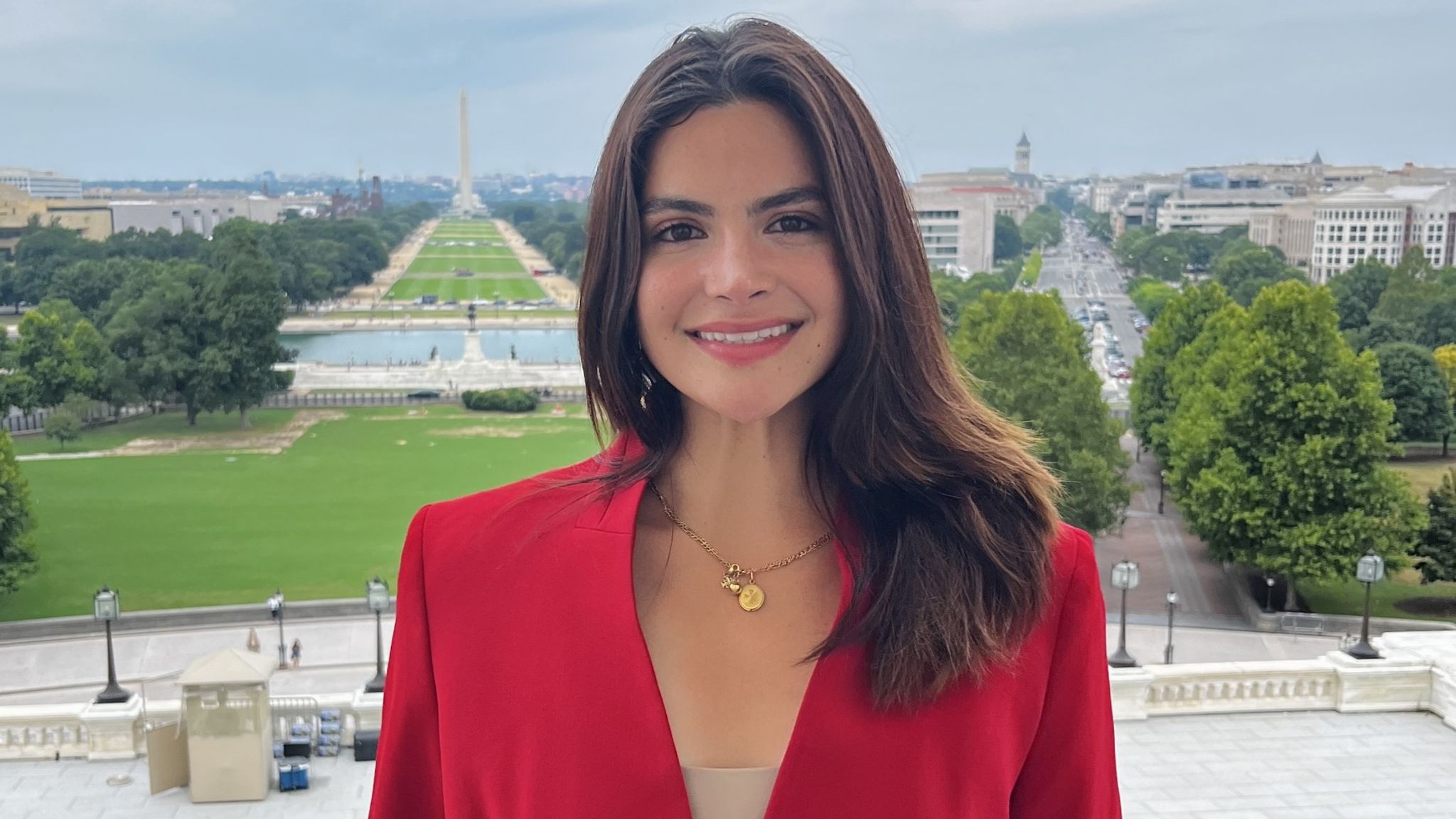
The UK government has taken decisive action by banning Valentina Gomez, a US-based anti-Islam influencer, from entering the country ahead of a highly controversial rally in London next month. The move underscores the government’s commitment to curbing extremism and hate speech on British soil.
What Happened: The Ban on Valentina Gomez
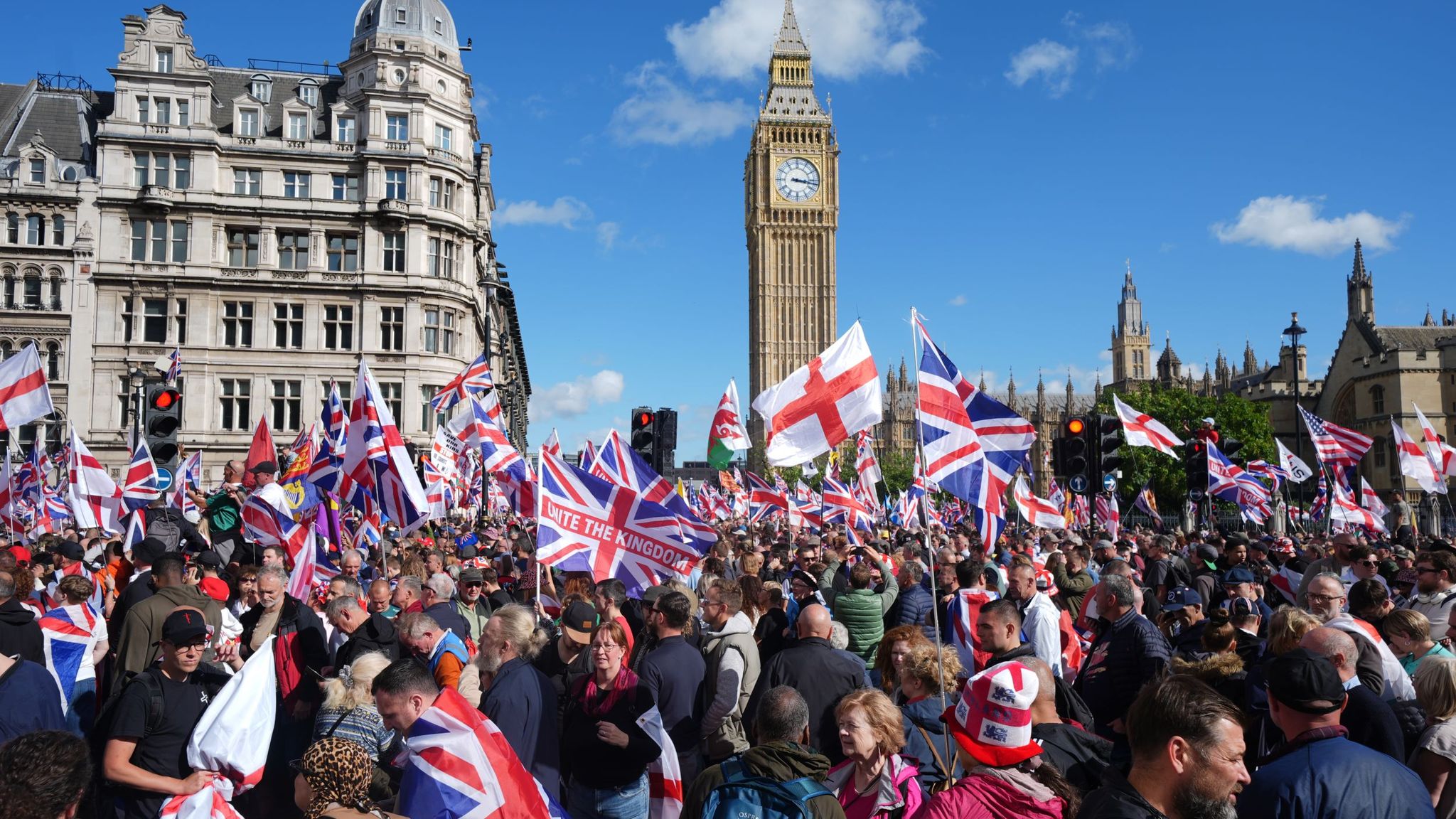
Valentina Gomez had planned to speak at the Unite the Kingdom rally scheduled for 16 May. This event is organised by far-right activist Tommy Robinson, known for his polarising views. Gomez had publicly announced on social media platform X (formerly Twitter) that her UK electronic travel authorisation (ETA) had been approved, signaling her intention to attend.
However, the UK government reversed course following significant public backlash, including pressure from Members of Parliament and various campaign groups. Officials determined that Gomez’s presence in the UK would “not be conducive to the public good,” the standard legal criterion for denying entry to foreign nationals.
This rationale mirrors the government’s recent decision to block rapper Kanye West from entering the UK for the Wireless festival, due to his history of antisemitic remarks. Like West, Gomez’s extremist rhetoric was deemed harmful enough to warrant exclusion.
Who Is Valentina Gomez and Why Was She Banned?
Valentina Gomez is a 26-year-old Christian influencer notorious for her vehement anti-Islam messages. She has used social media platforms to spread inflammatory content, including a widely shared video of herself burning a Quran with a flamethrower. At a previous Unite the Kingdom rally in September, where up to 150,000 people attended, Gomez made incendiary statements warning that “rapist Muslims” would “rape your women” and “behead your sons” if they gained power.
Her rhetoric has alarmed numerous groups, including the Muslim Council of Britain (MCB), which formally expressed concerns to Home Secretary Shabana Mahmood. The MCB warned that permitting Gomez entry could undermine public safety and exacerbate tensions on Britain’s streets.
After the ban was announced, Gomez defiantly tweeted, “I’m coming to England on a boat. They can try to ban me, but they cannot ban the TRUTH. See you May 16th.” She also posted a video in which she racially attacked Home Secretary Mahmood, falsely claiming her ban was “because I’m not coming to rape or kill little girls.”
Why the UK Government Is Taking a Stand Against Extremism
The UK Home Office holds the authority to deny entry to foreign nationals if their presence is deemed harmful to the public good—a broad criterion that includes threats to national security, extremism, and hate speech. The government’s guidelines emphasize that while freedom of expression is protected, it does not extend to content that promotes hatred or incites violence.
In Gomez’s case, officials concluded that her extreme anti-Islam views and history of incendiary comments posed a serious risk to public order and community cohesion. This decision aligns with broader efforts by the UK government to limit the spread of extremist ideologies, especially those that foster division and hatred.
The Muslim Council of Britain welcomed the ban, stating, “People who propagate hate speech and division should not be given free entry to the United Kingdom. This decision is the right course of action by the UK government and should set a precedent for others who choose to promote disinformation and hatred.”
Meanwhile, the controversy surrounding the Unite the Kingdom rally has led to wider repercussions. For example, homelessness charity Centrepoint severed ties with media personality Sharon Osbourne after she publicly supported the upcoming event.
What This Means: A Firm Message Against Hate and Extremism
The UK government’s refusal to admit Valentina Gomez sends a clear signal that inflammatory rhetoric and extremist viewpoints will not be tolerated, especially when they threaten social harmony and public safety. This action not only curtails the reach of divisive figures but also reflects a growing determination to hold individuals accountable for hate speech, regardless of their nationality.
As far-right groups continue to organise rallies and spread polarising messages, the government faces the ongoing challenge of balancing free expression with safeguarding communities from hate-driven violence. Banning high-profile extremist voices like Gomez’s represents a proactive measure designed to prevent escalation and maintain public order.
With tensions running high and upcoming events like the Unite the Kingdom rally drawing attention, the UK’s stance may serve as a benchmark for future decisions involving potentially dangerous influencers and activists.