

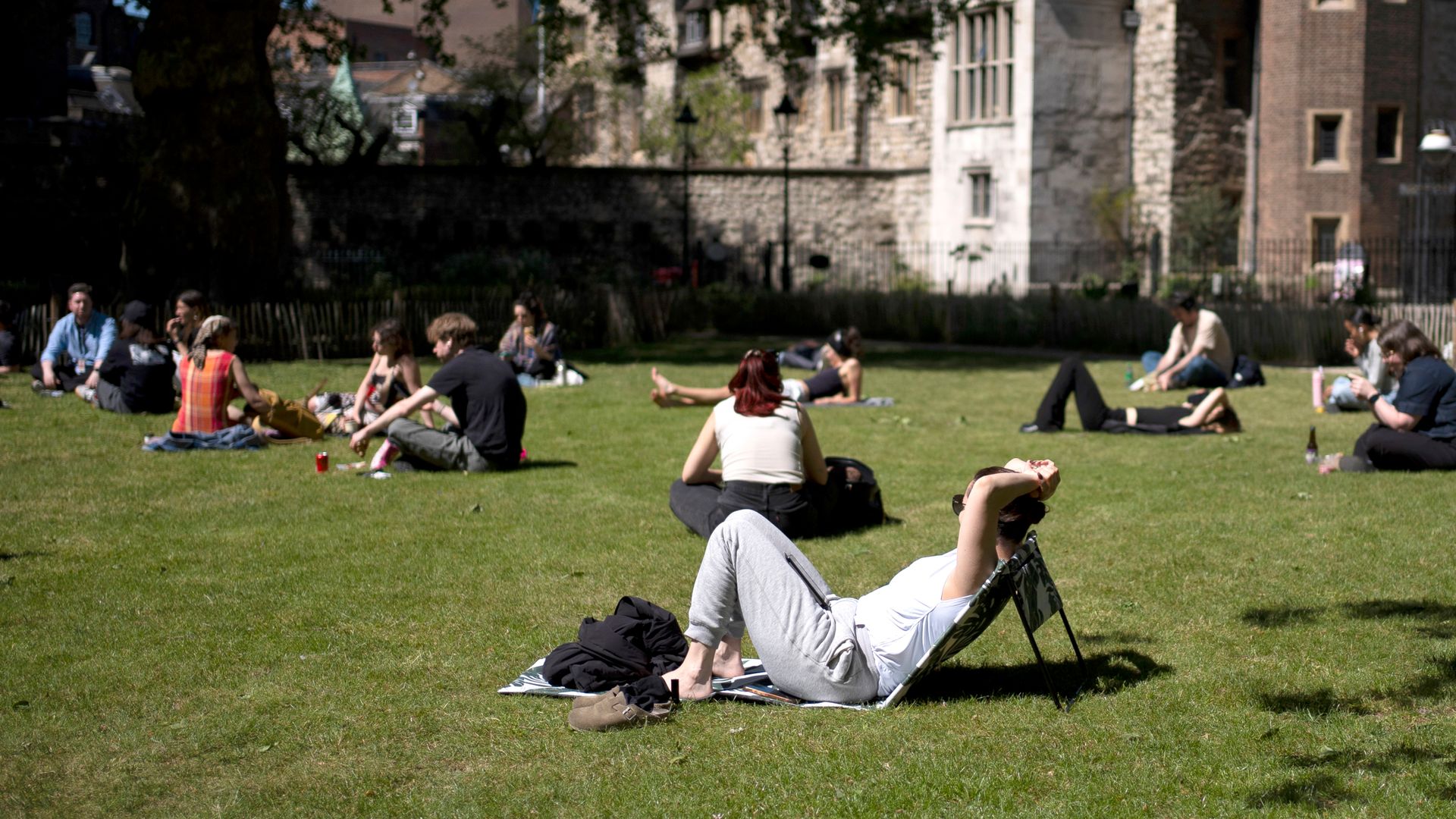
The United Kingdom is gearing up for its hottest day of the year so far, with forecasts predicting temperatures will climb to a sweltering 28°C (82.4°F) in several regions this Friday. This surge in heat marks a significant shift from the typically mild British spring and early summer weather, drawing attention to the growing impact of seasonal temperature spikes.
What to Expect as Temperatures Peak
Meteorologists warn that parts of southern and central England will experience the highest temperatures recorded in 2024, with 28°C expected to push local residents and visitors to seek shade and hydration. The warm weather will contrast sharply with cooler conditions earlier in the week, highlighting the volatility of the UK’s climate this season.
Outdoor activities and events planned for Friday are likely to see increased attendance, but health officials advise caution, particularly for vulnerable groups such as the elderly, young children, and those with respiratory conditions. Experts emphasize the importance of staying hydrated and avoiding prolonged sun exposure during peak afternoon hours.
Why This Heatwave Matters
The predicted temperature surge is part of a broader pattern of increasingly frequent and intense heat spells across the UK. Although 28°C may seem moderate compared to heatwaves in southern Europe, it represents a considerable departure from the UK’s average temperatures for this time of year, which typically linger in the high teens Celsius.
These rising temperatures have wide-ranging implications. Urban areas, with their concentration of buildings and limited green space, often experience amplified heat effects—a phenomenon known as the “urban heat island.” This can strain local infrastructure, increase energy demands for cooling, and exacerbate health risks.
Moreover, the early onset of such warm weather can disrupt agriculture by altering growing seasons and stressing crops. It also raises concerns about water resource management, as higher temperatures drive up consumption and evaporation rates, compounding challenges already posed by recent dry spells in parts of the UK.
Preparing for Future Weather Extremes
As the UK faces more frequent hot days, public services and policymakers are increasingly focused on climate resilience. Cities are investing in green infrastructure, such as parks and tree planting, to mitigate urban heat effects. Additionally, health services are enhancing their readiness to respond to heat-related illnesses during peak periods.
For individuals, adapting to these shifts involves practical measures: using sunscreen, wearing light clothing, and planning outdoor activities for cooler parts of the day. Employers and schools are also encouraged to consider flexible arrangements during heatwaves to protect workers and students.
While this Friday’s forecast highlights the immediate impact of rising temperatures, it also serves as a reminder of the UK’s vulnerability to climate change. Sustained efforts on emission reductions and environmental sustainability remain critical to managing future extremes.
Looking Ahead
With the hottest day of 2024 on the horizon, the UK is experiencing a vivid example of how climate patterns are evolving. This warm spell challenges residents and authorities alike to respond swiftly and effectively to protect health, infrastructure, and the environment.
As the summer progresses, continued monitoring and preparedness will be essential. Understanding these temperature trends not only helps in managing immediate risks but also underscores the urgency of broader strategies to build a climate-resilient future for the UK.