

The UK government is evaluating the introduction of no-fly zones over vital energy infrastructure as concerns escalate about hostile drones potentially triggering widespread power outages. This emerging security risk highlights the vulnerability of the nation’s electricity grid to airborne attacks and the urgent need for enhanced protective measures.
Escalating Threat of Hostile Drones to Energy Infrastructure
Drones have rapidly become a tool for both surveillance and sabotage, posing a novel threat to critical national infrastructure. In the UK, energy facilities such as power plants, substations, and transmission hubs are increasingly seen as attractive targets for hostile drone incursions. These unmanned aerial vehicles (UAVs), operated remotely or autonomously, can disrupt operations, damage equipment, or even cause cascading power failures across large regions.
The concern is not hypothetical. Globally, drones have been used in attacks against energy grids, underscoring their potential to inflict serious harm. Their ability to fly close to sensitive installations while evading traditional security measures makes them particularly dangerous. The UK’s energy network, which supports millions of homes and businesses, relies on uninterrupted power supply. A successful drone attack could precipitate mass blackouts, crippling essential services and impacting national security.
Potential Introduction of No-Fly Zones Over Critical Sites
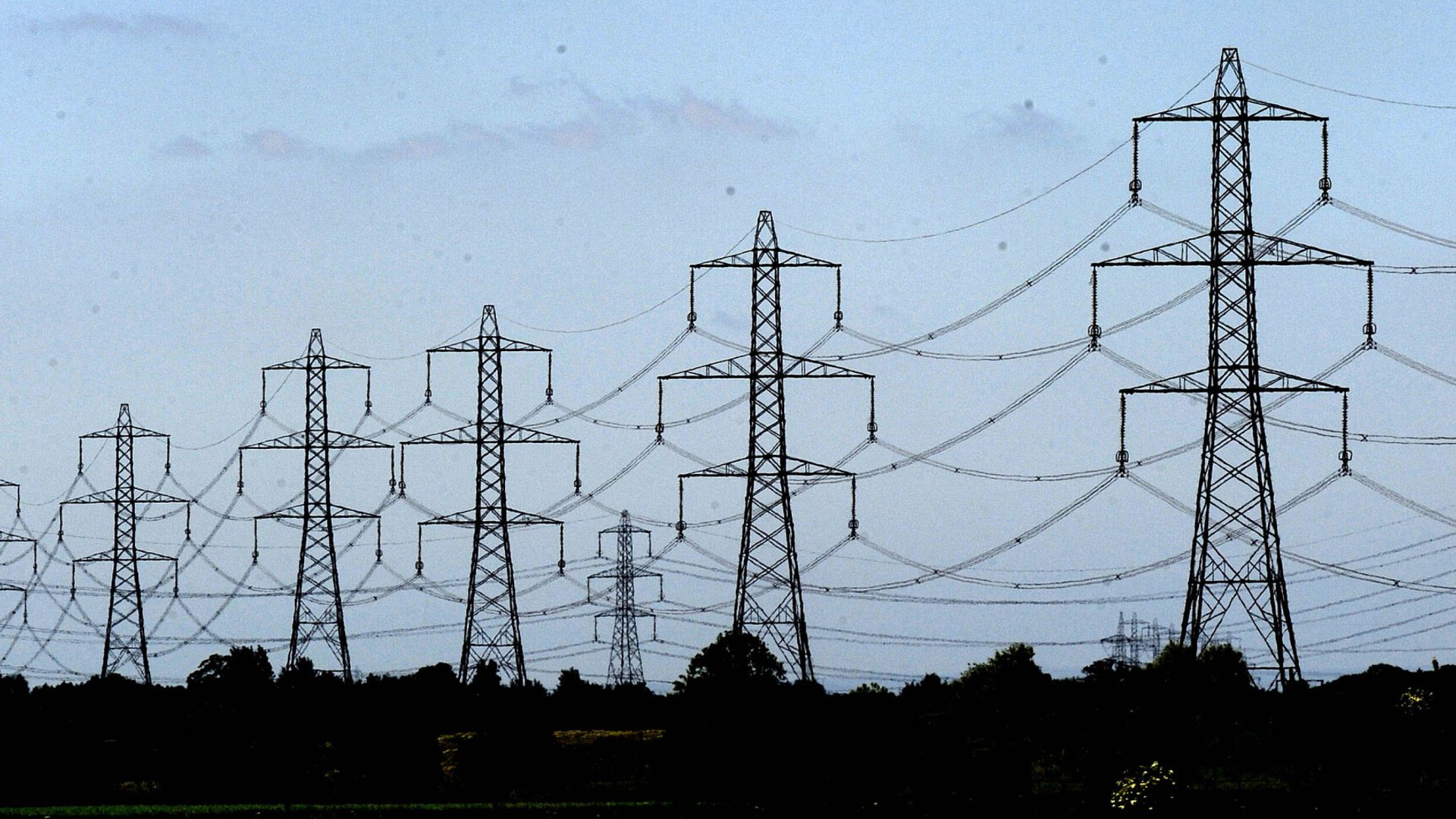
In response to these alarming risks, government officials are considering designating airspace above critical energy infrastructure as no-fly zones. Such zones would legally prohibit unauthorized drone flights in these sensitive areas, providing a regulatory framework to deter and penalize hostile drone activity.
Implementing no-fly zones involves coordination between multiple agencies, including the Civil Aviation Authority (CAA), the Ministry of Defence (MOD), and energy sector operators. This approach would complement existing physical and cybersecurity defenses by adding an aerial security layer. Surveillance systems, radar, and anti-drone technologies could monitor and intercept drones breaching these zones, minimizing the risk of sabotage.
While no-fly zones could significantly reduce drone-related threats, challenges persist. Enforcement requires robust detection capabilities to identify small UAVs quickly. Additionally, balancing security with legitimate drone usage for commercial and recreational purposes demands precise regulations and public awareness efforts.
Why Protecting Energy Infrastructure Matters
The UK’s power grid forms the backbone of modern society. Critical services, from hospitals and emergency responders to transportation and communication networks, depend on stable electricity. Disruptions caused by hostile drones could lead to severe consequences beyond mere inconvenience, including threats to public safety and economic stability.
Moreover, as the UK accelerates its transition to renewable energy and smart grid technologies, the complexity and interdependence of the energy system increase. This evolution, while beneficial for sustainability, may also introduce new vulnerabilities exploitable by drone attacks.
Protecting energy infrastructure is thus a national security imperative. Establishing no-fly zones reflects a proactive stance to adapt to evolving threats and safeguard the country’s critical assets. It signals the government’s commitment to shielding essential services from emerging risks in an increasingly technology-driven world.
Looking Ahead: Strengthening National Resilience Against Drone Threats
As the UK evaluates no-fly zones over its energy infrastructure, broader efforts to enhance drone security are underway. These include investing in detection technologies, creating rapid response teams, and fostering collaboration between public authorities and private sector operators.
Public awareness campaigns will also play a vital role in educating drone users about legal restrictions and the consequences of violating no-fly zones. The government aims to establish a comprehensive framework balancing innovation, safety, and security.
Ultimately, the move to protect critical energy sites from hostile drones is a crucial step toward ensuring uninterrupted power supply and national resilience. While details of the no-fly zone implementation remain under discussion, the urgency of addressing drone threats to energy infrastructure is clear. Vigilance and adaptation will be key to defending the UK’s power grid from emerging aerial dangers.