

A sweeping new report exposes the brutal reality faced by the UK’s healthcare system during the COVID-19 pandemic, revealing critical shortcomings and heroic struggles inside overwhelmed hospitals. Spanning 400 pages, this inquiry delves into how prepared the NHS was for the global health emergency, the harrowing conditions on the front lines, and the consequences for both COVID and non-COVID patients.
What the Report Unveils: A System Under Siege
The report draws on testimonies from 97 witnesses who appeared before the UK COVID-19 public inquiry between September and November last year. Their accounts paint a vivid picture of a healthcare system stretched to breaking point amid a rapidly evolving crisis.
Several senior health leaders broke down while recounting the devastating scenes they witnessed. One senior medic described intensive care wards as “hell,” where staff ran out of body bags and faced an unrelenting influx of critically ill patients, “raining from the sky.”
Professor Kevin Fong, former national clinical adviser for emergency preparedness at NHS England, described the scale of death in ICUs as “truly astounding.” He recounted visiting a hospital teetering on the brink of collapse under the weight of COVID cases.
Dame Ruth May, former chief nursing officer for England, revealed that the NHS entered the pandemic with a shortfall of 40,000 nurses. This staffing deficit severely compromised the quality of care as patient numbers surged.
Under normal circumstances, critical care nurses provide one-to-one attention to patients. However, during the peak of the crisis, nurses were forced to care for up to six patients simultaneously—a drastic shift that underscored the system’s strain.
Challenges in Patient Care, PPE, and Public Messaging
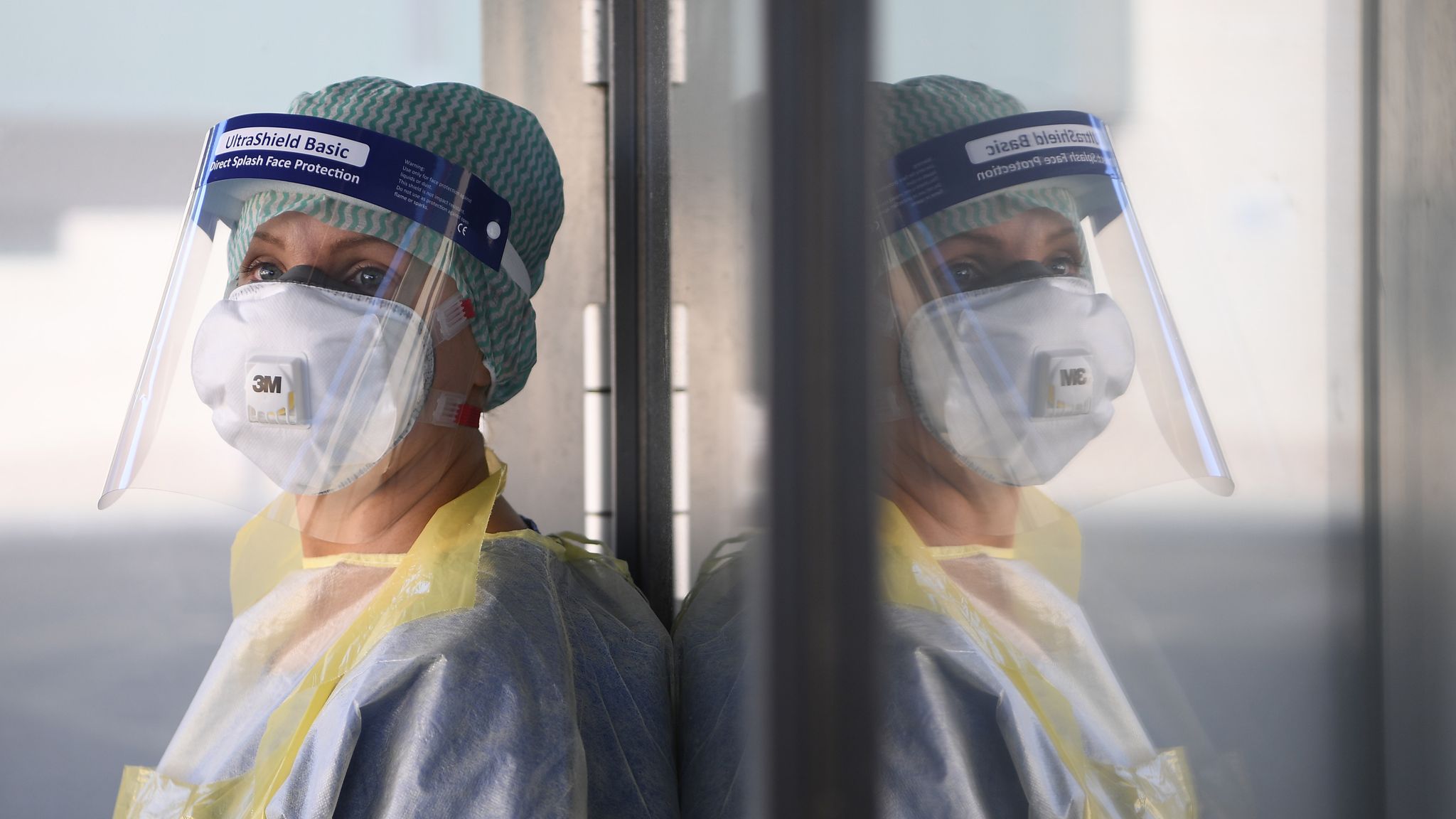
The inquiry also examined the impact of strict patient visiting restrictions, infection control measures, and the availability of personal protective equipment (PPE). Former Health Secretary Matt Hancock revealed that hospitals were mere hours away from running out of key PPE supplies in the pandemic’s early months.
Hancock admitted to “reluctantly” approving the suspension of non-urgent planned care to prioritize hospital capacity for COVID and emergency cases. This pause in elective treatments created growing waiting lists and left thousands of non-COVID patients waiting or unable to access needed care.
While the government’s public health slogan—“Stay At Home, Protect The NHS, Save Lives”—aimed to reduce pressure on hospitals, England’s Chief Medical Officer, Professor Sir Chris Whitty, acknowledged a critical communication failure. He conceded that officials “didn’t get it across well enough” that people should still seek hospital care for serious illnesses unrelated to COVID.
As England approached its first lockdown, Whitty warned of an “absolutely catastrophic situation” that demanded urgent action to prevent the NHS from being overwhelmed.
Why This Matters: Lessons for the Future
The inquiry’s findings spotlight the devastating human cost of a system unprepared for a crisis of this magnitude. Critics argue that lockdowns and care restrictions contributed to deaths from treatable non-COVID conditions where patients delayed or lacked access to timely care.
Inquiry chairwoman Baroness Heather Hallett has scrutinized every facet of the NHS response, emphasizing the need for systemic reforms.
COVID-19 Bereaved Families for Justice, a campaign group, stressed that the current meningitis outbreak “underlines why restoring resilience and capacity to our health system is a matter of national urgency.” They warned that the NHS is “less prepared now than it was in 2020 for a major health crisis,” calling on the government to heed this report as a wake-up call.
The group pointedly criticized years of austerity, which left the NHS “dangerously exposed” without the resources to withstand a major shock. They argued that many lives were lost in horrific conditions due to missed opportunities to strengthen the health service before the pandemic.
Looking ahead, Baroness Hallett is expected to urge the government to swiftly implement recommendations from this Module 3 report, alongside earlier findings, to develop a robust blueprint for future pandemic preparedness.
Takeaway: Preparing the NHS for the Next Crisis
This report delivers a stark reminder that the UK’s healthcare system, while heroic in its response, was stretched beyond capacity and exposed significant vulnerabilities. Nurse shortages, PPE scarcities, and mixed public messaging compounded the crisis, impacting patient outcomes across the board.
Restoring NHS resilience and capacity is not just a policy issue—it is a vital safeguard for public health and safety. As infectious threats continue to emerge, the government must act decisively on these inquiry findings to ensure the NHS is equipped to protect lives in the next major health emergency.