The United Kingdom faces its first official drought declarations as two areas in Wales and parts of England grapple with the harsh impacts of an extended dry spell. This unprecedented situation follows a summer marked by severe heatwaves, widespread wildfires, and critically low river levels, underscoring the escalating challenges posed by climate change and water scarcity across the region.
Where the Drought Has Been Declared and Why
The Environment Agency and Natural Resources Wales have confirmed drought status in specific regions after weeks of minimal rainfall and soaring temperatures. In Wales, the drought affects parts of the southeast, including areas around Monmouthshire and Newport, while in England, drought conditions have been declared in sections of East Anglia.
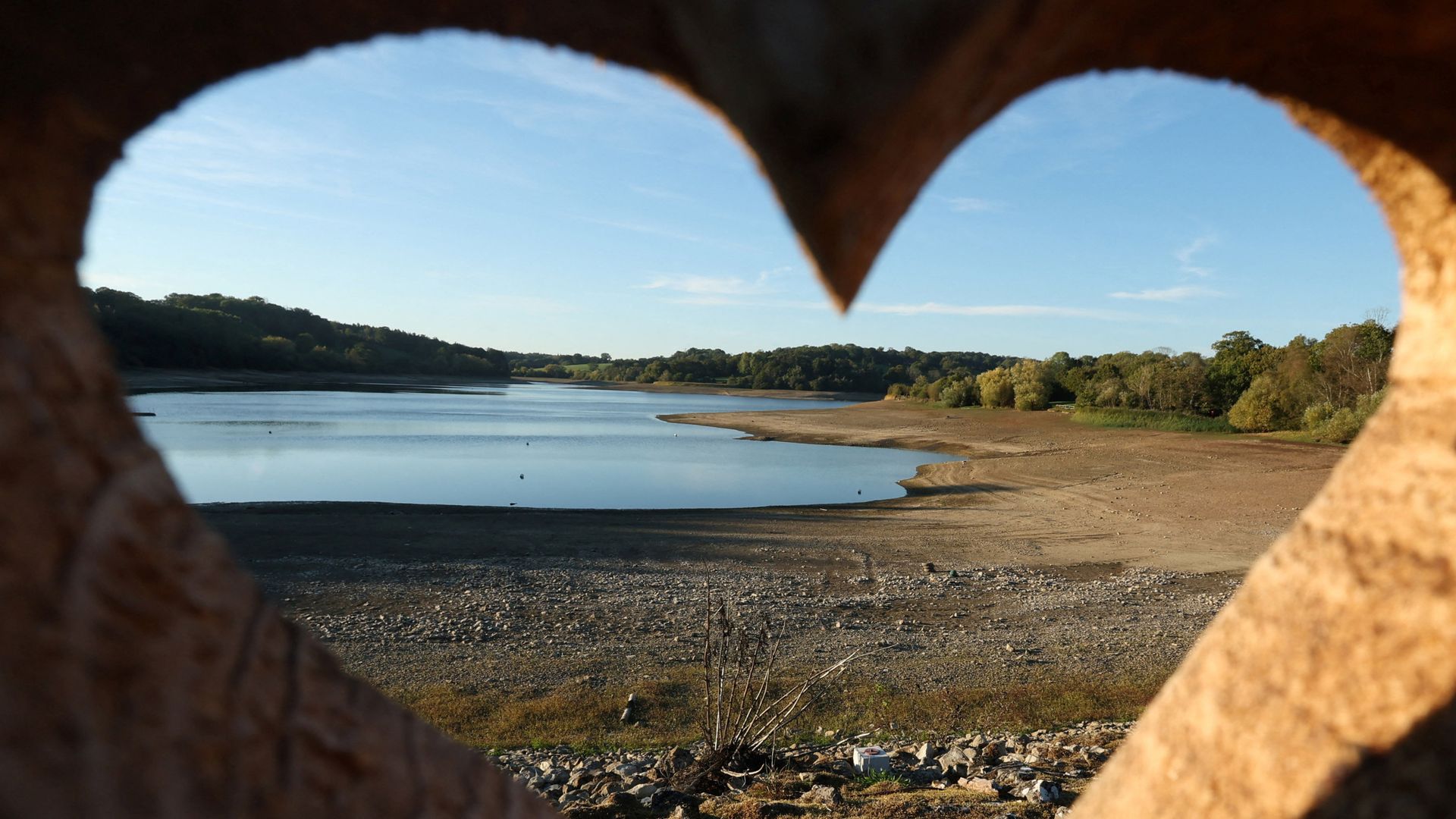
This formal drought declaration comes after extensive monitoring revealed that river flows, soil moisture, and groundwater levels fell below critical thresholds. The dry weather has severely limited water availability for agriculture, households, and ecosystems alike, raising concerns about long-term water security.
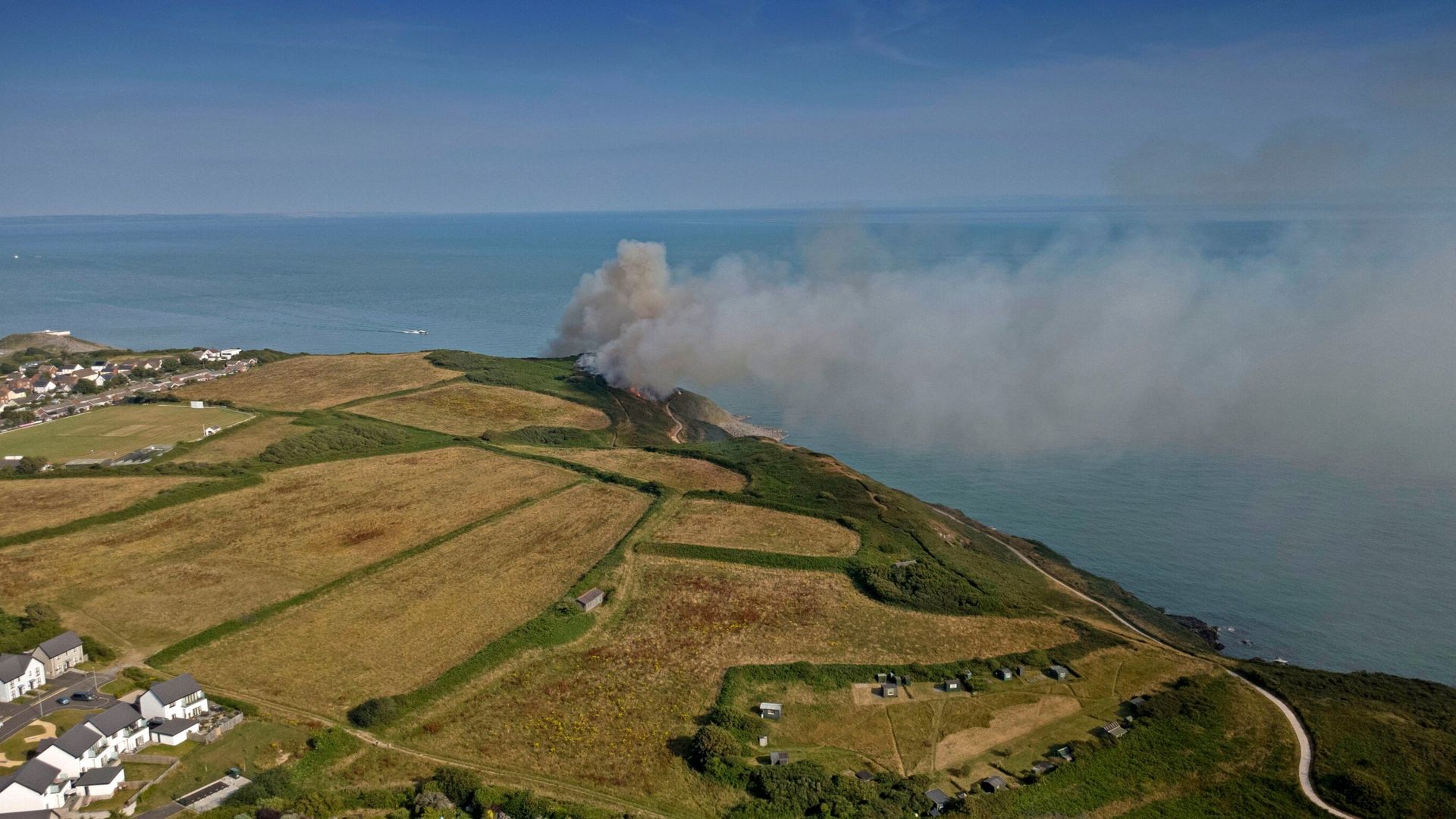
Regions experiencing drought have also contended with an increase in wildfires, fueled by parched landscapes and heatwaves that broke temperature records. Firefighters faced significant challenges controlling blazes that threatened homes, wildlife habitats, and farmland, highlighting the broader environmental risks tied to prolonged dry periods.
Contrasting Weather Trends: Some Areas See Relief
While drought conditions persist in parts of Wales and England, other parts of the UK have recently experienced much-needed rainfall, bringing relief to communities and farmers. Northern and western regions, including parts of Scotland and northwest England, have recorded above-average precipitation, helping to stabilize river flows and replenish reservoirs.
This divergence in weather patterns illustrates the complex nature of the UK’s climate system, where localized droughts can coexist with wetter-than-average conditions elsewhere. Despite these pockets of rainfall, experts warn that the overall pattern of extended dry spells and heatwaves is likely to become more frequent due to climate change.
Why the Drought Declaration Matters
Officially declaring drought status triggers a coordinated response from government agencies, water companies, and local authorities to manage limited water resources efficiently. Measures often include enhanced water use restrictions, public awareness campaigns, and support for farmers facing crop failures or livestock stress.
Moreover, drought declarations influence long-term planning and investment in water infrastructure, such as reservoirs, aquifer recharge projects, and improved water efficiency technologies. These steps are crucial for building resilience against future droughts, which scientists predict will increase in severity and frequency across the UK.
The drought also poses significant ecological risks. Prolonged dry conditions can disrupt freshwater habitats, reduce biodiversity, and stress wildlife populations reliant on stable water supplies. Protecting these ecosystems requires careful management and monitoring during drought periods.
The Road Ahead: Preparing for a Changing Climate
The current drought serves as a stark reminder of the urgent need to adapt to changing climatic conditions. Policymakers and communities must prioritize sustainable water management, including conservation efforts and investment in green infrastructure. Public cooperation in reducing water consumption during drought periods is equally vital.
Experts emphasize that while short-term weather variability will continue, the broader trend points to a hotter, drier future for parts of the UK. Addressing these challenges demands integrated strategies combining science, policy, and community engagement to safeguard water security and environmental health.
As the UK navigates these unprecedented drought conditions, ongoing monitoring and responsive measures will determine how effectively the nation can mitigate impacts and build resilience against future dry spells.