

The United Kingdom has taken the decisive step of officially designating Iran’s Islamic Revolutionary Guard Corps (IRGC) as a terrorist organization. This move comes amid escalating concerns over credible threats to British citizens and residents, marking a significant intensification in the UK’s stance toward Tehran’s powerful military force.
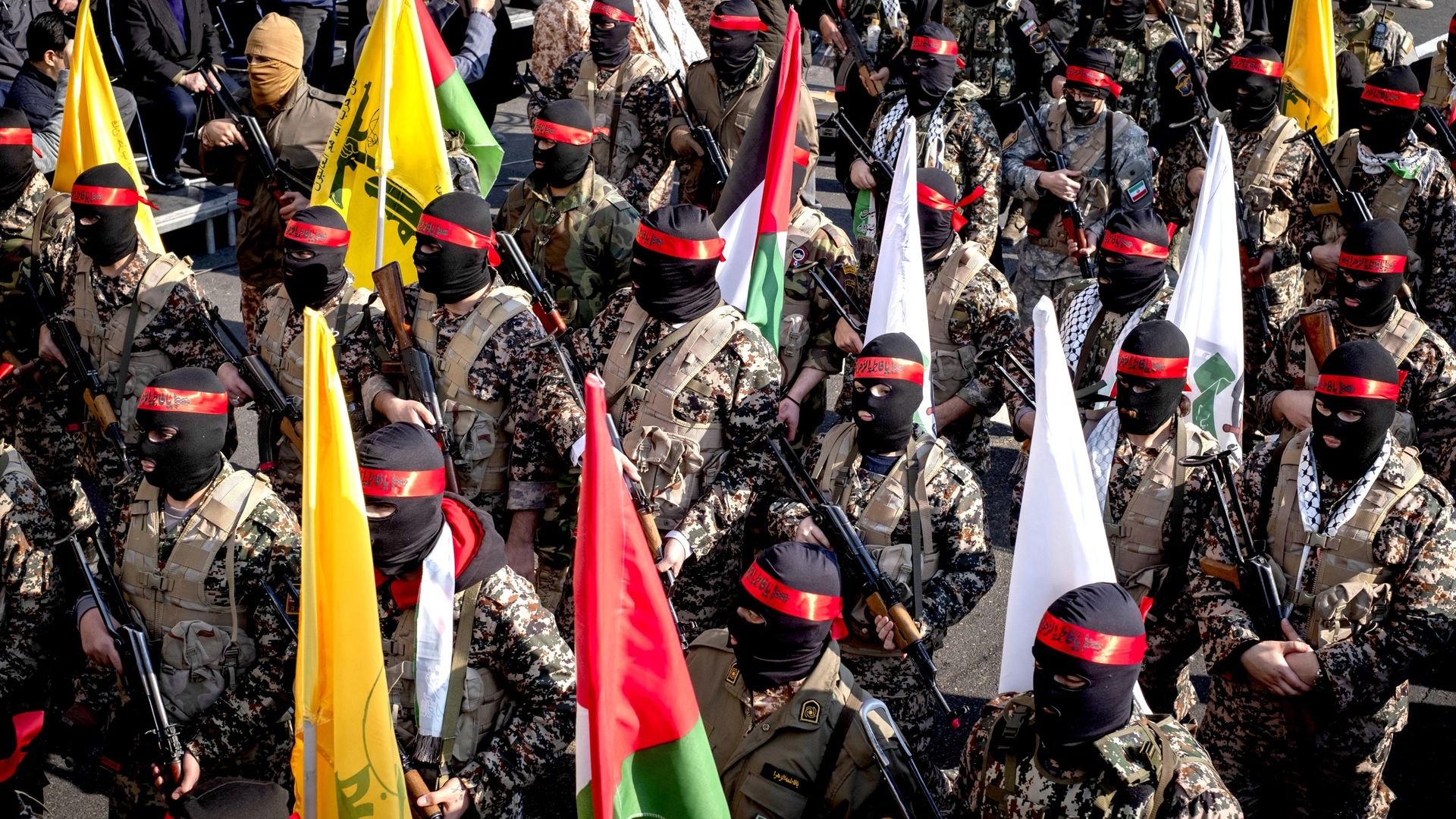
What Led to the UK’s Proscription of the IRGC?
The British government’s decision follows intelligence reports indicating that the IRGC, a branch of Iran’s armed forces known for its extensive influence both within and beyond Iran’s borders, posed direct threats targeting individuals on UK soil. The IRGC has long been associated with covert operations, regional conflicts, and actions viewed by Western governments as destabilizing.
By officially labeling the IRGC as a terrorist entity, the UK joins a limited group of countries, including the United States, that have taken this firm stance against the organization. The IRGC’s activities have repeatedly caused international friction, given its involvement in proxy wars and suppression of dissent within Iran.
Understanding the IRGC’s Role
Established after the 1979 Iranian Revolution, the IRGC operates separately from Iran’s regular military and wields significant political and economic power. It controls elite military units and commands various paramilitary forces, including the Quds Force, which focuses on extraterritorial operations. The UK’s designation reflects mounting concerns about the IRGC’s reach and the threat it poses to national security abroad.
Why This Designation Matters for the UK and International Relations
The proscription of the IRGC sends a clear message that the UK will not tolerate threats or hostile actions from foreign military entities within its borders. This step empowers law enforcement and intelligence agencies with greater authority to monitor, disrupt, and penalize IRGC-linked activities, including financial transactions and recruitment efforts.
Moreover, this move is likely to heighten diplomatic tensions between the UK and Iran. Tehran has consistently condemned such designations, viewing them as provocative actions that undermine diplomatic engagement. The inclusion of the IRGC on the UK’s list of terrorist organizations signals a hardening of policy, reflecting broader concerns about Iran’s regional ambitions and its willingness to exert influence through militant proxies.
Impact on UK-Iran Relations and Security Measures
British authorities are expected to enhance counterterrorism strategies, focusing on protecting British residents, diplomats, and interests from potential IRGC threats. This includes intensified surveillance and stricter controls on entities suspected of having links to the IRGC. The designation also restricts the IRGC’s ability to operate financially within the UK, aiming to cut off resources that fuel its activities.
What Comes Next: The Broader Implications
By proscribing the IRGC, the UK aligns itself more closely with allies who view Iran’s Revolutionary Guards as a destabilizing force. This may encourage further international cooperation to counter IRGC influence globally. It also raises questions about future diplomatic efforts, including negotiation prospects related to Iran’s nuclear program and regional conduct.
For British citizens and residents, this designation could enhance security by enabling more robust preventative measures against any IRGC-linked threats. At the same time, it underscores the complexities the UK faces in balancing security concerns with maintaining channels of dialogue with Iran.
Why This Matters to You
Understanding this development is crucial because it highlights the evolving nature of international security threats and the UK’s proactive approach to protecting its population. The IRGC’s designation as a terrorist group is not merely symbolic—it enables concrete legal actions that can disrupt activities threatening peace and safety in the UK.
As geopolitical tensions continue to shape global affairs, this move serves as a reminder of the intricate challenges governments face in countering influence operations and hostile actions by foreign military organizations.
In summary, the UK’s proscription of Iran’s IRGC marks a pivotal moment in its national security policy, reinforcing its commitment to countering terrorism and safeguarding its citizens against foreign threats.