

The journey of the Hillsborough Law, formally known as the Public Office (Accountability) Bill, has been fraught with setbacks, political pushback, and a significant government reversal. Yet, this landmark legislation is poised to overcome a critical parliamentary hurdle on Tuesday, marking a key step toward its enactment later this year.
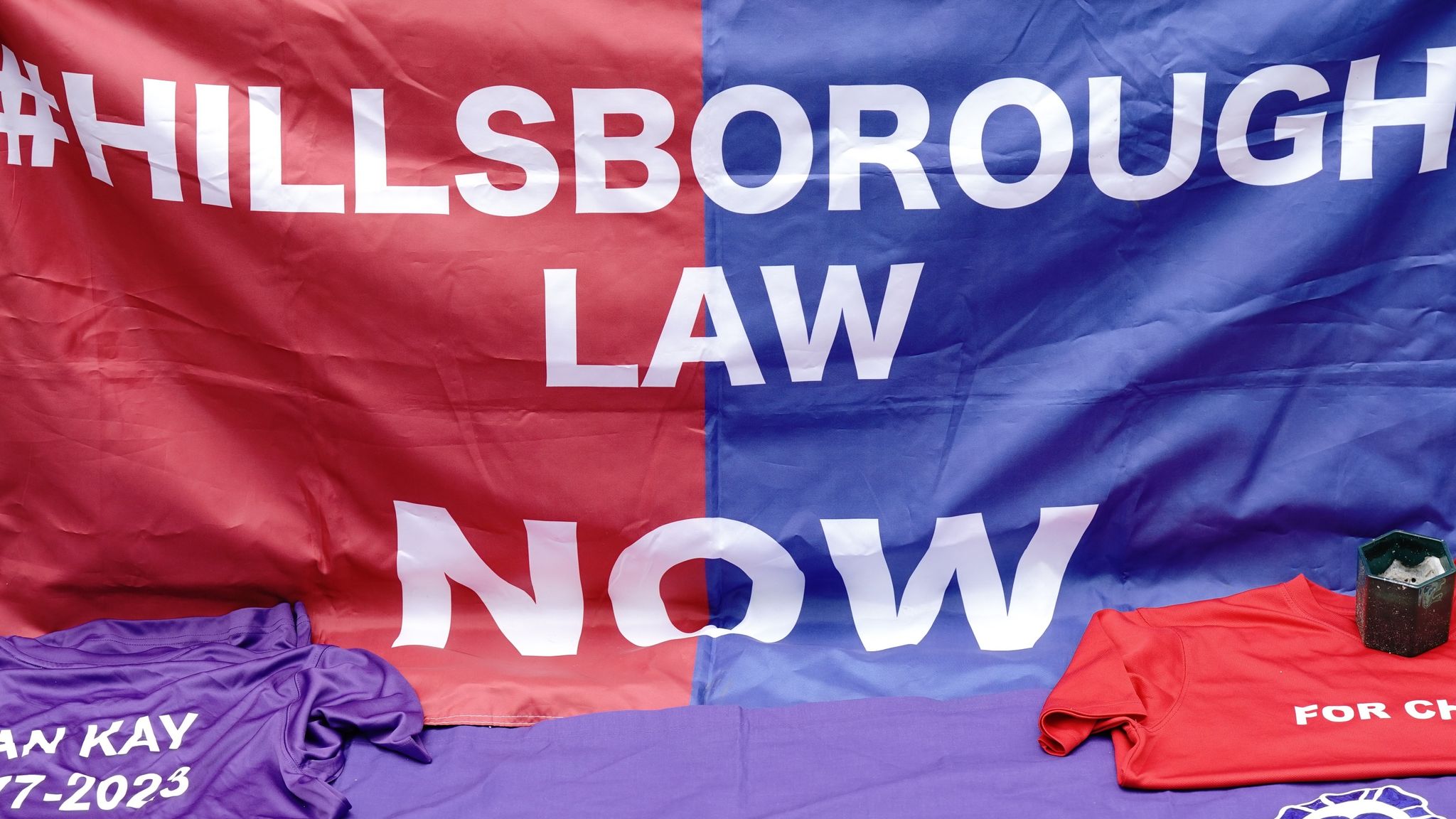
What Is the Hillsborough Law?
The Hillsborough Law seeks to dismantle the entrenched culture of cover-ups and institutional obfuscation that has historically followed major public disasters in the UK. It is named after the tragic Hillsborough disaster of April 15, 1989, when overcrowding during an FA Cup semi-final at Sheffield’s Hillsborough Stadium caused the deaths of 97 Liverpool football fans.

In the immediate aftermath, authorities, particularly the police, disseminated false narratives blaming Liverpool supporters for the tragedy—accusations of hooliganism and drunkenness that were later discredited but caused immense pain to victims’ families. The law aims to prevent such abuses from recurring by imposing rigorous accountability on public officials.
Key provisions of the bill include:
- A new professional and legal duty of candour: Public officials must act with honesty and integrity, or face criminal penalties.
- Expanded legal aid: The bill offers the most substantial legal aid expansion in a decade, providing bereaved families with non-means-tested support during inquests.
- New criminal offence: Officials who deliberately mislead the public may face prosecution under this legislation.
The government has described these reforms as “seismic,” emphasizing their role in ensuring that institutional failures and injustices—like those seen at Hillsborough, the Grenfell Tower fire, and the infected blood scandal—are never repeated. The law also has strong backing from families affected by these tragedies, who have long campaigned for greater transparency and justice.
Why Has the Hillsborough Law Faced Delays and Controversy?
The bill’s origins trace back to 2017 when former Greater Manchester Mayor Andy Burnham first introduced similar legislation. Despite initial enthusiasm, the bill failed to pass at that time. Later, Sir Keir Starmer vowed to revive the law and promised its enactment by the next anniversary of the disaster once his party came to power.
However, in the lead-up to April 15, 2023, the government announced it needed “more time” after consulting with families, delaying the bill’s reintroduction until September 2023. The second reading occurred in November, and a further reading was scheduled for January 14, 2024.
Just one day before this, the government postponed the reading amid strong opposition from Labour MPs. Critics argued that an amendment severely weakened the bill’s “duty of candour” by shielding individuals within the security services from being compelled to testify. Instead, only organisations could be held accountable, which opponents feared would allow intelligence officers to hide behind national security claims.
Leading campaigners, including Burnham, warned this amendment risked perpetuating cover-ups—precisely what the law was designed to prevent.
Government U-Turn and What Comes Next
The bill was again set for a third reading on January 19 but was pulled at the last moment. Shortly thereafter, the government scrapped the contentious amendment altogether, signaling a major policy reversal.
The revised approach ensures that individual current and former intelligence officers will be subject to the duty of candour. These officers must provide information to their agency heads, who will then pass relevant details to public investigators, balancing transparency with national security concerns.
Catherine Atkinson, the victims’ minister, emphasized that there is “no carve out” for security services, stating that the bill includes safeguards to ensure sensitive information is handled appropriately and securely.
A government spokesperson condemned the falsehoods spread after the Hillsborough disaster as a “disgraceful injustice,” affirming that this legislation will “right these wrongs” by shifting the balance of power so the state is accountable to the people it serves.
They added, “After months of hard work and collaboration with families and campaigners, we have crafted a bill ready to return to parliament—one that honors their decades-long fight while protecting national security.”
Why the Hillsborough Law Matters
This legislation represents a fundamental shift in how public officials are held accountable in the UK, especially in the aftermath of tragedies involving loss of life due to institutional failures. By imposing a legal duty of honesty and integrity, and expanding support for victims’ families, the law aims to restore public trust in the state’s handling of crises.
For survivors and bereaved families of Hillsborough, Grenfell, the infected blood scandal, and others, this bill offers a long-awaited pathway to justice—ensuring that cover-ups and misinformation no longer shield wrongdoing.
As the Hillsborough Law moves closer to becoming statute, it sets a precedent for future transparency and accountability, signaling that no institution, including the powerful security services, will be above scrutiny.