

The United Kingdom is preparing to initiate human trials for a cutting-edge vaccine targeting a virulent strain of Ebola currently spreading across the Democratic Republic of Congo (DRC). This marks a critical step in global efforts to curb one of the deadliest viral outbreaks in recent history.
What’s Driving the Urgency Behind This Vaccine Trial?
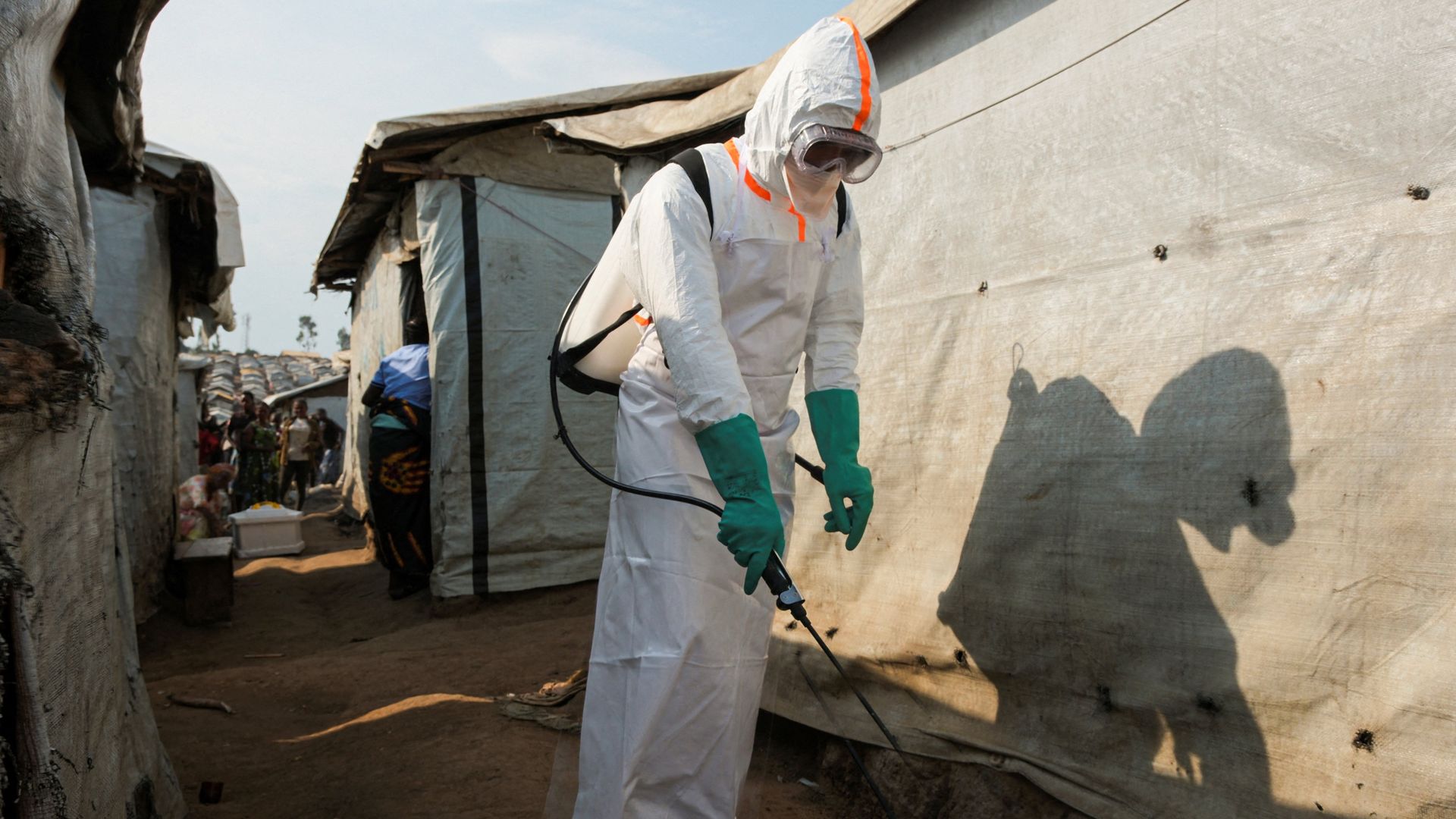
The DRC has faced multiple Ebola outbreaks over the past decade, with the latest strain causing significant concern due to its rapid transmission and high fatality rate. Traditional containment methods have struggled to fully control the virus, highlighting the urgent need for more effective preventative tools.
In response, scientists and health authorities have fast-tracked the development of this new vaccine, designed to provide broader protection against Ebola variants circulating in the region. Testing it on adults in the UK allows researchers to closely monitor safety and immune response under controlled conditions before wider deployment.
This phase of clinical trials is essential to establish the vaccine’s efficacy and identify any potential side effects. The trial will involve healthy adult volunteers who will receive the vaccine under strict medical supervision. Data collected will inform subsequent trial phases and eventual emergency use authorization.
How the Vaccine Trial Will Unfold in the UK
The upcoming trial represents a collaboration between leading UK research institutions and international health organizations focused on infectious disease control. Participants will be carefully screened to ensure they meet health criteria and are at low risk for complications.
Throughout the trial, volunteers will undergo regular health evaluations and blood tests to measure immune markers triggered by the vaccine. Researchers will analyze this data to determine how effectively the vaccine stimulates the body’s defenses against Ebola infection.
Importantly, this trial phase focuses on safety and dosage optimization rather than immediate outbreak intervention. Should the vaccine prove successful in the UK trials, subsequent studies will take place in regions more directly affected by Ebola, including the DRC itself.
Why This Vaccine Trial Matters Globally
Developing a robust vaccine against Ebola is a global health priority. Past outbreaks have caused thousands of deaths and strained healthcare systems, especially in Central Africa. A reliable vaccine would not only save lives but also prevent the social and economic disruptions that accompany widespread Ebola transmission.
The UK’s involvement in advancing this vaccine underscores the interconnected nature of infectious disease threats and the importance of international cooperation. By testing the vaccine on healthy adults in a controlled environment, scientists gain invaluable insights that accelerate the pathway to broader immunization programs.
Moreover, this trial contributes to the growing arsenal of tools combating viral hemorrhagic fevers, which include Ebola, Marburg, and others. Success here could pave the way for similar approaches targeting other high-risk pathogens.
Looking Ahead: The Road to Ebola Control
While this vaccine trial represents a beacon of hope, experts caution that it is just one component of a comprehensive Ebola response strategy. Continued surveillance, rapid diagnosis, community engagement, and effective treatment remain crucial.
The coming months will be pivotal as researchers analyze trial results and prepare for further testing phases. Should the vaccine demonstrate strong safety and efficacy profiles, it could revolutionize how Ebola outbreaks are managed worldwide.
For now, the initiation of human trials in the UK marks a significant milestone in the fight against Ebola—a testament to scientific innovation and global solidarity in confronting emerging infectious diseases.