

The United Kingdom faces a mounting water crisis as authorities reveal several areas with “exceptionally low” reservoir levels following a relentless summer of extreme heat and persistent drought. With temperatures soaring beyond 35°C across much of the country, the impacts of the prolonged dry spell are intensifying, threatening water supplies and sparking widespread environmental concerns.
Severe Heatwaves and Drought Strain Water Resources
This summer marks the UK’s fourth consecutive heatwave, with sweltering conditions pushing temperatures well above seasonal norms. Such intense heatwaves exacerbate evaporation rates, depleting reservoirs that communities and industries depend on for their water needs. Experts warn that the combination of soaring temperatures and scant rainfall has led to critically low water reserves in numerous regions.
The Environment Agency has classified several catchment areas as experiencing “exceptionally low” reservoir levels—an alarming designation signaling the severity of the situation. This classification implies that water storage is significantly below average for this time of year, raising the risk of shortages if dry conditions persist.
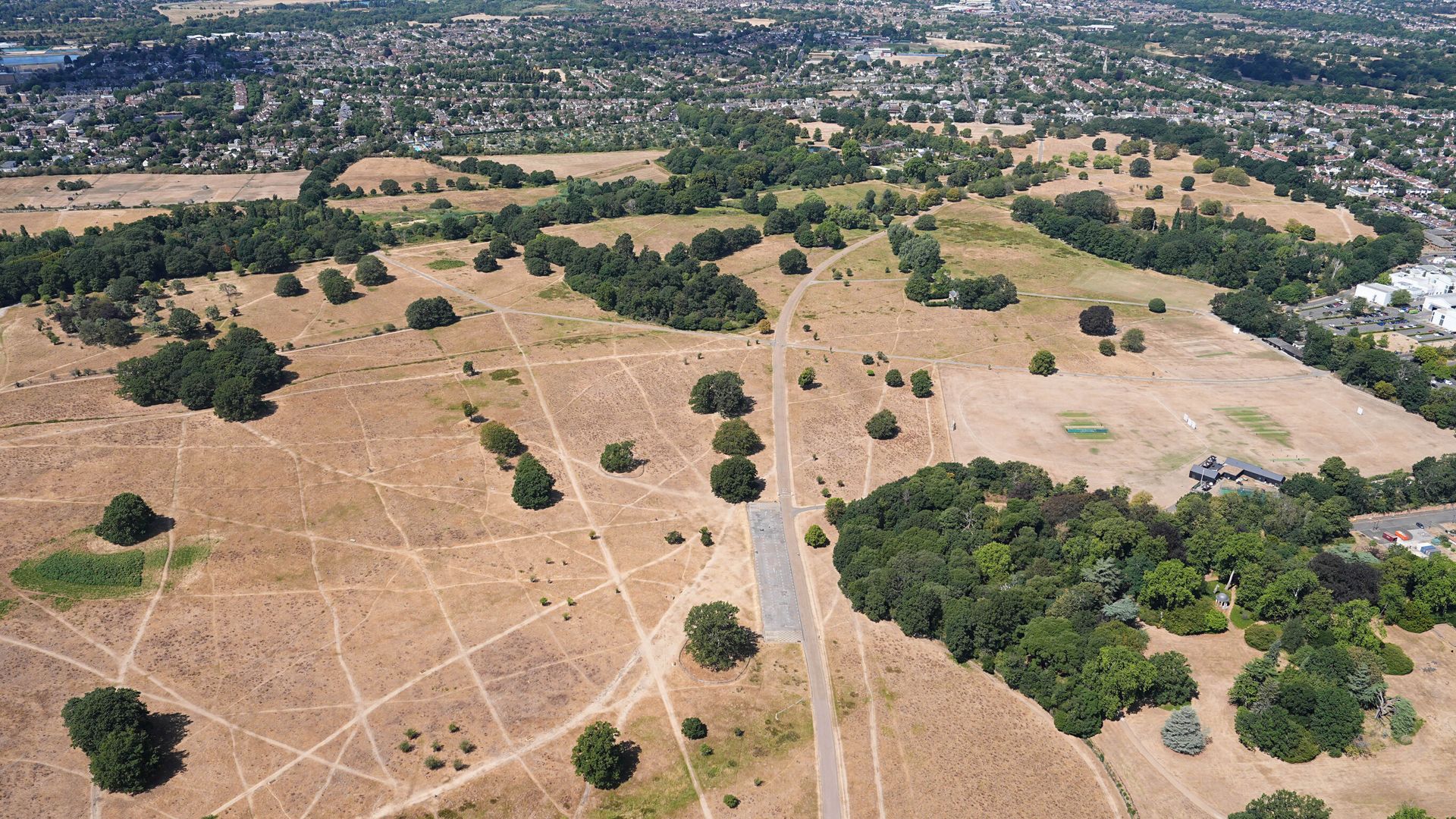
Meanwhile, the parched landscape is visible across the UK, with locations like Richmond Park in London exhibiting dry, brittle grasslands—a stark contrast to typical summer greenery. These environmental stresses also heighten the risk of wildfires, which have already broken out in parts of the country, compounding the challenges faced by emergency services and local communities.
Why Reservoir Levels Matter and Who Is Affected
Reservoirs serve as critical buffers, storing water during wetter periods to supply homes, agriculture, and industry throughout drier spells. When reservoir levels plummet, water companies must implement restrictions or prioritize usage to safeguard essential supplies. This can affect millions of people, particularly in urban centers where demand is highest.
Low reservoir levels also threaten agriculture, as farmers rely on stored water for irrigation to sustain crops. Prolonged shortages could impact food production and increase costs. Additionally, natural ecosystems suffer when water sources dwindle, affecting biodiversity and the health of rivers and wetlands.
Communities in affected areas are urged to conserve water proactively. Simple measures like reducing outdoor watering, fixing leaks, and mindful water use indoors can collectively alleviate pressure on strained resources. Water companies and government agencies continue to monitor the situation closely, ready to impose further restrictions if necessary.
Outlook: Will Dry Conditions Persist Into Autumn?
Forecasters predict that dry weather patterns may continue into the autumn months, prolonging the drought and its associated impacts. The persistence of these conditions will largely depend on forthcoming rainfall, which remains uncertain amid shifting climate patterns.
Climate scientists link the increasing frequency and intensity of heatwaves in the UK to broader global climate change trends. As such, the current water crisis underscores the urgent need for long-term water management strategies, infrastructure improvements, and community resilience planning.
Authorities emphasize the importance of immediate conservation efforts coupled with strategic investments to enhance reservoir capacity and diversify water sources. These measures are vital to mitigating the effects of future droughts and securing water availability for the growing population.
What This Means for the UK
The announcement of “exceptionally low” reservoir levels signals a critical juncture for the UK’s water security. Residents, businesses, and policymakers must recognize the fragility of current water supplies amid a changing climate. This summer’s drought serves as a wake-up call to accelerate adaptation efforts and prioritize sustainable water management.
While full details on specific regional impacts and planned responses are still emerging, the message is clear: conserving water and preparing for ongoing dry conditions are imperative. The coming months will test the resilience of communities and ecosystems alike, highlighting the vital role of coordinated action in navigating this environmental challenge.
In summary, the UK’s battle with extreme heat, drought, and dwindling reservoirs demands urgent attention and collective responsibility to safeguard water resources now and for the future.