

The UK government has confirmed it will expand the use of live facial recognition technology (LFR) nationwide following a court ruling that dismissed a human rights challenge against its deployment. This decision marks a significant step forward for law enforcement agencies aiming to harness biometric surveillance to enhance public safety, despite ongoing concerns about privacy and potential discrimination.
Legal Challenge Against Metropolitan Police’s Use of Facial Recognition
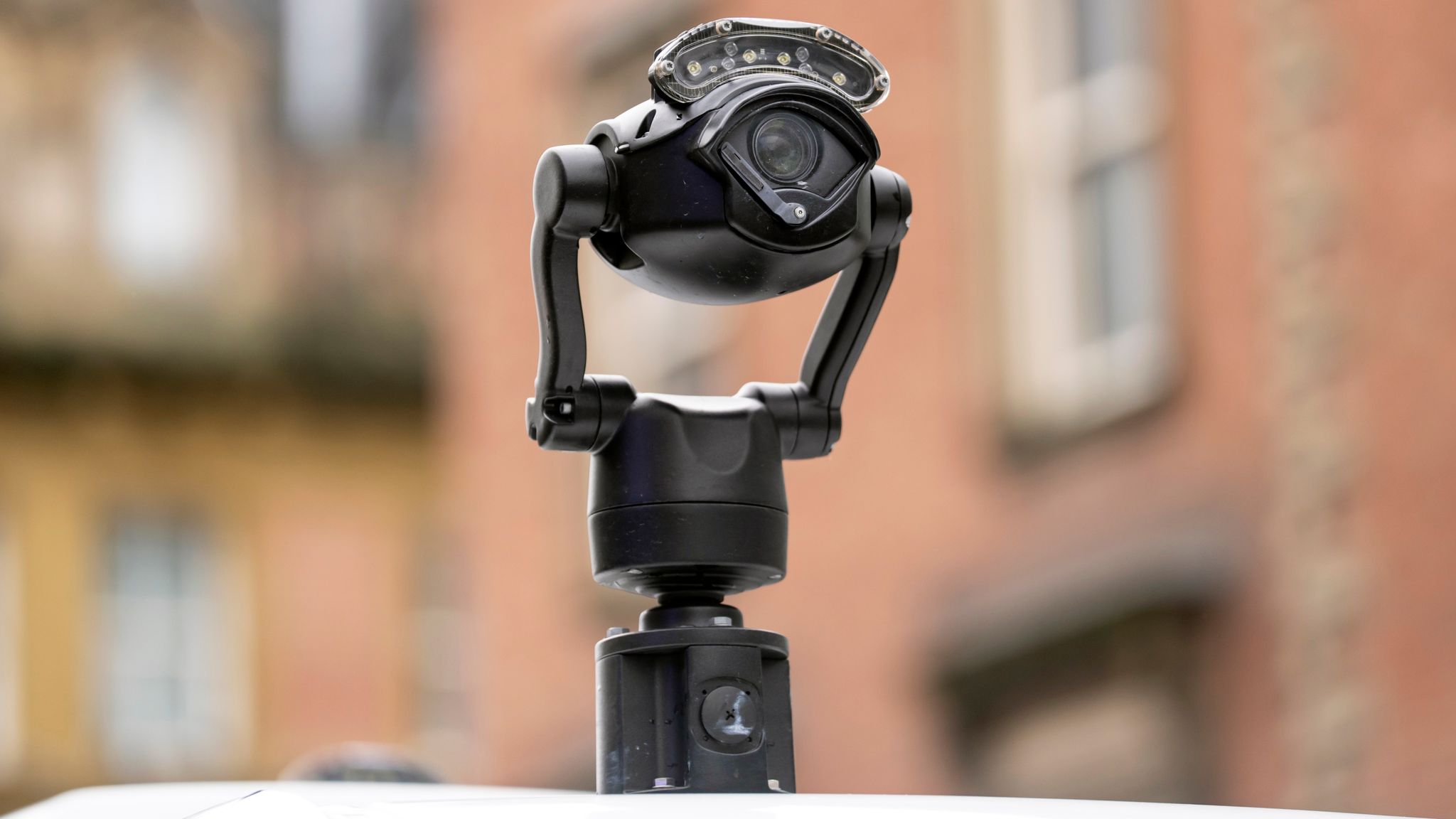
The High Court recently rejected a case brought by two individuals contesting the Metropolitan Police’s use of live facial recognition cameras in London. The technology involves cameras mounted on vans positioned in busy areas, scanning faces of passersby and cross-checking them against police watchlists to identify individuals of interest.
Claimants Shaun Thompson, a youth worker, and Silkie Carlo from civil rights group Big Brother Watch argued that the system’s use was arbitrary, invasive, and prone to racial bias. Thompson reported being misidentified by the technology, leading to his detention and threat of arrest despite presenting valid identification such as bank cards and passport. Their counsel warned the court that widespread use of LFR could render it impossible for Londoners to move freely without their biometric data being captured.
However, judges concluded the police force’s policy sufficiently defined the circumstances under which LFR would be deployed, finding no breach of human rights. Lord Justice Holgate and Mrs Justice Farbey dismissed claims that the technology disproportionately discriminated against certain racial groups, calling the evidence presented “thin” and unconvincing.
Police and Government Defend Facial Recognition as a Crucial Crime-Fighting Tool
The Metropolitan Police emphasized the effectiveness of the technology, highlighting that it contributed to at least 801 arrests last year. Sir Mark Rowley, the Met Commissioner, stated that LFR “helps us catch more criminals quickly and precisely, saves officer time, and ultimately saves money.” He noted there had been only about a dozen misidentifications among three million people scanned, with no wrongful arrests resulting from those errors.
Home Secretary Sarah Jones echoed this support, asserting that live facial recognition targets only wanted individuals, assuring law-abiding citizens they have nothing to fear. She described the technology as instrumental in incarcerating dangerous offenders such as rapists and murderers, and announced plans for a nationwide rollout backed by record government investment.
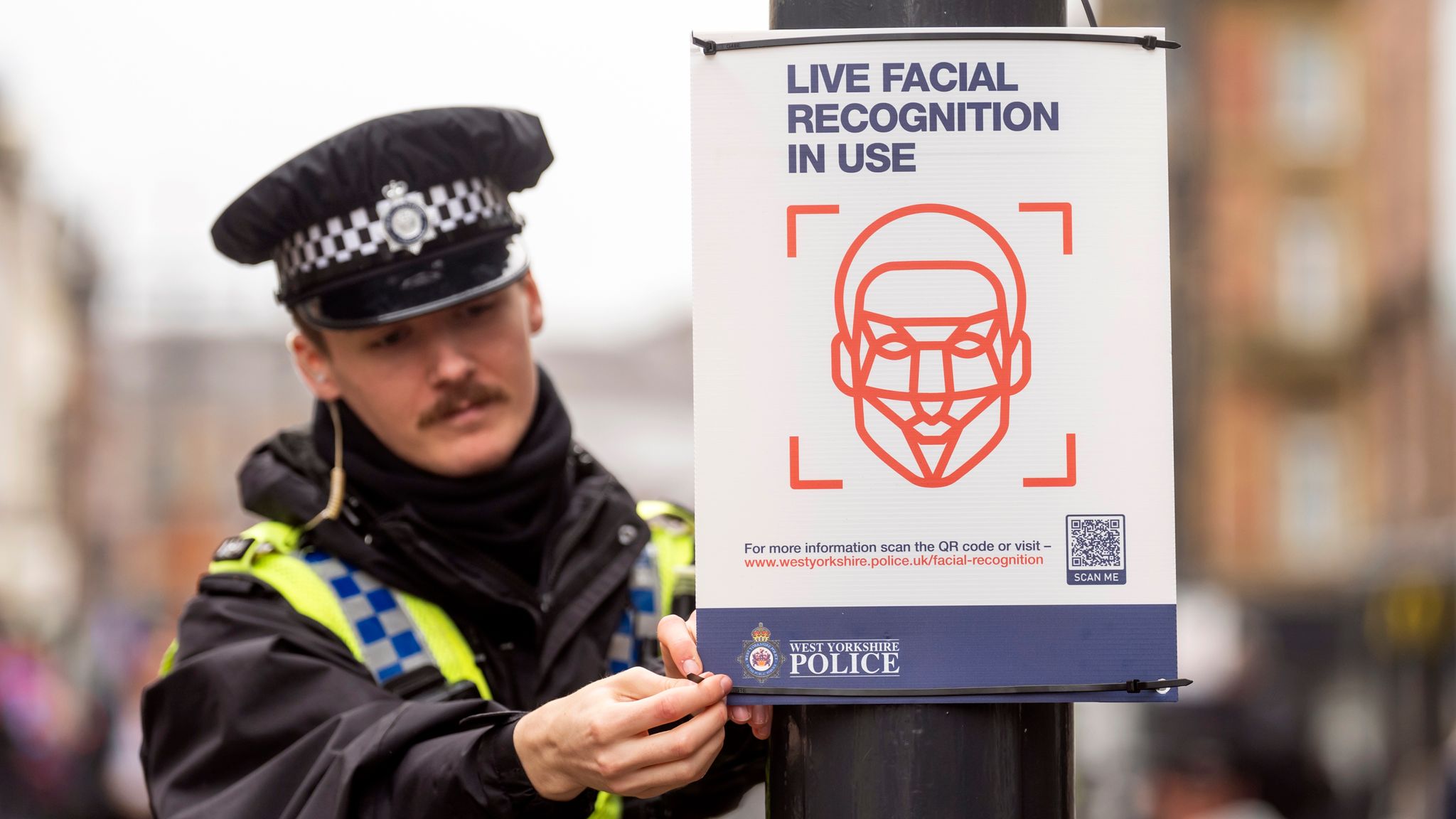
Jones confirmed the number of police vans equipped with LFR would increase from 10 to 50, extending beyond London to other parts of the UK. By the end of last year, thirteen police forces had adopted the technology, operating under strict guidelines to ensure deployments are targeted, intelligence-led, time-bound, and geographically limited. The Home Office also emphasized that images not matching the watchlist are immediately and automatically deleted to protect privacy.
Concerns Persist Amid Expansion Plans
Despite official assurances, critics remain vocal. Shaun Thompson, one of the challenge’s claimants, vowed to appeal the ruling, condemning the technology as a form of “stop and search on steroids.” He criticized the police for relying on the flawed system even when he cooperated fully and presented credible ID.
Concerns about racial bias have not dissipated. Earlier this year, Essex Police temporarily suspended LFR after research revealed the system was statistically more accurate at identifying Black individuals compared to other ethnicities. Although false positives for non-listed individuals were rare, this disparity raised alarms about potential discriminatory impacts.
Essex Police addressed the issue by updating the facial recognition algorithm and declared the system ready for redeployment. Nonetheless, this incident underscores ongoing challenges in ensuring biometric technologies operate fairly and without prejudice.
What This Means for Privacy and Public Safety
The government’s commitment to expanding facial recognition technology signals a clear prioritization of law enforcement efficiency and crime reduction. As LFR becomes more widespread across UK cities, it promises to accelerate identification of suspects and enhance public security.
However, the controversy surrounding privacy and racial bias highlights the need for robust oversight, transparency, and safeguards to prevent misuse or disproportionate targeting of minority communities. Courts have so far upheld the legality of LFR, but the debate over its ethical implications is far from settled.
Moving forward, balancing technological innovation with civil liberties will remain a delicate task. The evolving landscape of biometric surveillance demands continuous scrutiny to ensure that advancements serve society equitably without eroding fundamental rights.
The rollout of facial recognition technology across the UK marks a pivotal moment in policing, one that could reshape public safety — but also raises critical questions about privacy, fairness, and the future of surveillance.