

The United Kingdom braces for a dramatic surge in temperatures next week, with forecasts predicting sweltering highs reaching 36°C. This intense heat wave comes with official heat health alerts, signaling elevated risks to public health and the environment. Additionally, meteorologists warn that the prolonged dry spell may reignite concerns over drought conditions across several regions.
Severe Heat Warning and Health Implications
Forecasters have issued heat health alerts as the mercury climbs toward 36°C—temperatures that are notably high for the UK’s typically temperate climate. Such extreme heat poses significant threats, particularly to vulnerable populations including the elderly, young children, and those with pre-existing health conditions.
The heat can exacerbate respiratory and cardiovascular issues, increase dehydration risks, and lead to heat exhaustion or heatstroke if precautions are not taken. Public health agencies are urging residents to stay hydrated, avoid strenuous outdoor activities during peak hours, and seek cool environments whenever possible.
These health alerts also serve as a reminder for local authorities to ensure emergency services are prepared for potential surges in heat-related illnesses. Schools, care homes, and workplaces are encouraged to implement measures to protect individuals during the peak of the heat wave.
Rising Temperatures and the Threat of New Droughts
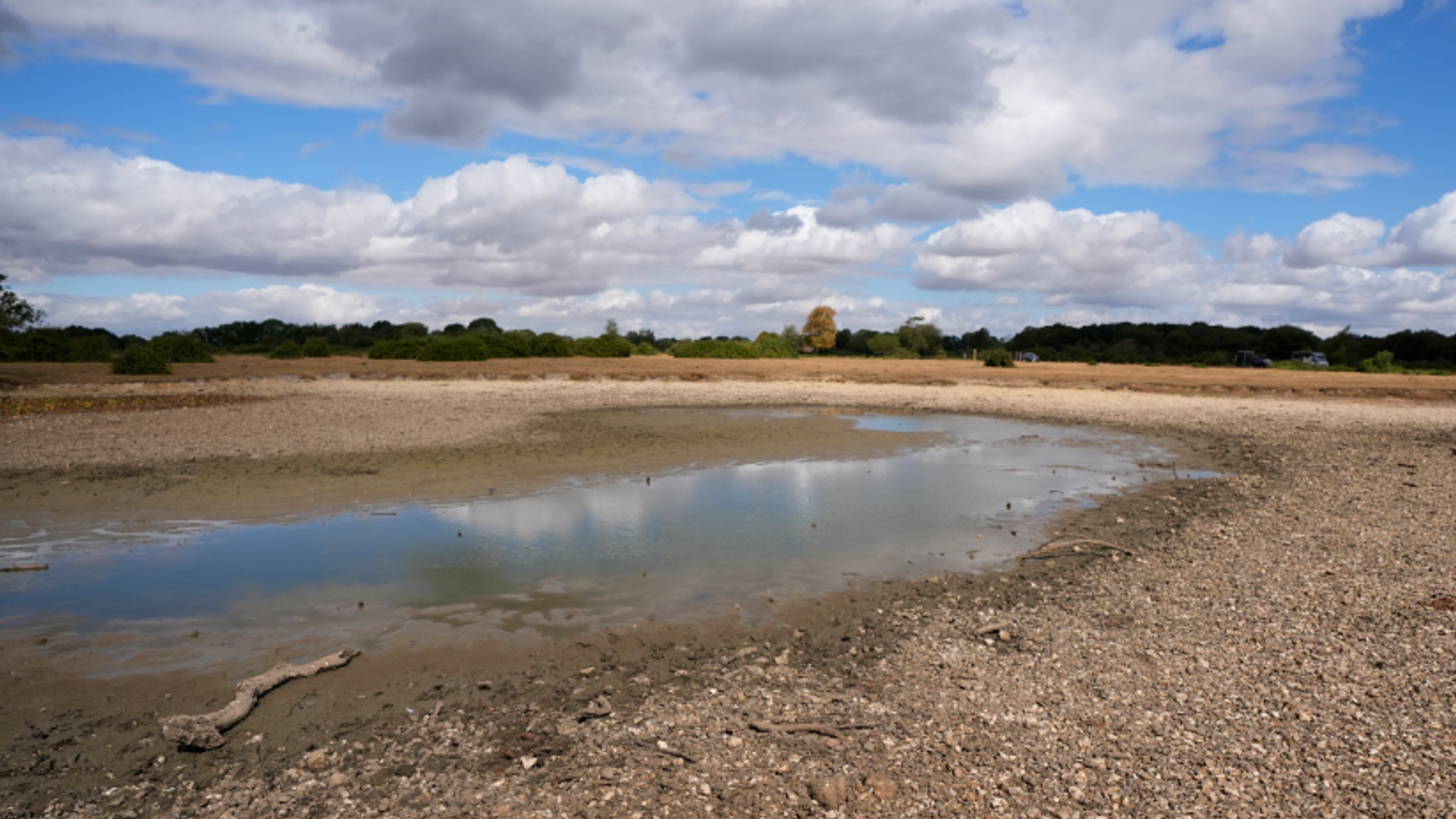
The scorching heat is more than a temporary discomfort—it threatens to deepen existing water shortages. Parts of the UK have already experienced below-average rainfall in recent months, straining reservoirs, rivers, and groundwater supplies.
With temperatures soaring next week, evaporation rates will increase, further depleting water reserves. This raises the possibility of new drought declarations, which could lead to restrictions on water usage for households, agriculture, and industry.
Water companies and environmental agencies are closely monitoring the situation. They advise residents to conserve water by limiting non-essential use, fixing leaks promptly, and adopting water-saving habits. Farmers and gardeners may face challenges as soil moisture diminishes, potentially impacting crop yields and green spaces.
What This Means for the UK Moving Forward
The upcoming heat wave and associated drought risks underscore broader concerns about climate variability and the increasing frequency of extreme weather events in the UK. Historically moderate summers are becoming hotter and drier, placing new pressures on infrastructure, ecosystems, and public health systems.
Communities will need to adapt to these changing conditions through improved heatwave preparedness, sustainable water management, and investment in resilience measures. This includes enhancing urban green spaces to mitigate heat islands and upgrading water storage and distribution networks.
For individuals, understanding the risks and taking proactive steps to stay safe and conserve resources will be crucial. The heat health alerts provide a vital early warning to mobilize community action and reduce preventable harm during such extreme weather episodes.
As the UK confronts this spell of intense heat and potential drought, the situation highlights the importance of coordinated efforts among government bodies, environmental organizations, and citizens to navigate the challenges posed by a warming climate.