

The Channel crossings continue despite the UK’s recent £662 million agreement with France aimed at halting dangerous migrant journeys. This weekend marked the first arrivals of small boats transporting migrants to Dover since the landmark deal was signed, spotlighting the ongoing challenges in managing Channel security.
The UK-France £662 Million Border Security Pact
On Thursday, Home Secretary Shabana Mahmood formalized a comprehensive three-year deal with French authorities in Dunkirk, pledging £662 million to intensify efforts to prevent migrants from crossing the Channel. The agreement focuses on deploying French police to “target and detain” individuals attempting to launch from northern French beaches, disrupting crossings before they begin.
The plan aims to systematically remove hundreds of migrants annually from coastal areas, thereby reducing the perilous small boat journeys that have surged in recent years. Despite the scale of investment, ministers have yet to announce specific success metrics or targets to evaluate the deal’s impact.
Enhanced Policing and Surveillance on French Beaches
Key measures include deploying a new 50-officer police unit trained in riot and crowd control, tasked with managing “hostile crowds” and preventing violence along the coast. This specialized squad will complement existing forces, increasing the total number of officers on French beaches by approximately 42% during the summer months—the peak season for crossings.
In addition to manpower, the agreement boosts technological surveillance. Drone patrols, enhanced camera systems, and helicopter monitoring will augment efforts to detect and disrupt migrant attempts early.
Moreover, a new detention center in Dunkirk will open by the end of the year, staffed by around 200 officers focused on processing and deporting migrants. Priority removal targets include nationals from countries with the highest recent crossing numbers: Eritrea, Afghanistan, Iran, Sudan, Somalia, Ethiopia, Iraq, Syria, Vietnam, and Yemen.
Early Signs and Political Reactions
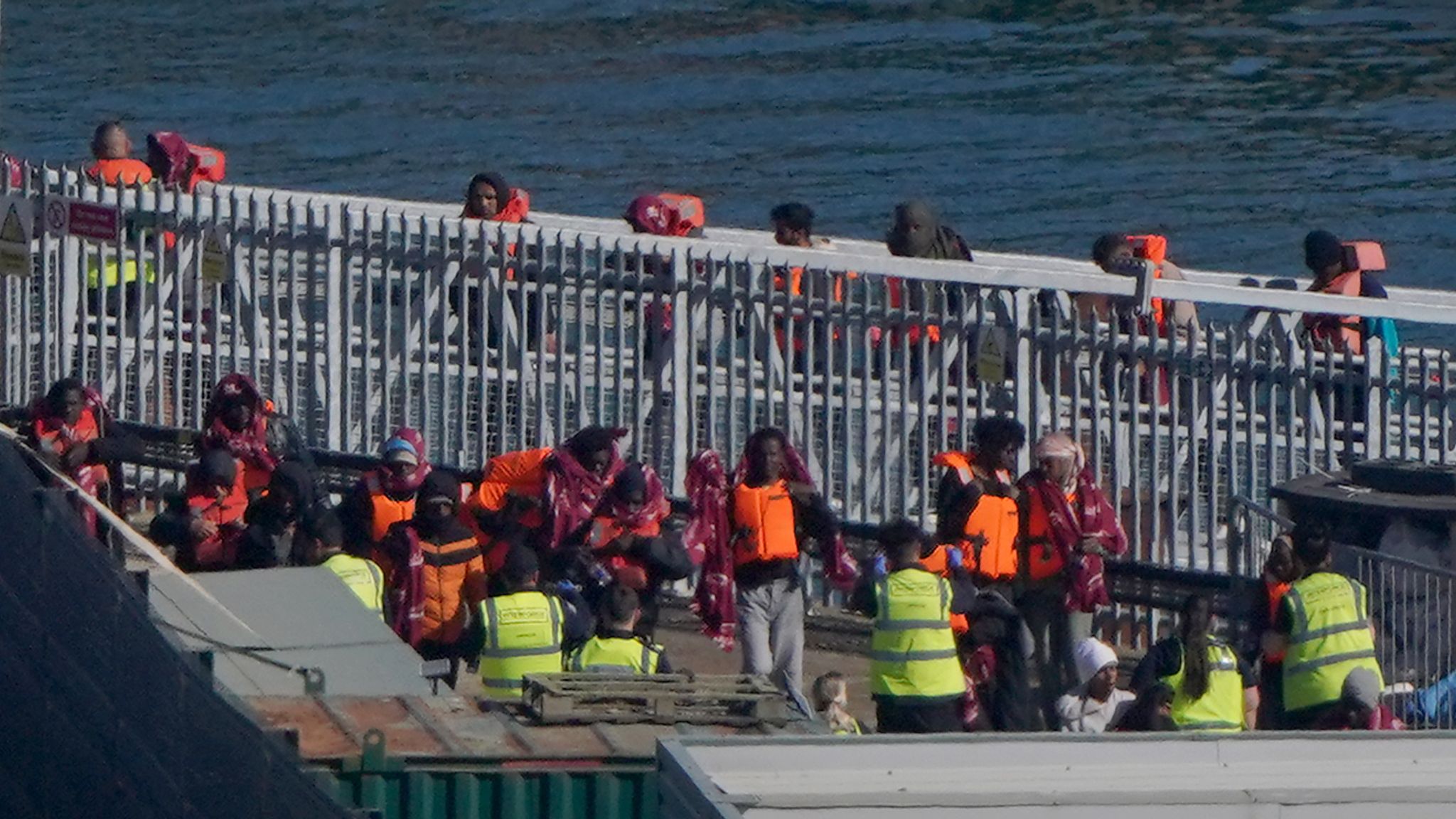
Despite these robust plans, the first small boat group since the deal’s signing was escorted ashore in Dover on Saturday afternoon. The group, comprising over a dozen migrants including women and children, was brought into the UK Border Force’s detention compound after being intercepted in the Channel. This arrival underscores the persistent nature of the migrant crossings despite increased enforcement.
So far this year, more than 6,000 migrants have successfully crossed the Channel into the UK, marking a 36% decrease compared with the same period in 2025. The decline signals some early effect but also highlights the scale of the challenge.
Shadow Home Secretary Chris Philp criticized the deal, asserting that France “shouldn’t get a single penny unless they stop the vast majority of the boats,” emphasizing demands for accountability linked to funding.
The Home Office defended the initiative, stating: “This government is bearing down on small boat crossings. The home secretary has signed a landmark new deal with France to boost enforcement action on beaches and put people smugglers behind bars.”
Officials highlight that joint UK-France efforts have already prevented over 42,000 illegal crossing attempts since the current government took office. The UK has also removed or deported nearly 60,000 individuals residing illegally in the country, aiming to dismantle the networks and incentives facilitating illegal migration.
Conditional Funding and the Road Ahead
The £662 million package includes a performance-based funding structure. The UK will initially pay £501 million to support five dedicated police units and enforcement activities on French shores. An additional £160 million will only be released if crossing numbers fall, representing a conditional investment tied directly to measurable success.
Should the new tactics fail to reduce arrivals, the Home Office confirmed that the extra funding will cease after one year, signaling a commitment to fiscal accountability linked to results.
As summer approaches—the period historically marked by a surge in Channel crossings—the effectiveness of this deal will be put to a critical test. The combination of enhanced policing, surveillance technology, and deportation facilities aims to create a multi-layered barrier against the dangers of illegal migration.
Why This Matters
The ongoing migrant crisis in the English Channel poses complex humanitarian, security, and political challenges. The UK’s substantial financial commitment to France reflects the urgency of addressing perilous crossings that endanger lives and strain border resources.
By increasing French enforcement capabilities and introducing advanced surveillance, the UK hopes to disrupt smuggling networks and reduce the incentives driving migrants to risk their lives at sea. However, the initial arrivals following the deal’s implementation reveal that enforcement alone may not immediately stem the tide.
Long-term success will require sustained cooperation, transparent performance evaluations, and comprehensive strategies addressing the root causes of migration. The conditional nature of the funding underscores the UK government’s demand for tangible progress against illegal crossings.
As these measures unfold, all eyes will be on Dover and the Channel, where the human stories behind the headlines continue to unfold, challenging policymakers to balance security with compassion.
Full details of the deal’s long-term impact and operational outcomes have yet to be released.