

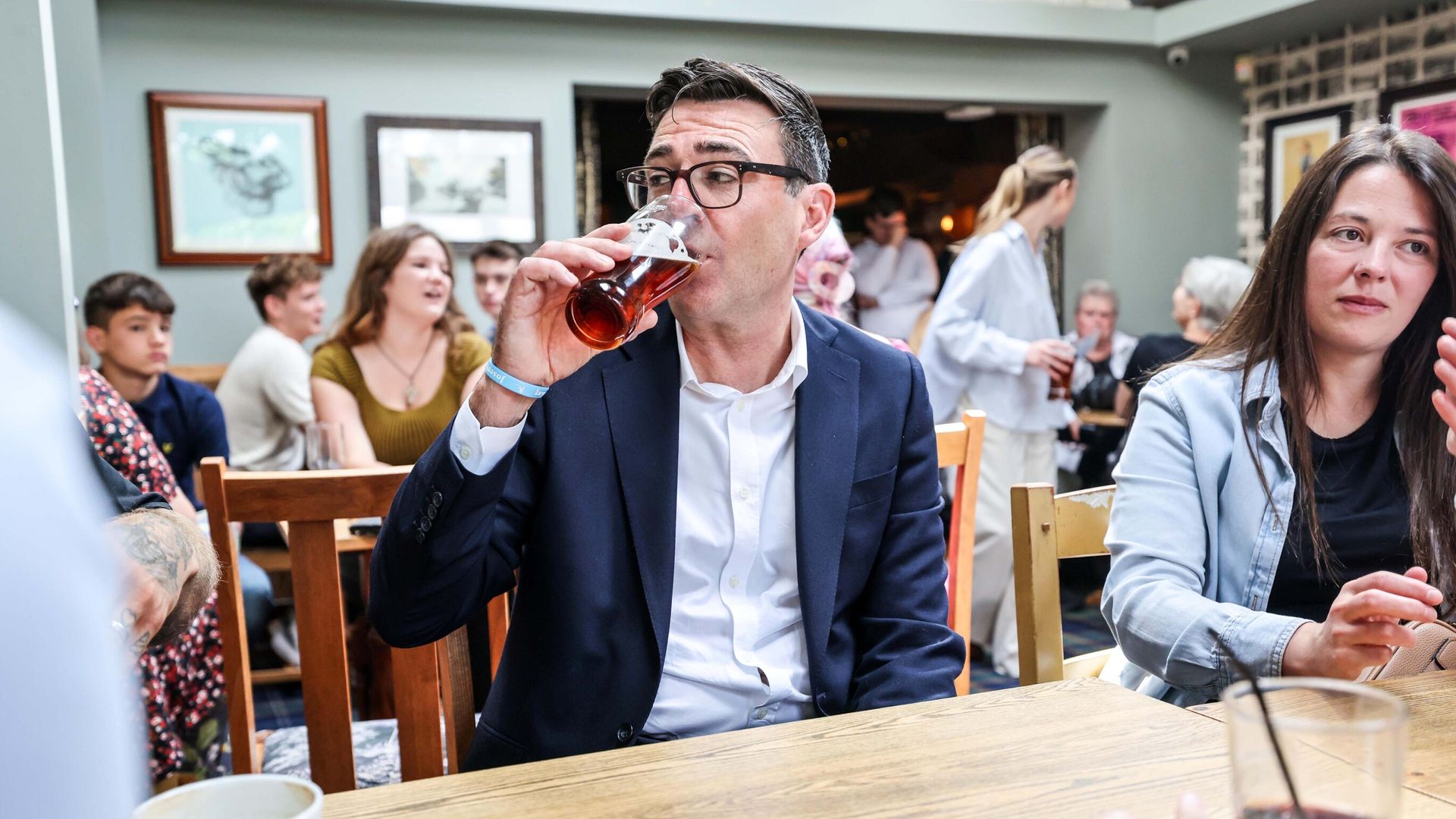
“Vertical drinking” — the practice of consuming beverages while standing at the bar — has sparked a fresh debate in the UK, with Number 10 firmly defending it as an intrinsic part of British social life. This controversy has intensified following Prime Minister Andy Burnham’s recent public appearance, where he was photographed enjoying a beer at the Hare pub in Harlow, Essex. The image symbolizes the government’s ongoing commitment to supporting the hospitality sector, even amid growing criticism surrounding pub culture and licensing laws.
What Is “Vertical Drinking,” and Why Does It Matter?
“Vertical drinking” refers to patrons standing rather than sitting while enjoying their drinks, often at bars or counters in pubs and clubs. This style of socializing has been a staple of British nightlife for decades, promoting a casual, lively atmosphere that fosters quick interactions and camaraderie.
The debate over vertical drinking has re-emerged as some critics argue that it encourages excessive alcohol consumption, leads to overcrowding, and can contribute to public disorder. Opponents have called for stricter licensing regulations and greater enforcement measures to curb these concerns. On the other hand, supporters emphasize that vertical drinking represents a cherished tradition that sustains many local pubs and small businesses.
Prime Minister Andy Burnham’s Visit Highlights Government Support
During his visit to the Hare pub on July 23, 2026, Prime Minister Andy Burnham made a clear statement by choosing to drink beer while standing at the bar. This gesture underscores the government’s recognition of the hospitality industry’s economic and cultural significance, especially following the challenges posed by recent economic pressures and public health concerns.
Number 10 has framed vertical drinking not merely as a habit but as an essential expression of British life and community spirit. Government officials argue that pubs are more than just drinking venues; they serve as social hubs that contribute to mental well-being, local economies, and cultural heritage.
Why This Debate Resonates Across the UK
The discussion about vertical drinking taps into broader issues affecting the UK’s hospitality sector. Pubs have faced numerous challenges over the past two decades, including rising costs, changing consumer habits, and stricter regulations. The COVID-19 pandemic further intensified these pressures, with many establishments struggling to survive lockdowns and social distancing mandates.
In this context, vertical drinking represents a symbol of resilience and tradition. Many pub owners argue that standing bars allow for more customers in limited space, helping to sustain business viability. Additionally, vertical drinking encourages a dynamic social environment, attracting younger patrons and fostering community engagement.
However, public safety concerns remain valid. Incidents related to overcrowding and alcohol-related disorder prompt calls for balance between preserving cultural practices and ensuring responsible drinking environments. This ongoing tension highlights the complexities involved in regulating public drinking spaces.
What This Means for the Future of UK Pub Culture
The defense of vertical drinking by Downing Street signals a political willingness to protect and promote traditional British pub culture amid evolving social attitudes and regulatory challenges. As the government navigates these competing interests, policymakers must weigh the economic benefits and cultural significance against public health and safety considerations.
For pub owners and patrons alike, the debate underscores the importance of finding sustainable models that respect heritage while adapting to modern expectations. Whether through updated licensing frameworks, community engagement initiatives, or innovative hospitality practices, the future of vertical drinking—and British pubs more broadly—depends on striking this delicate balance.
In sum, the renewed spotlight on vertical drinking is more than a trivial dispute; it reflects deeper questions about identity, community, and the role of traditional social spaces in contemporary Britain. As Prime Minister Burnham’s visit illustrates, vertical drinking remains a vibrant and valued aspect of British life, deserving thoughtful preservation amid ongoing societal change.