

The British government has taken a firm stand against Chinese espionage following the conviction of two men who orchestrated surveillance and intimidation campaigns against pro-democracy activists living in the UK. This unprecedented case has exposed covert operations conducted on British soil, prompting a stern diplomatic response.
Conviction of Spies and Diplomatic Fallout
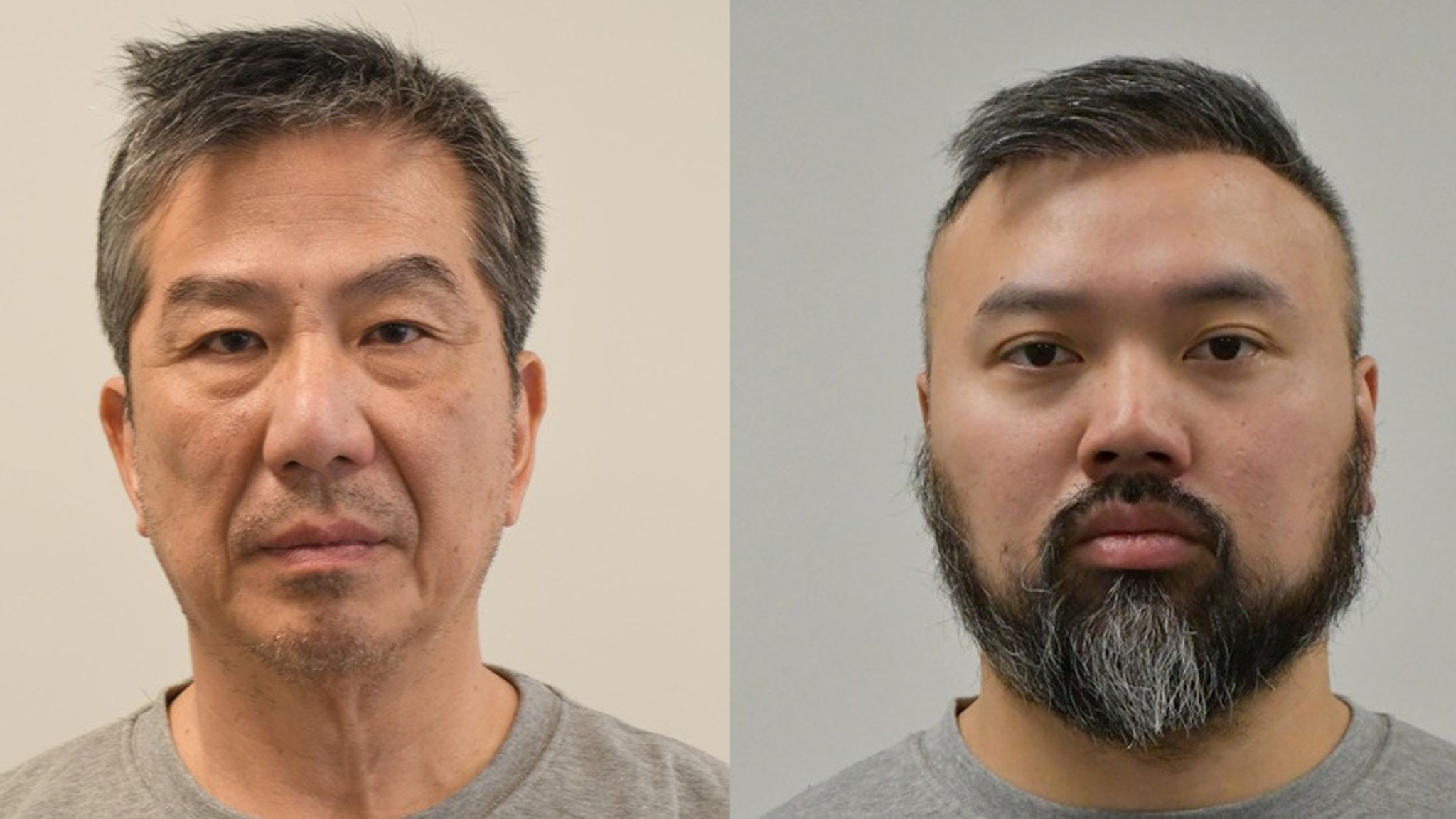
At the heart of this high-profile case are Bill Yuen and Peter Wai, both dual Chinese-British nationals found guilty at the Old Bailey of assisting a foreign intelligence service under the National Security Act. Their conviction marks a rare legal victory against foreign espionage targeting political dissidents in the UK.
Yuen, 65, operated from the Hong Kong Economic Trade Office (HKETO) in central London, running what prosecutors described as “shadow policing operations.” He directed Wai, 40, a former Border Force officer and retired Hong Kong Police superintendent, along with others, including ex-Royal Marine Matthew Trickett, to carry out surveillance and harassment on behalf of Hong Kong intelligence.
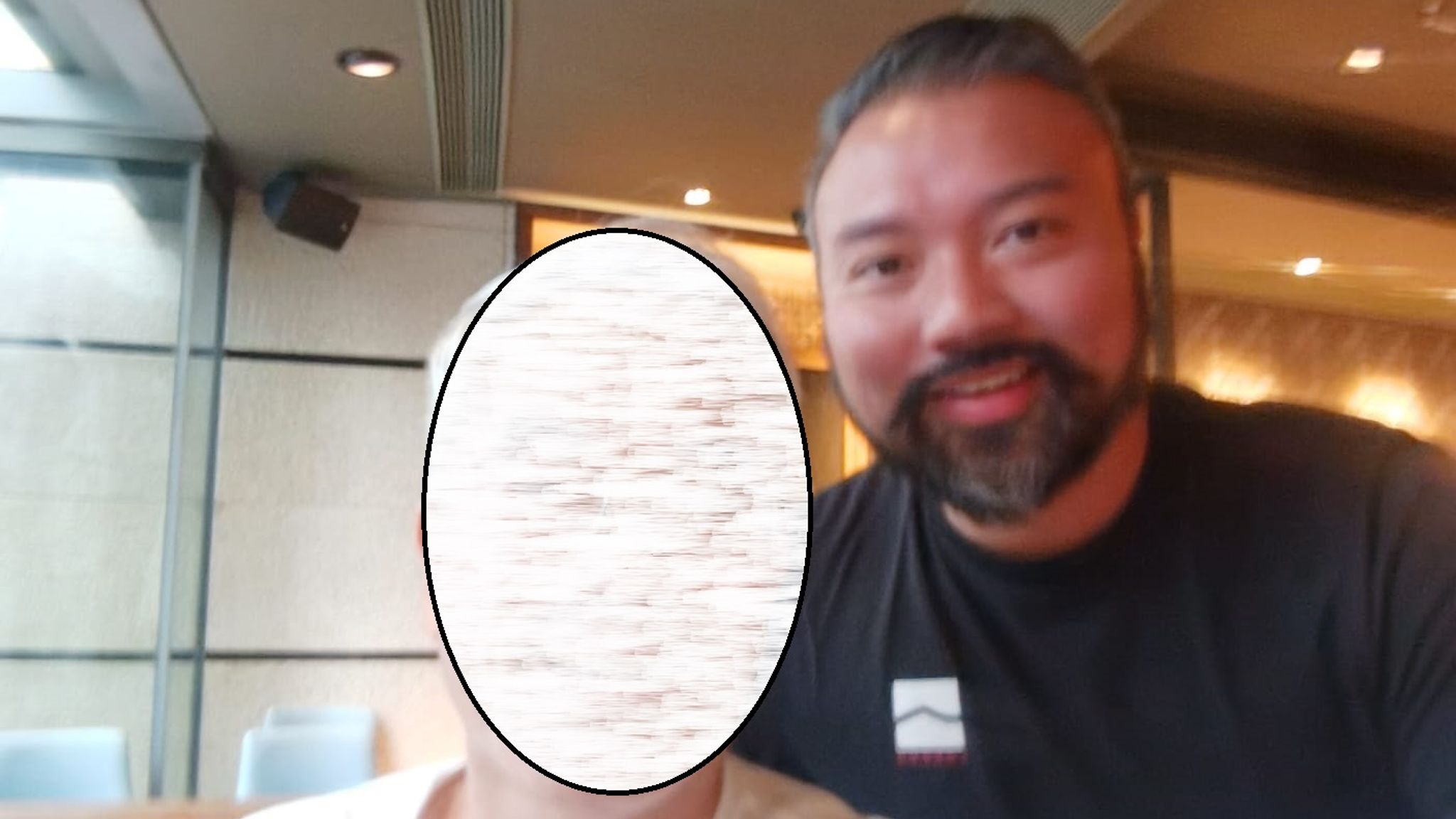
Trickett, 37, tragically took his own life in a park in Maidenhead shortly after his first court appearance, underscoring the grim toll of the case. Wai, previously a Metropolitan Police officer and City of London Police special constable with Royal Navy experience, was also deeply involved in the operation.
The convictions cover activities between December 2023 and May 2024, including surveillance of UK-based activists who oppose Beijing’s authoritarian policies.
Targeting Dissidents and UK Officials
The court revealed that Yuen and Wai ran a private security firm called D5 Security, which facilitated their operations. Wai reportedly met Yuen in 2021, after Yuen had settled in London in 2015, and together they began monitoring dissidents who had sought refuge in the UK.
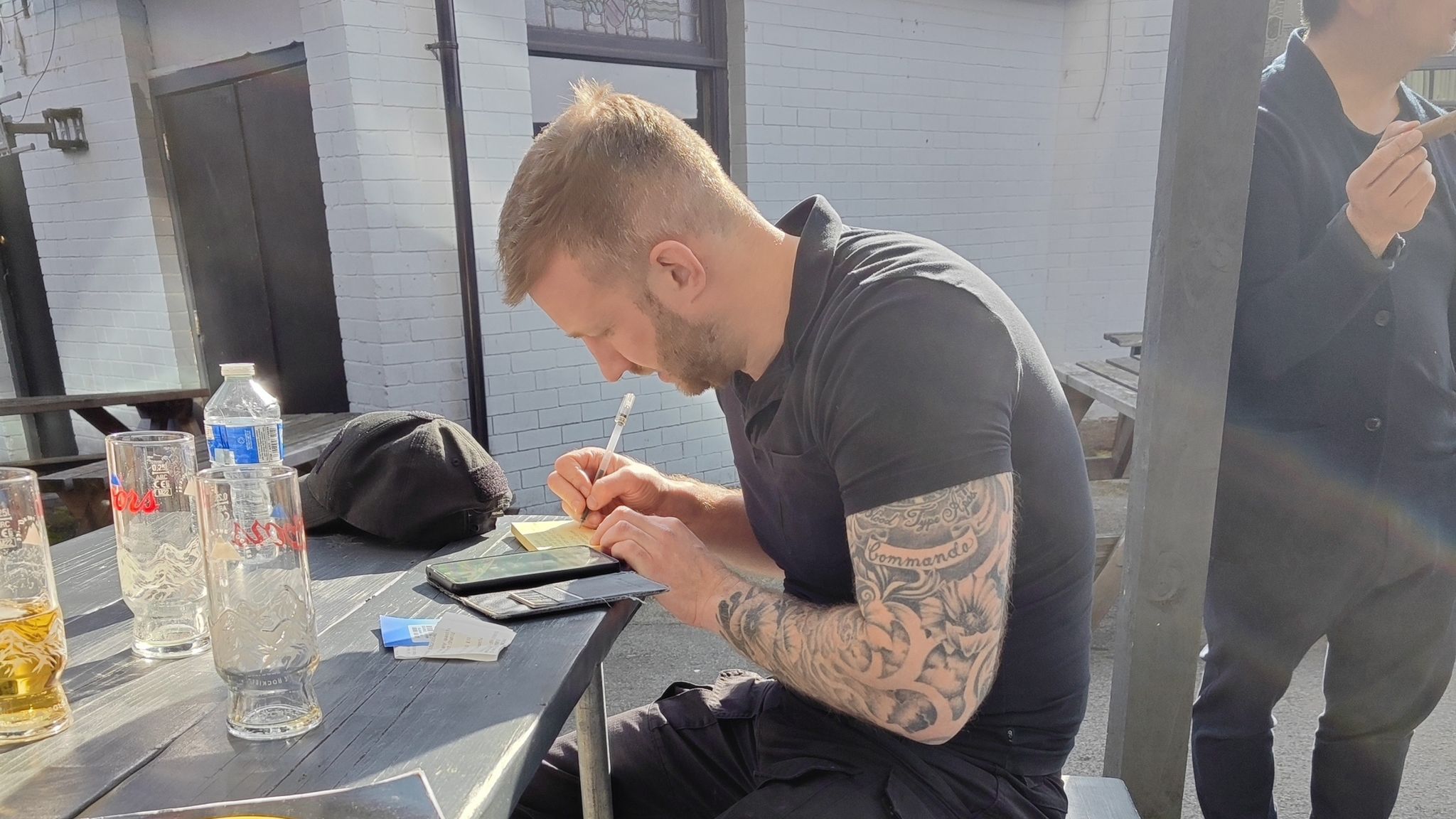
Wai was documented flashing his police badge to intimidate protesters and even threatened to arrest an activist confronting a Hong Kong official in London. Other dissidents reported being followed and having their financial transactions tracked, highlighting the invasive nature of the surveillance.
Yuen explicitly instructed Wai to focus on individuals supportive of the pro-democracy movement, including UK politicians and local councillors. Notably, Sir Iain Duncan Smith, chairman of the Inter-Parliamentary Alliance on China, was among those targeted. Yuen directed Wai to photograph these figures and gather detailed information about their private lives.
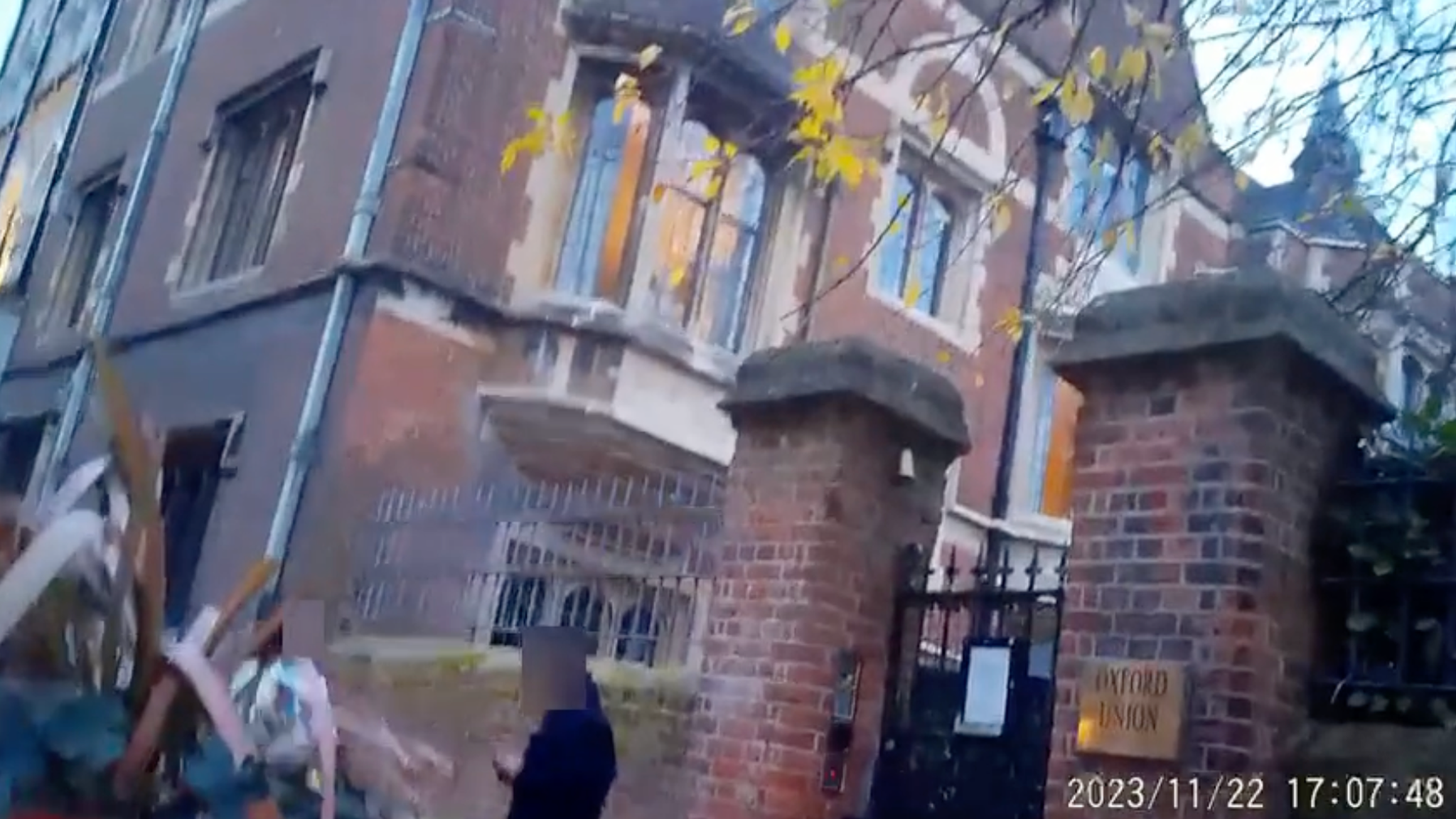
High-profile activists such as Nathan Law, a prominent Hong Kong democracy campaigner who spoke at the Oxford Union in November 2023, were closely monitored. Notes recovered from Trickett’s phone listed surveillance tasks on activists including Christopher Mung and Finn Lau, illustrating the extensive reach of the operation.
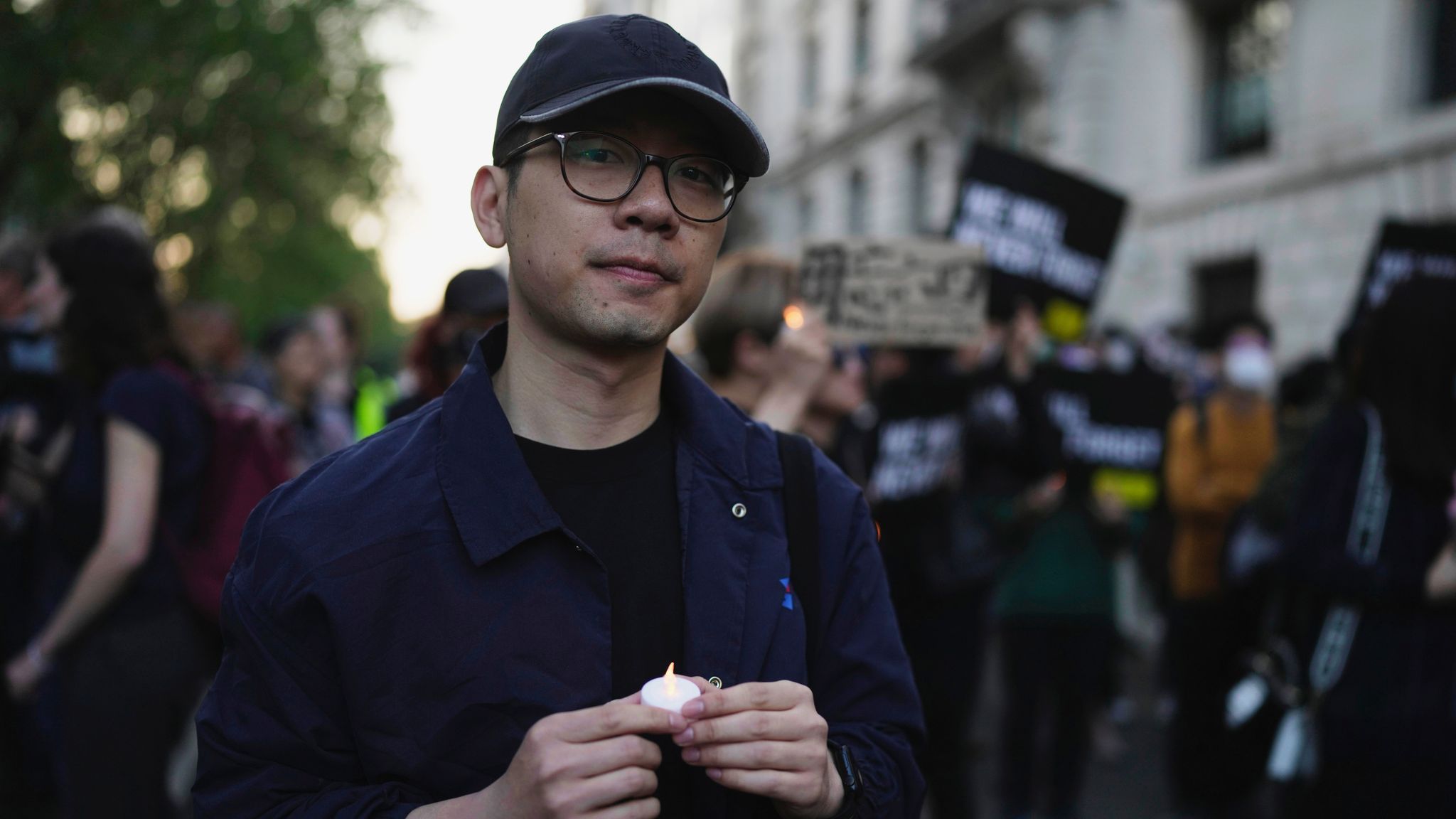
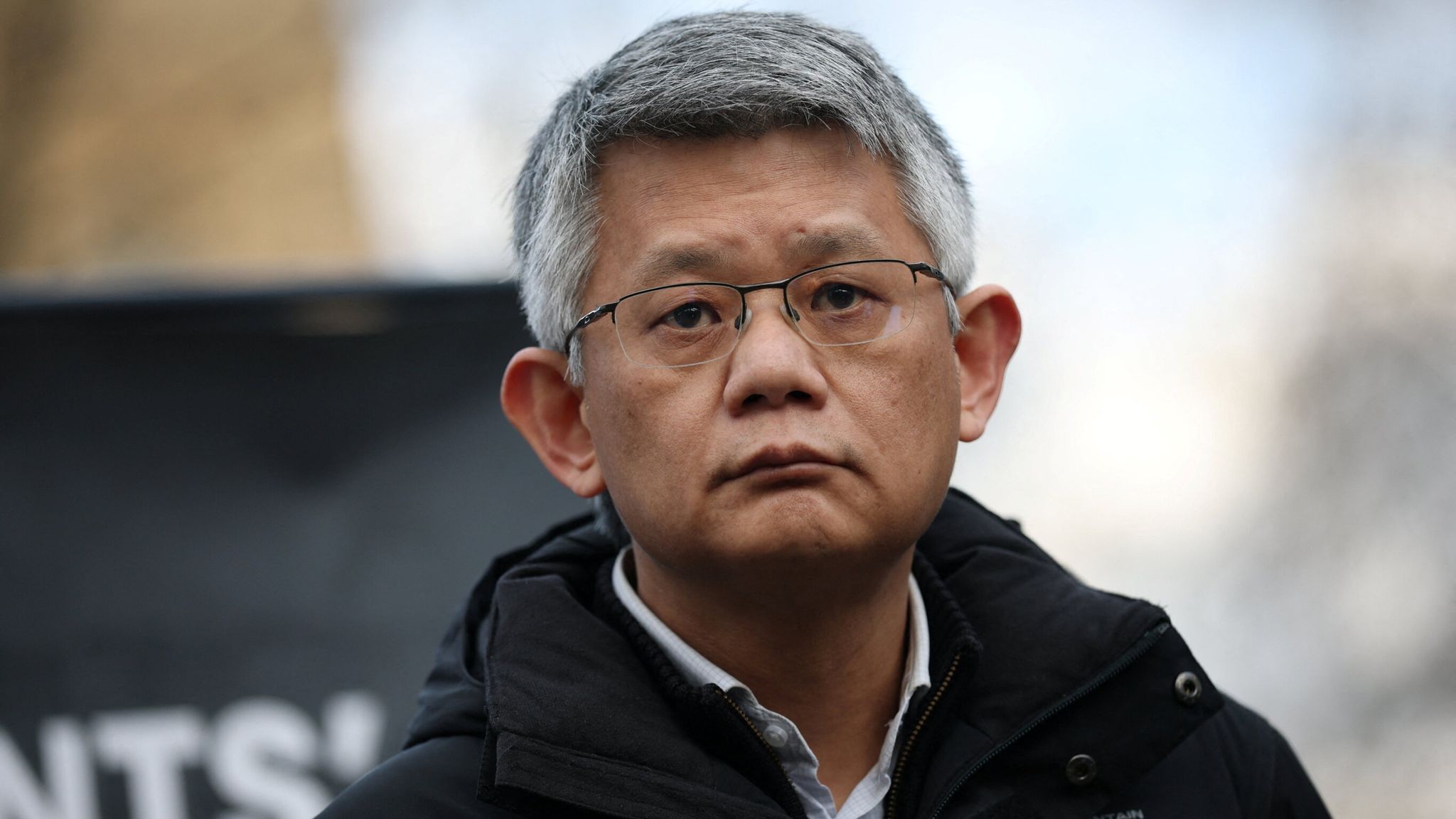
Christopher Mung has spoken out about the repercussions of this intimidation: two of his family members were detained for questioning in Hong Kong, and his UK bank account and pension were frozen. He described these measures as “devastating” for his future, reflecting the broader impact on dissidents’ lives and livelihoods.
Government Response and Broader Implications
In the wake of the trial, Foreign Secretary David Lammy summoned the Chinese ambassador to London, Zheng Zeguang, to convey the UK government’s unequivocal condemnation of these covert operations. The Foreign Office emphasized that the UK will not tolerate any attempts by foreign states to intimidate, harass, or harm individuals or communities within its borders.
An official spokesperson stated, “Such activity constitutes a serious breach of the UK’s sovereignty. We will continue to use the full range of tools available to protect our security and hold China accountable for actions which undermine our safety and democratic values.”
This case follows a broader MI5 operation that led to the arrest of 11 individuals suspected of involvement in espionage and intimidation efforts. Wai’s background included service with the Metropolitan Police before shifting to Border Force, where he held airside access at Heathrow Airport, enabling him to operate undetected for a time.
Why This Matters
This landmark conviction exposes the extent to which authoritarian regimes like China’s seek to suppress dissent beyond their borders, violating the sovereignty of democratic nations and threatening the safety of political refugees. The UK’s robust legal and diplomatic response sends a clear message that such foreign interference will face serious consequences.
For activists and dissidents, the case highlights the ongoing risks they face even while in exile. It underscores the importance of vigilant security measures and international cooperation to safeguard democratic freedoms.
Moving forward, the UK government’s commitment to defending its citizens and residents against espionage and harassment will shape future relations with China and influence global efforts to counter authoritarian influence campaigns.
Full details have not yet been released as investigations continue.