

The UK government has announced plans to fully nationalise British Steel, aiming to secure the future of the Scunthorpe steelworks which has been grappling with severe financial challenges. This decisive intervention follows mounting losses and ongoing government support that has raised concerns about the long-term sustainability of the iconic steel producer.
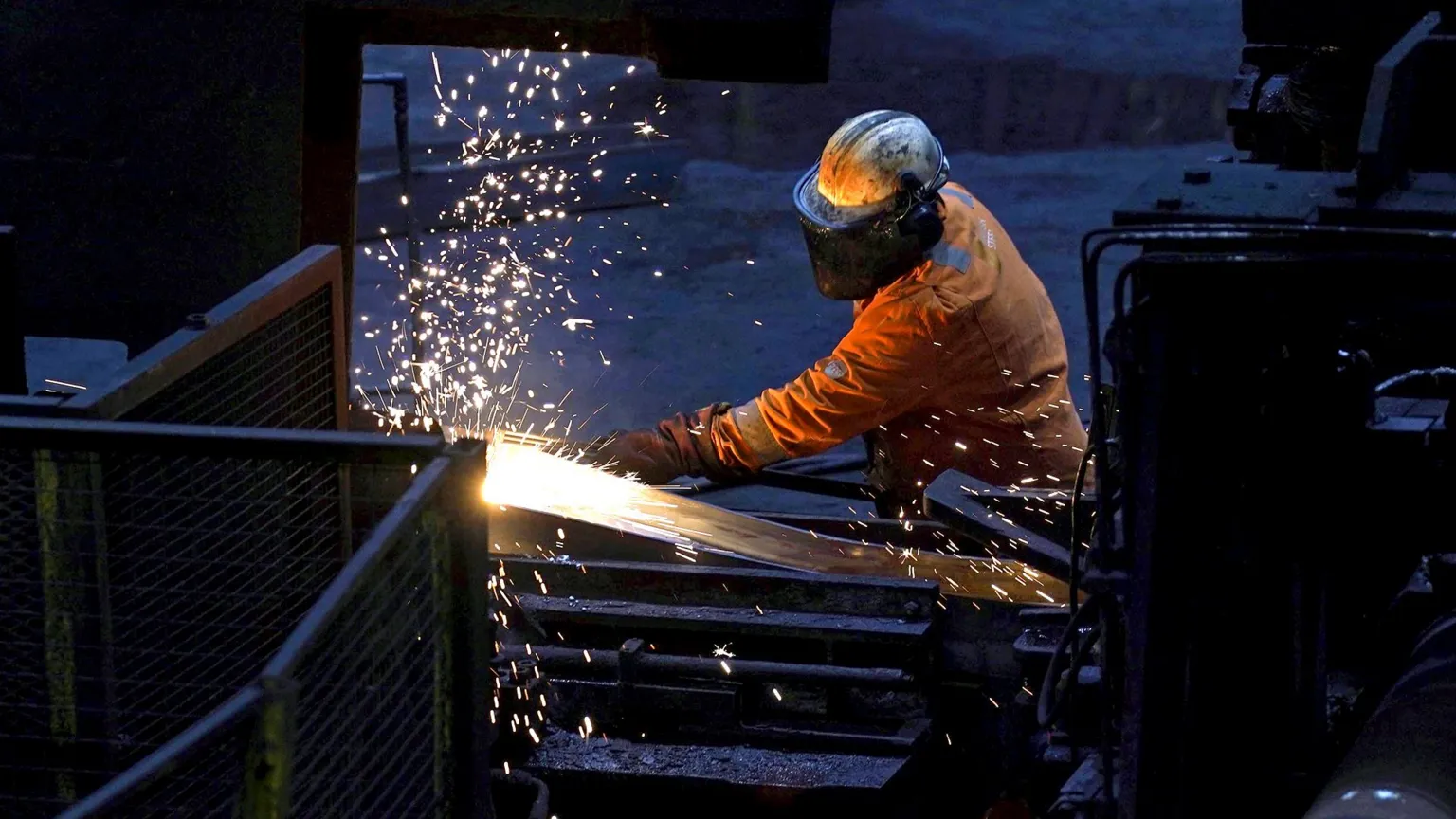
Financial Struggles at British Steel’s Scunthorpe Plant
The Scunthorpe steelworks, currently owned by the Chinese firm Jingye Group, has been reported to lose approximately £700,000 daily, rendering the operation financially unsustainable. These staggering losses prompted government involvement last year to prevent the plant’s collapse and protect the thousands of jobs dependent on it.
According to the BBC, the government is currently injecting around £1 million per day to keep the company afloat. This ongoing support covers operational costs, employee wages, and the purchase of raw materials essential for production. The scale of daily financial aid highlights the precarious position of British Steel and the urgency for a long-term solution.
Government Spending and Future Financial Implications
In March 2025, the National Audit Office (NAO) revealed that since government oversight began, about £377 million had been spent to subsidise British Steel’s operations. This figure encompasses funding allocated for operational expenses, workforce salaries, and procurement of raw materials at the Scunthorpe site.
The NAO further warned that if the current financial support continues at the same pace, total government expenditure could exceed £1.5 billion by 2028. This projection depends heavily on future policy decisions and the strategic direction the government chooses to adopt for British Steel.
While no official cost for the full nationalisation has been disclosed, it is expected that once legislation is passed, an independent valuation of the business will determine any compensation owed to Jingye Group for the transfer of ownership.

Historical Context and Union Support
This is not the first instance of government takeover of British Steel. Following the collapse of the company in 2019, the Insolvency Service managed British Steel for nine months at a cost of £600 million. This prior intervention underscores the strategic importance of the steelworks to the UK economy and the government’s willingness to act decisively during crises.
Labour unions representing steelworkers have publicly welcomed the nationalisation plans. In a joint statement, Community union general secretary Roy Rickhuss and Unite union general secretary Sharon Graham expressed full support for the move.
They emphasized British Steel’s “bright future,” highlighting the “world-class, highly skilled workforce” producing steels vital to the UK’s rail infrastructure and other strategic industries. The union leaders also called on the government to ensure that all publicly funded projects prioritise the use of UK-made steel, reinforcing domestic industry and job security.
What This Means for British Steel and the UK Economy
The planned nationalisation marks a significant shift in the UK’s industrial policy, demonstrating a renewed commitment to preserving critical manufacturing capabilities amid global economic uncertainties. Steel production remains a cornerstone of the UK’s infrastructure development, defense, and transportation sectors.
By bringing British Steel fully under public ownership, the government aims to stabilise the company’s finances, protect thousands of jobs, and safeguard the UK’s supply chain for essential steel products. This move may also encourage investment in modernising facilities and promoting sustainable steelmaking practices, aligning with broader environmental goals.
However, the scale of financial support required poses challenges for public resources, and the government will need to balance economic benefits with fiscal responsibility. The outcome of the independent business valuation and the negotiations with Jingye Group will be crucial in determining the final cost and timeline for the transition.
Ultimately, the nationalisation of British Steel signals a strategic effort to maintain the UK’s industrial sovereignty and secure a resilient future for one of its most important manufacturing sectors.