

The UK Home Office has officially denied entry to two prominent American left-wing commentators, Hasan Piker and Cenk Uygur, igniting debates over freedom of expression and immigration control. Both figures, known for their outspoken political commentary and significant online followings, were set to enter the United Kingdom but were blocked at the border, sparking controversy across media and political circles.
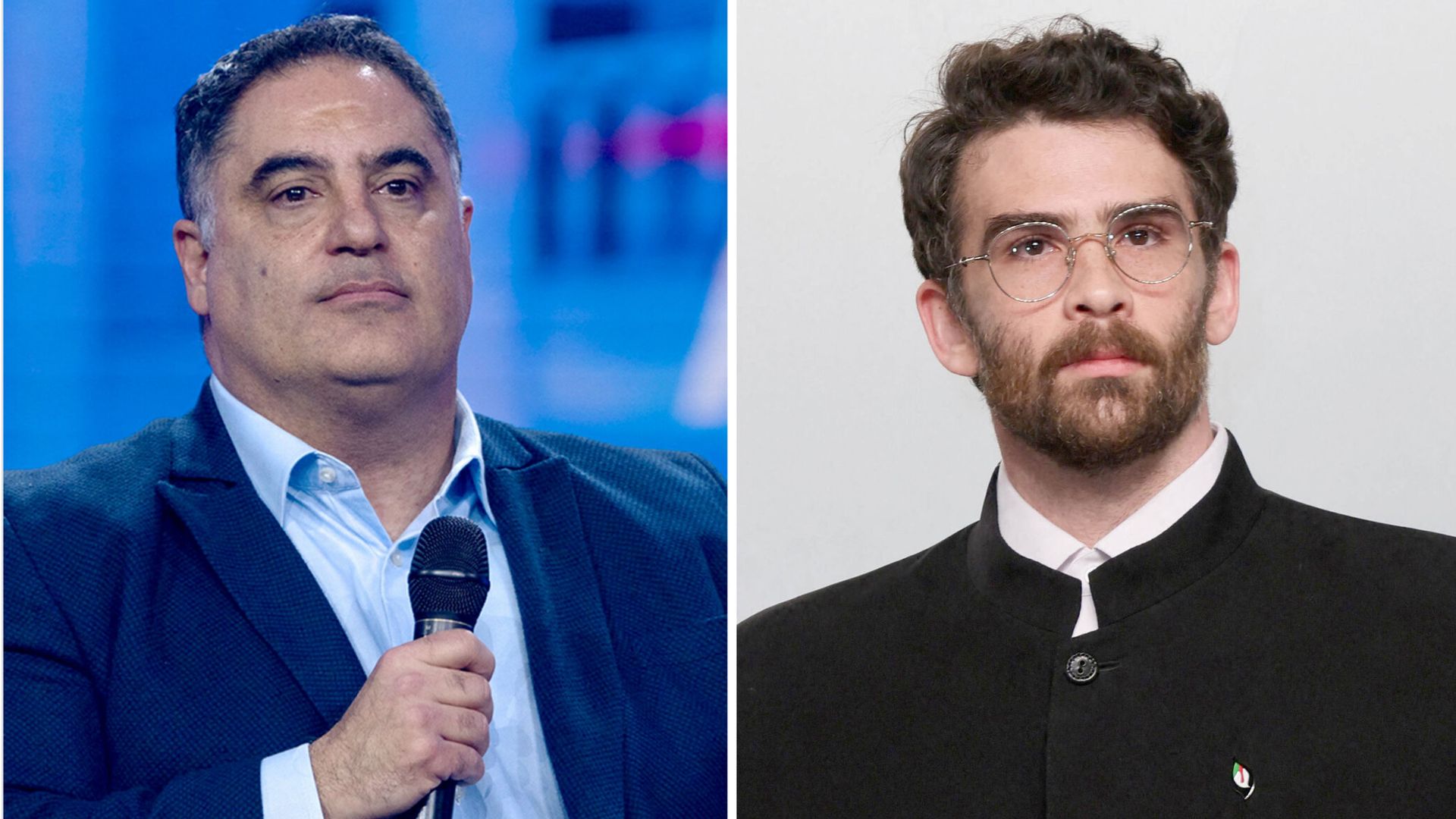
Who Are Hasan Piker and Cenk Uygur?
Hasan Piker is a popular political commentator and streamer, recognized for his progressive views and critique of establishment politics. He has gained substantial traction among younger audiences through platforms like Twitch and YouTube, where his live streams and videos analyze current affairs from a distinctly left-wing perspective.
Cenk Uygur, meanwhile, is the founder and former host of “The Young Turks,” a pioneering online news and commentary network that has influenced digital media and progressive activism since its inception. Uygur is known for his passionate advocacy on issues such as social justice, economic inequality, and government accountability.
Both broadcasters have built their reputations on candid and often provocative commentary, attracting millions of followers worldwide. Their planned visits to the UK were expected to include live events, interviews, and collaborations with British political figures and media outlets.
Details of the UK Home Office Ban
The Home Office’s decision to bar Piker and Uygur from entering the UK has not been fully detailed, but it reflects a growing trend of strict immigration enforcement tied to public order and national security considerations. Officials have the authority to refuse entry to individuals they deem inappropriate or potentially disruptive.
While neither Piker nor Uygur has publicly disclosed the specific reasons behind the ban, sources indicate that their outspoken political activism and controversial statements may have influenced the Home Office’s decision. British authorities have increasingly scrutinized foreign visitors whose presence could provoke unrest or challenge public safety, especially in politically sensitive environments.
This move has drawn sharp criticism from free speech advocates and supporters of both commentators, who argue that barring them undermines democratic principles and restricts open political discourse. Critics contend that such exclusions set a dangerous precedent for limiting international exchange of political ideas.
Implications for Free Speech and Political Debate
The barring of Piker and Uygur raises complex questions about the balance between national security and freedom of expression in democratic societies. As influential voices within the global progressive movement, their exclusion from the UK highlights tensions between immigration policy and the right to engage in political dialogue.
Supporters of the ban argue that governments must safeguard public order and prevent potentially inflammatory figures from inciting division or unrest. Conversely, opponents see the ban as an attempt to silence dissenting voices, especially those challenging mainstream political narratives.
For the UK’s political landscape, this incident might impact how left-wing activism and foreign political commentators operate within the country. It also signals that the government is willing to exercise stringent controls on who can participate in public discourse on British soil.
What This Means Moving Forward
The Home Office’s decision to block Hasan Piker and Cenk Uygur from entering the UK serves as a significant moment in the ongoing global conversation about immigration, media freedom, and political expression. It underscores the challenges governments face when balancing open democratic exchange with security concerns.
For the broadcasters themselves, the ban restricts their ability to engage directly with UK audiences and collaborate with local political entities. For British citizens and activists, it raises awareness about the limits being placed on international participation in the country’s political debates.
As political commentary increasingly transcends national borders through digital platforms, physical presence and access remain critical for influence and connection. The UK Government’s move may prompt further scrutiny of how public figures are vetted and the criteria used to determine their admissibility.
In a broader sense, this episode invites reflection on the values that democratic societies prioritize: the protection of free speech and political diversity versus the maintenance of public order and security. The outcome of this balance will shape the future of political expression both within the UK and internationally.