

The United Kingdom is gearing up for its fifth consecutive heatwave this year, with meteorologists forecasting sweltering temperatures reaching up to 36°C (97°F). In response, official heat health alerts have been activated nationwide, signaling heightened risks to public health and infrastructure as the intense heat wave threatens to strain communities across the country.
Heat Health Alerts Signal Rising Risks
Authorities have issued new heat health alerts, designed to warn residents and organizations about the potentially dangerous conditions posed by extreme heat. These alerts serve as critical reminders for vulnerable populations, including the elderly, young children, and those with pre-existing health conditions, to take precautions against heat-related illnesses such as heat exhaustion and heatstroke.
The UK’s heat health alert system is part of a broader public health strategy to mitigate the impact of rising temperatures. It encourages people to stay hydrated, avoid prolonged exposure to the sun during peak hours, and recognize early symptoms of heat-related stress. Emergency services and healthcare providers are also put on heightened alert to manage possible surges in heat-induced medical emergencies.
Understanding the Fifth Heatwave’s Impact
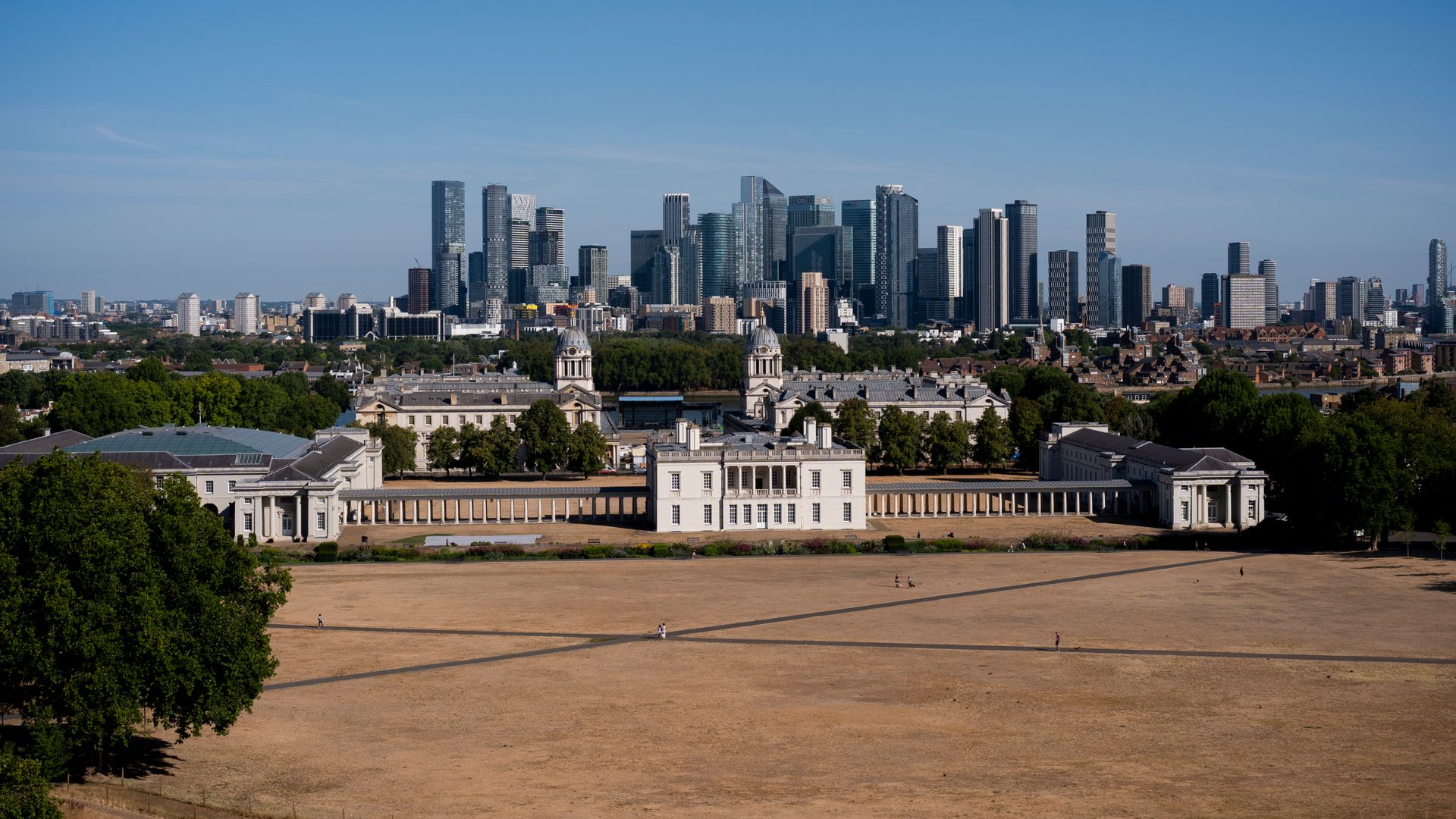
This latest heatwave follows four others earlier in the year, making 2024 one of the hottest years on record for the UK. Consistent high temperatures have already challenged the country’s infrastructure, agriculture, and energy systems. The forecasted 36°C heat marks a significant strain on public services and heightens concerns over water shortages and wildfire risks, particularly in southern regions.
Urban areas are especially vulnerable due to the “urban heat island” effect, where concrete and asphalt absorb and retain heat, causing temperatures to soar even higher than surrounding rural areas. This exacerbates health risks and discomfort for millions residing in cities such as London, Manchester, and Birmingham.
Schools, businesses, and transport networks are also feeling the pressure. Heatwaves can disrupt daily routines by causing overheating in buildings, delays in public transport due to track buckling, and reduced workforce productivity. The cumulative effect of repeated heatwaves underscores the urgency for long-term adaptation strategies to climate change in the UK.
Preparing for Extreme Heat: What You Need to Know
With the fifth heatwave imminent, experts emphasize the importance of community preparedness and individual action. The UK government and local councils are coordinating response plans, including opening cooling centers and issuing guidance to minimize heat exposure.
Simple measures such as wearing loose, light-colored clothing, avoiding strenuous outdoor activity during midday, and ensuring homes are ventilated can significantly reduce heat-related health risks. Additionally, staying informed through official updates and heat alerts helps individuals and organizations respond promptly as conditions evolve.
Healthcare providers advise that those with chronic illnesses, respiratory problems, or cardiovascular conditions should be especially vigilant. Caregivers are encouraged to check on vulnerable family members and neighbors regularly during hot spells.
Why This Matters: The Broader Climate Context
The recurrence of multiple heatwaves in a single year reflects broader global climate trends, with increasing frequency and intensity of extreme weather events attributed to climate change. The UK’s experience this summer is a stark reminder of the urgent need for robust climate resilience policies.
Communities, governments, and businesses must prioritize investments in sustainable infrastructure, such as improved cooling systems, water management, and green urban planning to mitigate future heat impacts. Public awareness campaigns and health systems also need to evolve to better support populations during extreme heat events.
As the UK confronts this fifth heatwave, the immediate focus remains on public safety and minimizing harm. Yet, this moment also highlights the critical challenge of adapting to a warming world and protecting vulnerable populations from escalating environmental threats.
With temperatures set to climb, staying alert to heat health warnings and adopting recommended precautions can save lives and reduce the burden on emergency services. The unfolding heatwave serves as both a warning and a call to action for a nation facing a hotter future.