

The United Kingdom is set to undertake its most extensive home defence military exercise in decades, signaling a significant escalation in national security preparedness. This large-scale operation will showcase the capabilities and readiness of Britain’s armed forces to respond rapidly to threats on domestic soil.
What the Exercise Involves
In March 2026, soldiers from the elite 16 Air Assault Brigade will execute a high-intensity parachute drop onto Salisbury Plain, one of the UK’s premier military training grounds. The troops will deploy from an RAF A400M transport aircraft, a cutting-edge tactical airlifter that enhances the speed and reach of airborne forces. This dramatic airborne insertion is designed to test the brigade’s agility and operational effectiveness under realistic combat conditions.
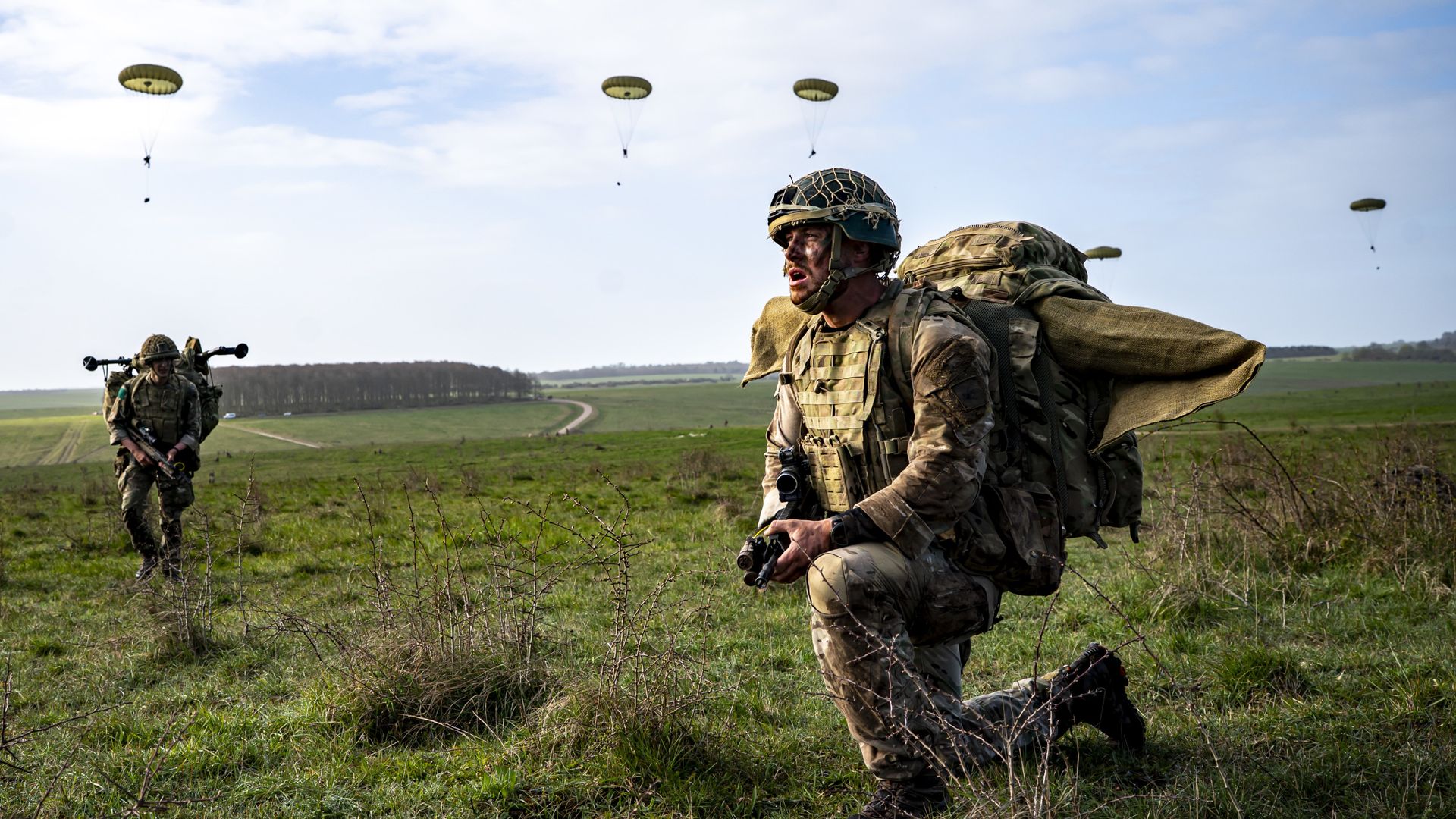
The 16 Air Assault Brigade is renowned for its rapid deployment capabilities and plays a crucial role in the UK’s defence strategy. Their involvement underlines the exercise’s focus on swift, decisive action in the face of threats. Salisbury Plain, with its vast open terrain and established military infrastructure, provides an ideal environment for simulating complex defence scenarios.
Why This Exercise Matters
This operation represents the largest home defence exercise the UK has staged in decades, reflecting escalating global tensions and the evolving nature of security threats. In recent years, geopolitical instability and emerging hybrid warfare tactics have heightened the importance of robust domestic defence mechanisms. By conducting such a comprehensive drill, the UK Ministry of Defence aims to validate the readiness of its forces and improve coordination across different military branches.
Training exercises of this magnitude are vital for identifying potential weaknesses and ensuring that troops remain at peak operational standards. They also serve as a deterrent to adversaries by demonstrating the UK’s capacity to defend its territory swiftly and effectively.
What the Future Holds for UK Defence
Looking ahead, this exercise sets a precedent for sustained investment in home defence capabilities. The integration of advanced transport aircraft like the RAF A400M with elite units such as the 16 Air Assault Brigade signals a strategic shift toward rapid response and flexible deployment. These developments are critical as the UK navigates complex security challenges both at home and abroad.
Moreover, large-scale exercises like this foster closer collaboration between the military, government agencies, and allied forces, enhancing overall national resilience. They also provide invaluable experience for troops, ensuring they remain battle-ready in an unpredictable global landscape.
In summary, the upcoming home defence exercise is more than a training event—it is a clear statement of the UK’s commitment to safeguarding its citizens and territory. As defence strategies evolve, such drills will play an increasingly pivotal role in maintaining national security and deterring potential threats.