

The revelation that hundreds of UK military personnel have unknowingly exposed their locations inside highly sensitive military bases via the popular exercise app Strava has sparked alarm among security experts and politicians alike. This digital oversight raises serious concerns about operational security and the potential exploitation by hostile adversaries.

How Military Locations Became Public Through Strava
Strava is a GPS-based fitness tracking app widely used by runners and cyclists to log their routes and share their activity publicly or privately. While designed for fitness enthusiasts, the app’s public sharing feature has inadvertently revealed detailed movement patterns of individuals working within some of the UK’s most secretive military installations.
According to an investigation by The i Paper, nearly 520 personnel employed at sensitive UK military sites have publicly shared their exercise routes since January. One striking example is the Faslane naval base on the Clyde, which houses the United Kingdom’s nuclear deterrent submarines. The paper identified 110 users running within the base—and alarmingly, one route was traced inside the restricted zone, potentially exposing the exact location of a nuclear submarine and the personnel assigned to it.
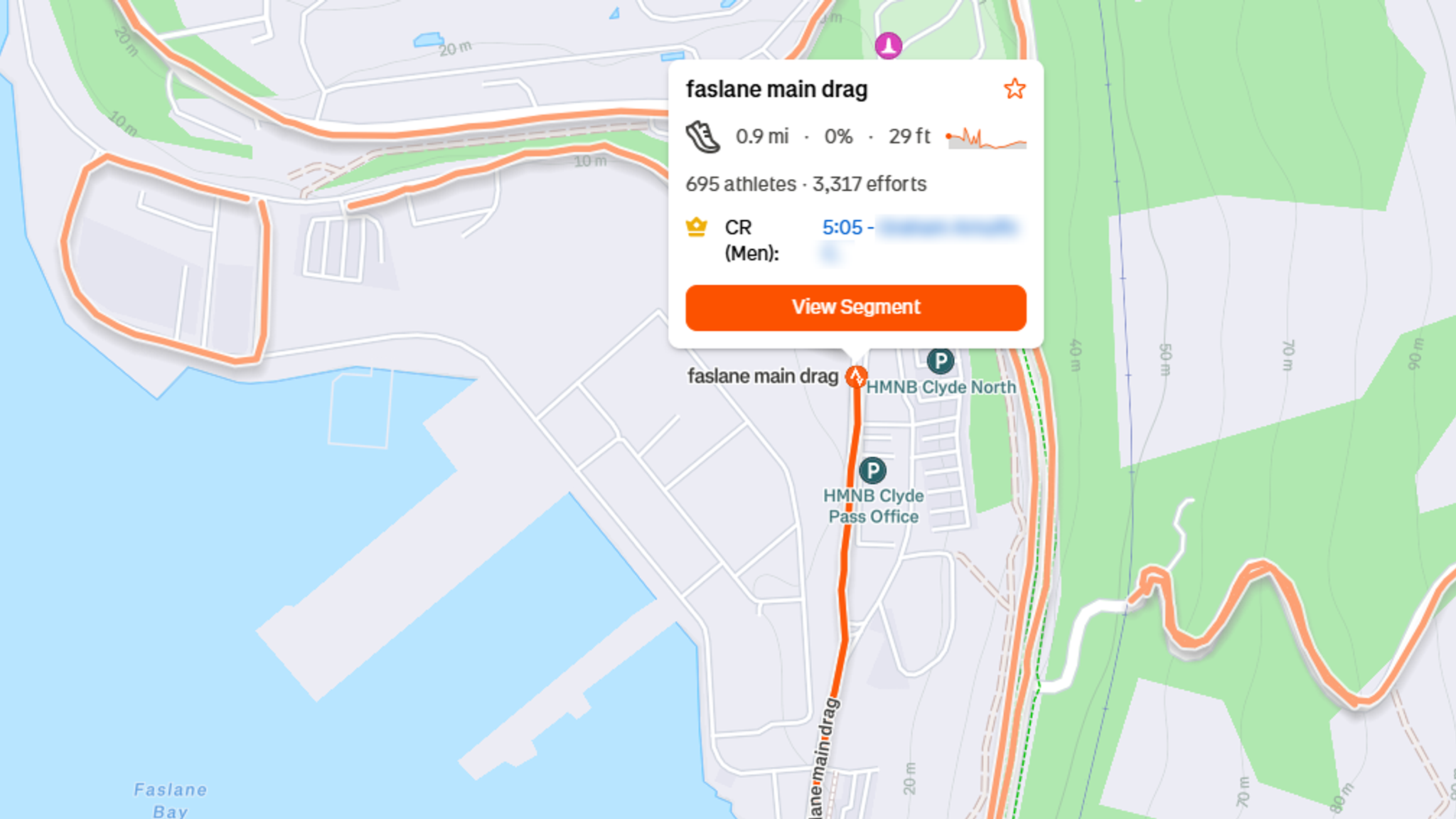
Ben Obese-Jecty, a Conservative Member of Parliament and former army officer representing Huntingdon, condemned the situation as “beggars belief.” He emphasized the risks posed by “sub-threshold activity” from foreign adversaries who could exploit such data for intelligence-gathering. Obese-Jecty highlighted that Strava includes privacy settings that could prevent such exposure, lamenting the military’s failure to enforce these precautions.
Security Implications and Official Responses
The exposure of sensitive sites through a publicly accessible app raises profound security concerns. Military bases like RAF Akrotiri in Cyprus and Diego Garcia in the Indian Ocean have also been identified through Strava data. Both locations have strategic importance and have been targets of retaliatory attacks, for example, from Iran amid escalating geopolitical tensions linked to US and Israeli actions.
The implications of this digital vulnerability are not merely theoretical. In March, a similar incident occurred with a French naval officer whose Strava-tracked run around the aircraft carrier Charles de Gaulle inadvertently revealed the ship’s position in the Mediterranean, a sensitive operational detail during the Iran conflict.
Despite these concerns, the Ministry of Defence (MoD) has downplayed the threat. A spokesperson stated that the use of fitness apps “is not an operational threat” and noted that the locations of military bases are already publicly known. However, the MoD confirmed ongoing efforts to provide security guidance to personnel regarding GPS-enabled applications and their potential risks.
“We take the security of our personnel very seriously and keep guidance for them under constant review,” the spokesperson affirmed, underscoring the importance of vigilance in the digital age.
Why This Matters: The Growing Challenge of Digital Security in the Military
This episode underscores the complex challenges modern militaries face in safeguarding classified information beyond traditional measures. The rise of consumer technology like GPS-enabled fitness apps creates new vulnerabilities that adversaries can exploit without sophisticated hacking—simply by analyzing publicly shared data.
Military personnel often engage in physical training during off-duty hours, sometimes unaware that their exercise routes could inadvertently map out base layouts, patrol paths, or even the locations of strategic assets. The ease of sharing such data publicly without fully understanding the consequences highlights a critical gap in operational security protocols.
For the UK Armed Forces, this incident serves as a wake-up call to tighten digital security awareness and enforce strict guidelines on the use of apps that collect location data. It also raises broader questions about balancing personal freedoms with national security in an era where everyday technologies intersect with military operations.
Addressing these risks requires continuous education, robust policy enforcement, and possibly technological solutions to monitor and restrict sensitive data sharing without impeding personnel’s personal activities.
Looking Ahead: Strengthening Security in a Connected World
The Strava revelations highlight a new front in the battle for military security—one fought not just on physical terrain but across digital landscapes shaped by everyday technology. As adversaries grow increasingly adept at leveraging open-source intelligence, the UK military must adapt swiftly to protect its most sensitive operations.
Ensuring that service members understand the risks of publicly sharing location data and providing them with effective tools and guidance will be vital steps toward mitigating these emerging threats. In an interconnected world, operational security extends beyond the barracks and battlefields into the apps and devices service members use daily.
Ultimately, this incident calls for a comprehensive reassessment of how military organizations manage digital footprints, balancing transparency, personal autonomy, and the imperative to safeguard national defense secrets.