

A serious data breach involving the British military compromised the personal information of thousands of Afghans who sought relocation, a parliamentary inquiry has revealed. The breach was described as a “foreseeable” failure, raising critical questions about the UK government’s handling of sensitive data and its impact on vulnerable individuals.
What Happened: The Data Breach Exposed
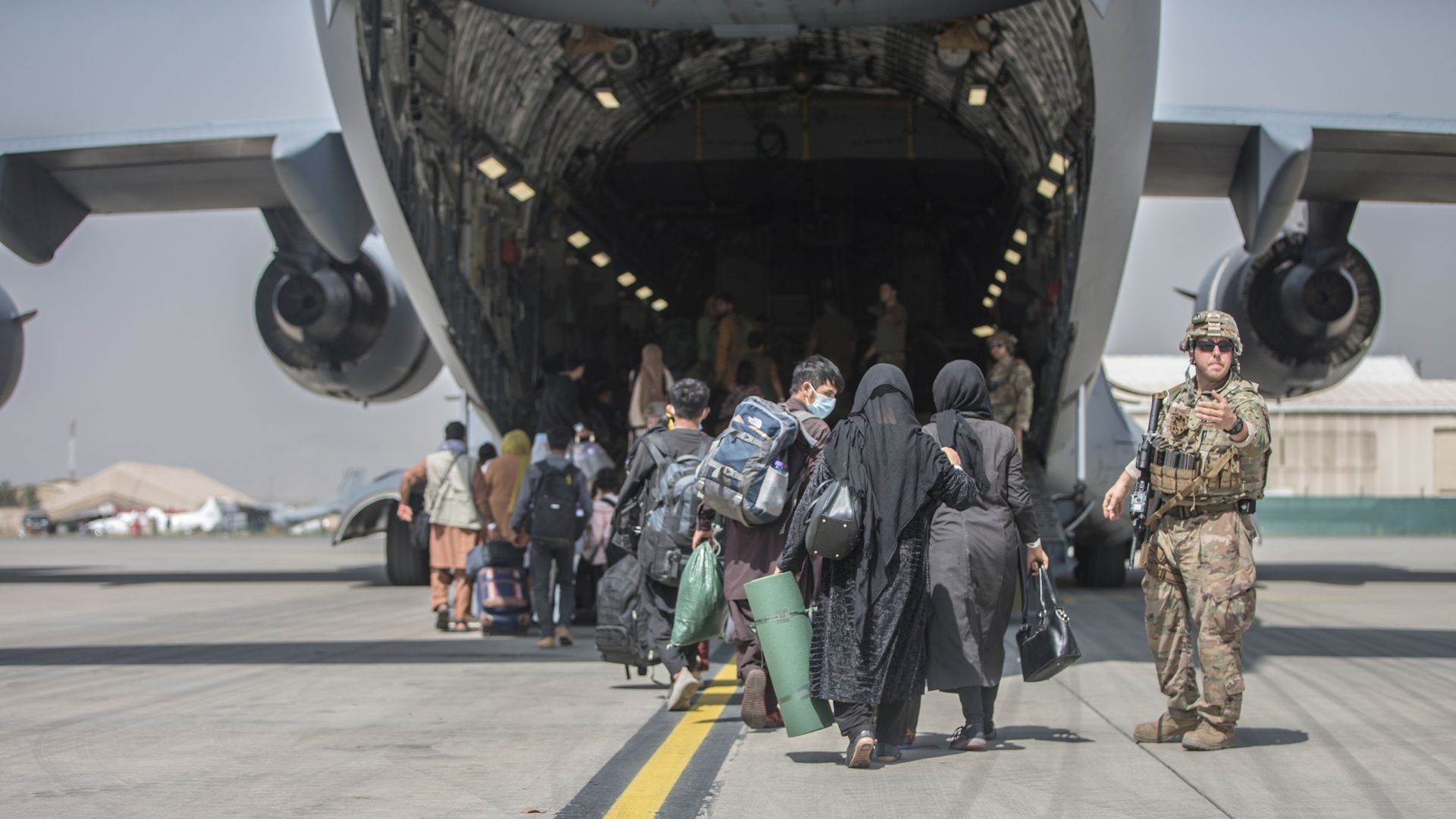
The UK military’s mishandling of personal details affected thousands of Afghan nationals who were part of relocation schemes designed to help them escape the dangers posed by the Taliban takeover. This breach exposed sensitive information including names, addresses, and other identifying data, putting many Afghans at heightened risk of retaliation or persecution.
According to the parliamentary inquiry, this massive security lapse was not a sudden or unexpected event. It was a “foreseeable” problem that should have been anticipated and prevented given the high stakes involved in protecting those who collaborated with British forces during the conflict in Afghanistan.
The inquiry criticized the military’s decision to continue running relocation programs despite clear vulnerabilities in their data protection protocols. This negligence, the report states, directly endangered the safety of the Afghans who trusted the UK for their resettlement and protection.
Why It Matters: The Human Cost and Accountability
The implications of this breach extend far beyond bureaucratic failure. Thousands of Afghans who worked alongside British troops, interpreters, and other local staff were reliant on the UK government’s promise of safety and confidentiality. The exposure of their personal data has potentially placed them in immediate danger from hostile actors, including the Taliban.
This breach undermines public trust in the UK’s commitment to protect its allies and raises serious ethical and operational questions about how relocation efforts are managed. For many Afghans, these schemes represented a lifeline and a chance to escape violence. The failure to safeguard their data jeopardizes those lives and risks the UK’s reputation as a reliable partner in international humanitarian efforts.
The parliamentary inquiry’s findings highlight a lack of adequate oversight and preparedness within the military’s data handling processes. It calls for urgent reforms to ensure that such failures do not recur and that all relocation programs incorporate robust security measures tailored to the unique risks faced by vulnerable populations.
What Comes Next: Lessons and Reforms Needed
In response to the inquiry, government officials and military leaders face mounting pressure to review and overhaul their data protection policies. Ensuring the safety of relocated individuals requires not only advanced technological safeguards but also transparent and accountable management practices.
Experts argue that this incident should serve as a wake-up call for all agencies involved in refugee and relocation programs. The complexity of protecting personal information in conflict zones demands specialized training, continuous risk assessments, and strong collaboration between military and civilian bodies.
Furthermore, the UK government must rebuild trust with Afghan allies and the broader international community. Demonstrating a commitment to learning from this breach and preventing future incidents will be essential to maintaining credibility in global humanitarian initiatives.
Final Takeaway: Protecting Lives Through Stronger Data Security
The UK military’s data breach was a grave and preventable failure with real-world consequences for thousands of Afghan lives. This episode underscores the critical importance of safeguarding personal information in conflict-driven relocation efforts. Moving forward, implementing rigorous data protection protocols and ensuring accountability will be vital to protecting vulnerable populations and honoring commitments made to those who risked everything to assist British forces.