

More than thirty British Members of Parliament have called on the UK government to impose sanctions on Israeli Prime Minister Benjamin Netanyahu and his justice minister, accusing them of overseeing the “torture” of Palestinian civilians. This unprecedented demand intensifies pressure on the British Foreign Secretary to take a firm stance against alleged human rights abuses in the Israeli-Palestinian conflict.
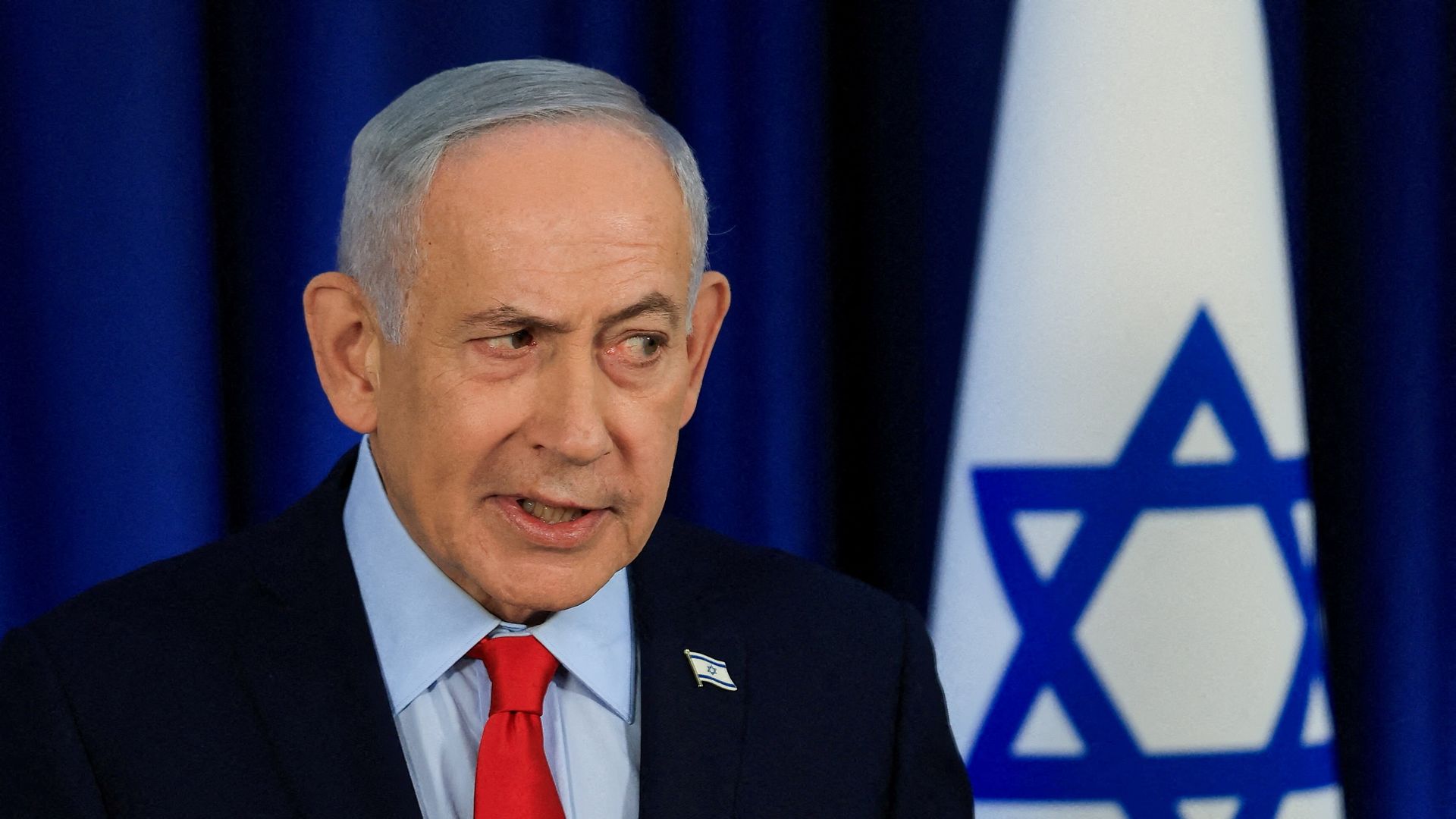
MPs Call for Accountability Amid Rising Tensions
The group of MPs, representing multiple parties, has formally urged the UK Foreign Secretary to hold Netanyahu and his justice minister accountable by implementing targeted sanctions. They argue these measures are necessary responses to credible reports of mistreatment and systemic torture inflicted upon Palestinians under Israeli authority.
These calls come amid ongoing international concern about the treatment of Palestinians in the West Bank, Gaza, and East Jerusalem. Allegations include physical abuse, arbitrary detention, and other forms of ill-treatment that many human rights organizations have flagged as violations of international law.
By demanding sanctions, the MPs emphasize the need for the UK to use its diplomatic and economic influence to deter further abuses. They contend that holding top Israeli officials personally responsible could send a powerful message that the UK does not tolerate violations of human rights, regardless of political alliances.
Context: The Israeli-Palestinian Conflict and UK Diplomacy
The Israeli-Palestinian conflict remains one of the most protracted and contentious geopolitical issues globally. Over decades, cycles of violence, occupation, and political stalemate have led to widespread suffering, particularly among Palestinian civilians.
Within this fraught landscape, accusations of torture and human rights abuses have repeatedly surfaced. International bodies and watchdog organizations have documented cases where Palestinian detainees reportedly endured harsh interrogation methods and inadequate legal protections. Critics argue that some Israeli government policies contribute to an environment where such abuses can occur unchecked.
The UK has traditionally played a complex role in Middle Eastern diplomacy, balancing strategic interests with commitments to human rights. While the British government has condemned violence on both sides, it has hesitated to take drastic measures against Israeli officials, reflecting broader geopolitical considerations and longstanding alliances.
Why Sanctions Matter and What Comes Next
Sanctions against high-profile figures like Netanyahu and his justice minister would mark a significant escalation in the UK’s approach to the Israeli-Palestinian conflict. Such punitive actions could include travel bans, asset freezes, and restrictions on financial transactions.
The MPs argue that these measures are vital not only as symbolic condemnation but also as practical tools to pressure Israeli leadership into ceasing abusive practices and engaging seriously in peace efforts. They contend that without accountability, the cycle of violence and repression is likely to continue, undermining prospects for a just resolution.
However, implementing sanctions against Israeli officials presents diplomatic challenges. The UK government must weigh the potential fallout on bilateral relations, regional stability, and international partnerships. Critics of sanctions warn they could inflame tensions or complicate peace negotiations.
Despite these concerns, the MPs’ intervention reflects growing frustration within the UK Parliament over perceived inaction and the urgent need to uphold international human rights standards.
Looking Ahead: A Critical Moment for UK Foreign Policy
This parliamentary call to sanction Netanyahu and his justice minister highlights a critical juncture in UK foreign policy towards the Middle East. As reports of Palestinian suffering persist, the UK faces mounting pressure to move beyond rhetoric and adopt concrete measures that promote justice and accountability.
Whether the Foreign Secretary will respond to the MPs’ demands remains uncertain. Yet, the debate underscores the broader global challenge of addressing human rights abuses amid complex geopolitical conflicts.
For the UK, the decision to sanction Israeli officials could redefine its role as a defender of human rights and influence the future trajectory of the Israeli-Palestinian conflict. The eyes of activists, diplomats, and international observers will be watching closely as events unfold.