

“I’ve had someone pull a knife on me outside the shop. Six times we’ve been broken into.” These stark words come from Vince Ayris, a 62-year-old cobbler and former boxer, whose shoe repair business on Swindon High Street has repeatedly fallen victim to crime. Despite his confidence in handling himself, the relentless thefts and break-ins fuel deep frustration among local shopkeepers, highlighting a widespread perception that criminals too often evade justice.

The Reality of Crime on Swindon High Street
Swindon’s Havelock Street mirrors many town centres across Britain—bustling yet vulnerable. Shop owners like Vince report a surge in shoplifting and other petty crimes. Vince has even established a “Meerkat” alliance among local businesses to share intelligence on thieves, underscoring the community’s proactive response to a growing problem.
“I would say shoplifting has gone up,” Vince explains. “We’re looking for support from the police to help and guide us because some of these thieves are violent as well.” His comments reflect a broader sentiment: respect for the police uniform has waned, and many feel law enforcement falls short in tackling everyday crimes.
Kelly Archer, owner of Rowen’s Closet Arcadia, echoes these concerns. She has had items like crystals and even wands stolen from her shop. “You won’t get good karma from a stolen wand,” she quips, while lamenting the scarcity of visible policing. “At the minute you barely see anybody on the street, and when you do, it’s like a miracle.”

What the National Crime Survey Reveals
Our exclusive national YouGov crime survey offers a comprehensive look at public attitudes toward policing across the UK. While over half the population expresses confidence in police investigations of serious offences such as violence and sexual crimes, confidence dramatically falls to just 14% when it comes to minor crimes like shoplifting.
This gap highlights a significant challenge for law enforcement: building trust in handling the day-to-day crimes that impact communities most directly. The survey found that only 40% of crime reporters were satisfied with police responses, while 50% were dissatisfied. For those who chose not to report crimes, the predominant reason was a belief that their complaints would not be investigated.
Swindon residents’ experiences mirror these statistics. One woman who reported a stolen purse from her car felt police efforts could have been stronger, citing possible CCTV footage that was never pursued. Meanwhile, supermarket staff describe “organised gangs” repeatedly targeting their premises, underscoring the scale and sophistication of retail crime.
Public Trust in Police Leadership vs. Officers
The survey also reveals a nuanced perspective on trust within the police force. While 62% of people trust front-line officers, this trust dips to 48% when it comes to senior police leadership. Many feel police spend insufficient time in local communities, a point echoed by officers themselves.
Voices from the Beat: Police Officers’ Perspectives
Police Constable Roshni Thapa has patrolled Swindon for four years. Despite facing verbal abuse and hostility, she remains undeterred and deeply committed to her role.
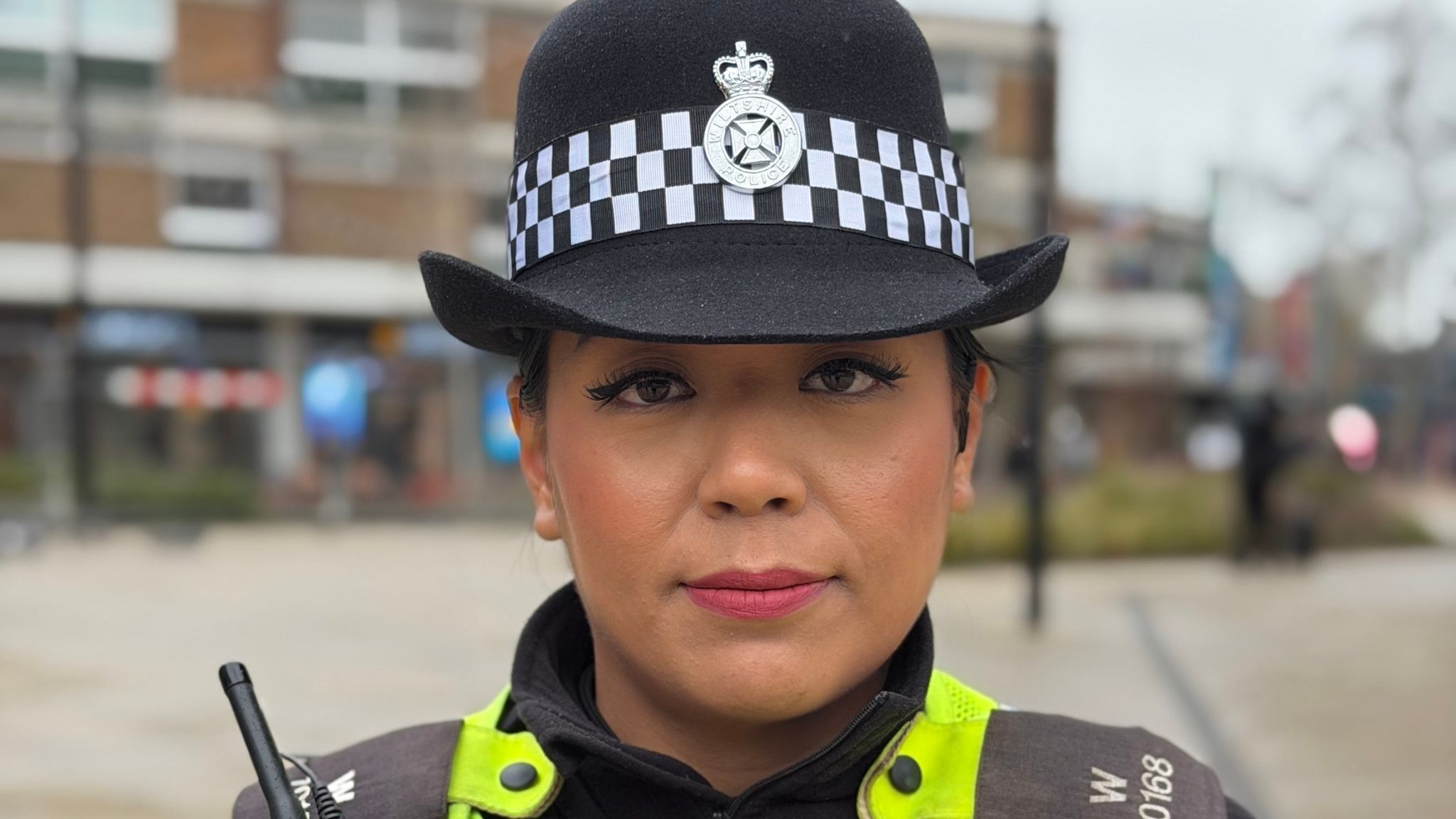
“I’m proud of my job,” PC Thapa says. “You will always have someone who speaks negatively about the police, but that’s not always the case. Many people appreciate and respect what we do.”
However, the survey shows only 29% of officers feel appreciated by the public, and 82% believe media portrayal skews public perception negatively. Officers also report feeling understaffed and overwhelmed by bureaucracy, which limits their ability to engage in community policing.
Asked if she wanted to spend more time on the beat, PC Thapa emphatically answered, “Of course, 1,000%. The frustration is that paperwork and administrative tasks keep us off the streets, not a lack of will.”
Despite these constraints, PC Thapa knows her community well and quickly responds when a stolen bike is reported nearby, embodying the dedication many officers bring to their roles.
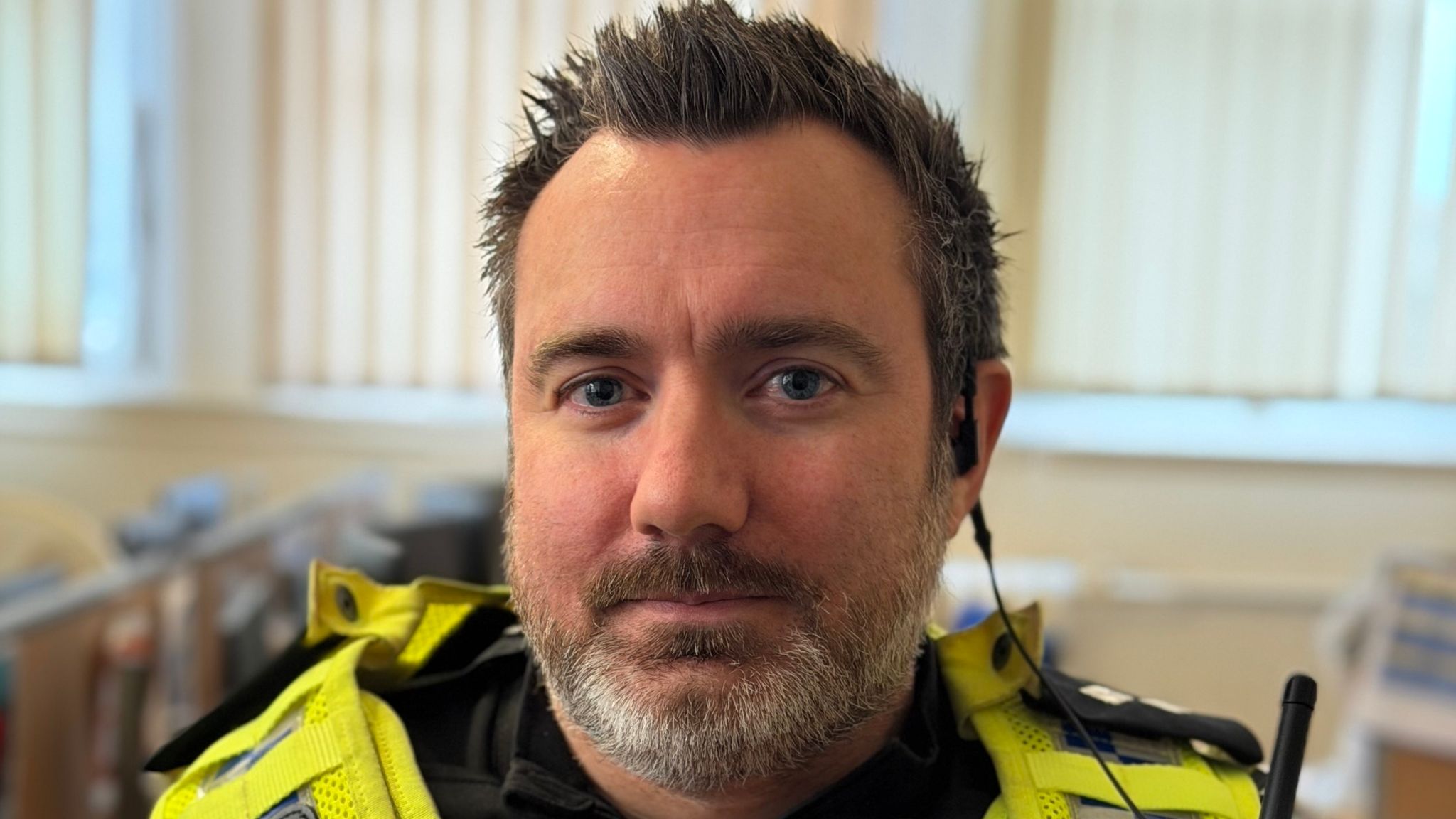
Acting Inspector Tristan Winter, with nearly two decades in policing, underscores the importance of addressing all crime levels seriously. “No crime is too small,” he stresses. “Taking care of lower-level crime can prevent bigger crimes. People working hard to earn a living shouldn’t be victimised by theft and abuse in shops.”
Why This Matters: The Future of Community Policing in the UK
The findings from Swindon’s high street and the national survey paint a complex picture of UK policing today. On one hand, officers demonstrate commitment and pride in their work despite challenging conditions. On the other, a gap persists between public expectations and police capacity, particularly concerning everyday crimes like shoplifting.
Restoring trust requires addressing resource shortages, cutting red tape, and increasing visible police presence in communities. For victims like Vince and Kelly, and countless others, effective policing means not just responding to major crimes but also protecting the fabric of daily life.
As crime patterns evolve, so too must policing strategies—balancing serious offence investigations with robust support for local businesses and residents. The future of UK policing hinges on bridging these divides to foster safer, more confident communities.