The United Kingdom is urgently moving to modernize its legal framework to better protect critical undersea pipelines and communication cables from sabotage. A government minister has highlighted that existing legislation, dating back to the 19th century, is woefully outdated and insufficient to deter increasingly sophisticated threats targeting these vital infrastructures.
Why Undersea Pipelines and Cables Matter
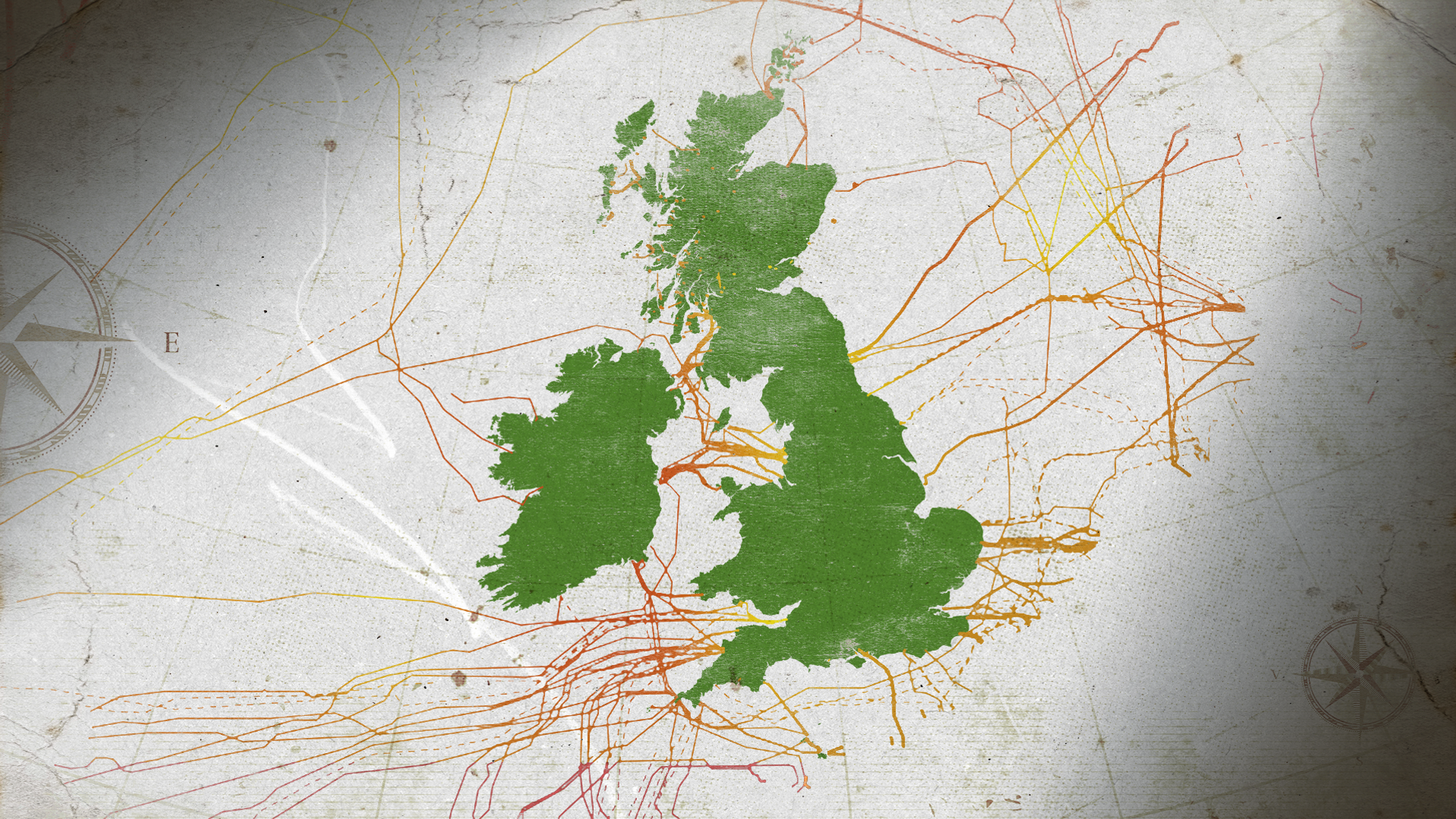
Undersea pipelines and cables form the backbone of the UK’s energy and communications networks. These underwater conduits transport vast quantities of natural gas, oil, and data, enabling everything from heating homes to facilitating internet connectivity. Disruptions to these critical assets can cause severe economic damage, jeopardize national security, and impact millions of people’s daily lives.
For instance, the UK’s undersea gas pipelines help meet a significant portion of the country’s energy demand. Meanwhile, undersea fiber-optic cables carry over 95% of international internet and telephone traffic. Any deliberate damage to these infrastructures could trigger widespread outages, energy shortages, and communication blackouts.
The Legal Void: Outdated Laws and Emerging Threats
Currently, the UK relies on laws enacted in the 1800s to address sabotage of maritime infrastructure. These antiquated statutes do not adequately reflect modern technological realities or the scale of threats posed by state and non-state actors. The minister emphasized that relying on such an old legal framework hampers effective prosecution and deterrence of attacks on undersea assets.
In recent years, geopolitical tensions and advances in underwater technology have increased the risk of deliberate interference with undersea pipelines and cables. State-sponsored actors have the capability to conduct covert operations, including cutting cables or damaging pipelines to disrupt energy supplies or communications. Non-state threats, such as terrorist acts or criminal sabotage, also pose significant risks that the outdated laws struggle to address.
The government recognizes that stronger, clearer, and more comprehensive legal protections are essential to safeguard these strategic assets. New legislation would aim to impose harsher penalties on offenders, enhance surveillance and monitoring powers, and improve coordination among security agencies.
What the Proposed Legal Reforms Could Entail
While full details of the proposed reforms have not been publicly disclosed, the minister indicated that the government is exploring measures to update and expand the scope of existing laws. These could include creating specific offenses targeting sabotage of undersea infrastructure, increasing penalties to reflect the severity of such attacks, and streamlining legal processes to enable swift action against perpetrators.
In addition to legislative changes, the government is likely to invest in technological solutions to better detect and respond to threats. This might involve deploying advanced underwater sensors, enhancing intelligence sharing, and strengthening partnerships with international allies who share similar vulnerabilities to undersea sabotage.
Protecting undersea pipelines and cables is a complex challenge that requires a multifaceted approach, combining legal reforms, security measures, and international cooperation. The UK’s proactive stance signals its commitment to securing critical infrastructure in an increasingly contested maritime environment.
Why This Matters for the UK and Beyond
Securing undersea pipelines and cables is not just a national security priority—it is also crucial for economic stability and public safety. Disruptions could lead to energy shortages during critical periods, hamper emergency communications, and undermine confidence in vital services.
Furthermore, as the global economy becomes more interconnected, protecting these underwater assets is essential to maintaining international trade and communication networks. The UK’s move to strengthen laws may also encourage other nations to follow suit, fostering a more robust global framework to deter and respond to undersea sabotage.
By addressing these legal gaps now, the UK aims to stay ahead of emerging threats and ensure the resilience of its critical maritime infrastructure for years to come.
In summary, the UK’s push to overhaul century-old laws targeting sabotage of undersea pipelines and cables represents a crucial step in defending national security and economic wellbeing. Strengthened legislation combined with enhanced technology and international collaboration will better shield these vital assets from modern threats, securing the country’s energy and communication lifelines.