

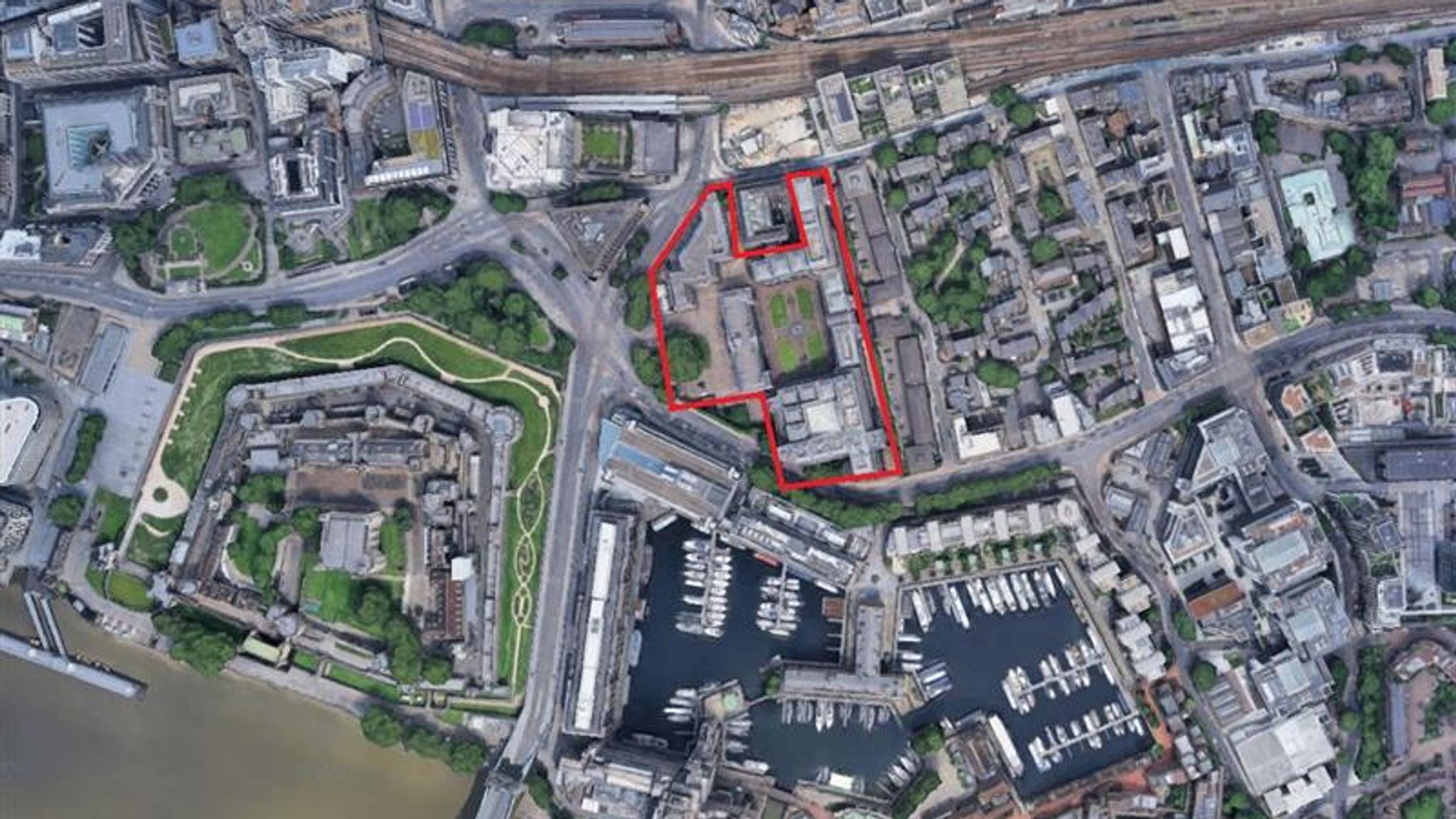
Residents of the Royal Mint Court estate in London are grappling with a startling reality: their homes may have been under Chinese diplomatic jurisdiction for over five years. The 100 flats, built in 1978 and situated on the site purchased by Beijing in 2018 for its new “super embassy,” are now subject to diplomatic laws that could severely restrict residents’ rights and access to services.

The Diplomatic Status of Royal Mint Court: What Happened?
The controversy erupted following a judicial review hearing where the UK government did not contest claims that the entire Royal Mint Court site, including the residential flats, has been designated as diplomatic land* since 2018. Diplomatic land, governed by the Vienna Convention on Diplomatic Relations, is considered inviolable. This means UK emergency services—police, fire brigades, and ambulances—cannot enter the premises without explicit permission from the embassy.
The government originally granted diplomatic consent for the site when then-Foreign Secretary Boris Johnson approved the sale to China in 2018. A leaked letter from Johnson to Chinese Foreign Minister Wang Yi confirmed the consent and assured Beijing that planning permission for the embassy would be granted. However, the letter does not clarify whether this consent extended to the residents’ flats or any related planning conditions.

Residents say they were never informed that their homes might be on diplomatic land and fear the implications for their personal safety and property rights. Mark Nyegate, treasurer of the Royal Mint Court Residents Association, described the revelation as a “shock.” He expressed deep concerns about the potential for eviction and the ability to enforce planning regulations on what may legally be Chinese territory within London.

Why This Matters: Safety, Rights, and Property Value
Living on diplomatic land means that local UK laws and protections may no longer apply. Residents worry that emergency services cannot respond without embassy approval, raising serious safety concerns. If the embassy controls access, residents could face unprecedented restrictions on their daily lives. The prospect of being effectively governed by foreign diplomatic rules within London has left many feeling vulnerable and uncertain about their future.
Property rights are also in question. If the flats fall under Chinese diplomatic jurisdiction, selling or even occupying these homes could become legally complicated. Nyegate voiced fears that residents might be forced to leave without recourse, stating, “What’s to say tomorrow morning they just say ‘you’re moving off’?”
Luke de Pulford, co-founder of the Inter-Parliamentary Alliance on China and supporter of the residents’ judicial review, called the government’s failure to notify residents “absolutely outrageous.” He highlighted the opaque nature of the deal and the broader implications for transparency and accountability in UK-China relations.

Concerns Over Planning Permissions
The UK government granted planning permission for the new embassy in January but attached several conditions intended to regulate the site’s development and interactions with existing residents. However, enforcing these conditions may prove impossible if the land is under diplomatic immunity.
Under diplomatic law, enforcing planning regulations on inviolable land would require the UK government to take drastic diplomatic steps, such as declaring Chinese diplomats persona non grata or expelling the embassy entirely. Such actions could provoke a major diplomatic conflict with China, a country the UK government is keen to maintain positive relations with.
Voices from the Community and Activists
The situation has drawn criticism not only from residents but also from Hong Kong activists. Chloe Cheung, advocacy manager at the Committee for Freedom in Hong Kong Foundation, revealed she and other protesters had unknowingly demonstrated on what is effectively Chinese sovereign territory.
Cheung described the lack of transparency as dangerous, saying, “People took those risks without informed consent.” She emphasized the government’s responsibility to be transparent when negotiating arrangements with Beijing, particularly given the political sensitivity surrounding Hong Kong.

What Comes Next?
The government has so far declined to comment on the ongoing legal proceedings, and the Chinese embassy has not responded to inquiries. Residents continue their judicial review, demanding clarity on their legal status and safeguards for their safety and property rights.
This case sets a precedent for how diplomatic land agreements intersect with the rights of existing residents. It raises urgent questions about transparency, sovereignty, and the balance between diplomatic relations and protecting citizens’ rights within the UK.
Why This Matters for London and Beyond
The Royal Mint Court controversy highlights a rare but significant clash between international diplomacy and domestic civil rights. It underscores the need for governments to clearly communicate the implications of diplomatic deals to affected citizens, ensuring their rights and safety are not compromised.
As global geopolitics increasingly influence urban spaces, residents and policymakers alike must grapple with how to protect local communities while navigating complex international agreements.
For the residents of Royal Mint Court, the question remains: how do you defend your rights when you might be living on foreign diplomatic soil in the heart of London?