The UK government has imposed stringent sanctions on fifteen senior Sudanese military commanders accused of orchestrating a brutal campaign of sexual violence amid the country’s ongoing conflict. These sanctions target top figures from both the paramilitary Rapid Support Forces (RSF) and the Sudanese Armed Forces (SAF), holding them responsible for egregious human rights abuses including widespread rape, massacres, and other atrocities.
Who Are the Sanctioned Commanders and What Are They Accused Of?
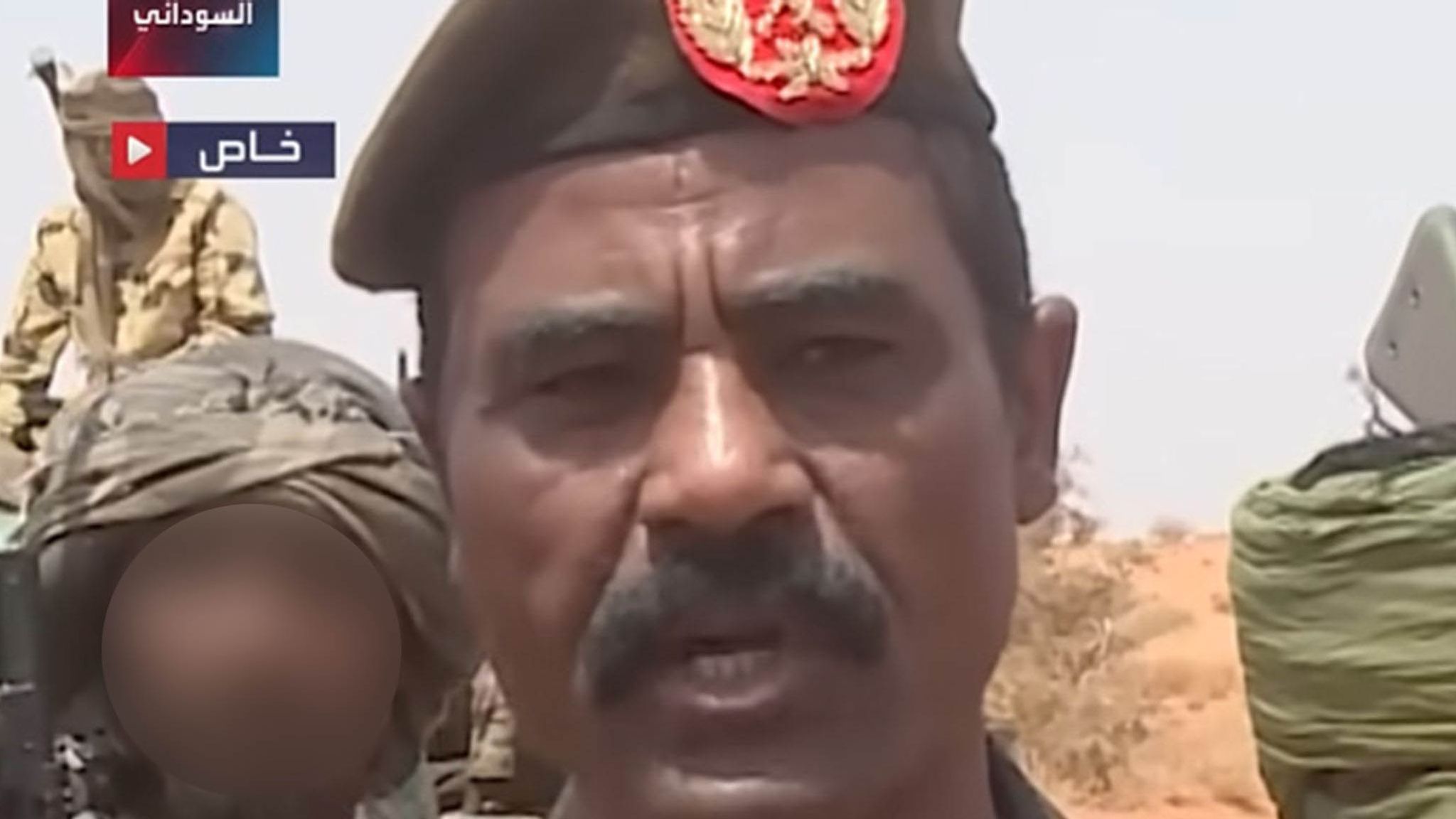
The list of sanctioned individuals includes prominent leaders such as Hussein Abu Jalak, an RSF colonel tied to violent operations during the prolonged siege of Al Fashir, and Al-Nour Ahmed Adam, known by the nom de guerre “Al-Qubba,” who played a critical role in the same siege. The UK’s sanctions impose travel bans and freeze assets, aiming to cut off these commanders’ ability to evade accountability or benefit financially from their actions.
The siege of Al Fashir, which lasted 18 months and ended in October 2025, devastated the city’s population and economy. Once a vital agricultural hub, Al Fashir was subjected to starvation tactics and brutal attacks that led to its fall to the RSF paramilitary forces. The United Nations released a harrowing fact-finding report in February, revealing that at least 6,000 people were killed within just three days during the RSF takeover — a campaign the UN described as bearing “the hallmarks of genocide.”
The UN Human Rights Office documented over 4,400 deaths inside Al Fashir between 25 and 27 October 2025, with an additional 1,600 killed while attempting to escape the violence. The 29-page report laid bare a litany of atrocities including mass executions, widespread sexual violence, abductions for ransom, torture, and enforced disappearances.
Broader Implications: Atrocities Beyond Al Fashir
The UK government’s sanctions also extend to commanders linked to violence at the Zamzam internally displaced persons camp and figures connected to massacres and civilian abuses in Sudan’s Gezira State. These actions underscore an ongoing pattern of systematic abuse by both the RSF and SAF across multiple conflict zones.
This announcement follows investigative reporting funded by the UK and conducted by the Centre for Information Resilience (CIR). Their findings exposed a deliberate strategy of starvation and sexual violence targeting civilians from all sides in Sudan’s conflict. The Foreign, Commonwealth and Development Office (FCDO) emphasized that these brutal tactics persist, with new CIR reports confirming continued deployment of these inhumane methods throughout Sudan.
The CIR investigations revealed chilling accounts of women and girls abducted, subjected to repeated rape, and held in conditions tantamount to sexual slavery — a grim testament to the weaponization of sexual violence in the war.
UK’s Humanitarian Response and Political Stance
In response to the crisis, the UK government has pledged £5 million specifically to support survivors of conflict-related sexual violence in Sudan. An additional £10 million will aid broader humanitarian relief efforts as the country faces a rapidly deteriorating situation.
Foreign Secretary Ed Miliband condemned the ongoing atrocities, stating, “The war in Sudan has created a humanitarian catastrophe. A year on from the atrocities in El Fasher, UK-funded investigations have shown that rape and starvation are still being weaponised against the people of Sudan. These are crimes against our humanity — the perpetrators must be held accountable and support from all external backers to the warring parties must end.”
Why These Sanctions Matter
The UK’s sanctions represent a significant step in confronting the widespread impunity enjoyed by senior military figures implicated in Sudan’s conflict crimes. By targeting individuals responsible for orchestrating violence, the UK aims to deter further abuses and send a clear message that the international community will not tolerate war crimes, especially those involving sexual violence and genocide.
Sudan’s conflict has displaced millions and devastated communities, with civilians bearing the brunt of the violence. The continuing use of starvation and sexual violence as weapons undermines prospects for peace and prolongs the humanitarian crisis. The UK’s financial commitments to survivors and humanitarian aid highlight the urgent need to address both immediate relief and long-term justice.
As investigations continue and international pressure mounts, these sanctions could catalyze broader accountability measures, encouraging other nations and institutions to take decisive action against perpetrators in Sudan. However, the path to justice remains complex, requiring sustained global attention and cooperation.
In conclusion, the UK’s sanctions mark a pivotal moment in the international response to Sudan’s conflict, emphasizing accountability for war crimes and a commitment to supporting victims. The world watches closely as Sudan’s crisis unfolds, hoping for a resolution that ends suffering and restores peace.