

The United Kingdom has escalated its terror threat level to severe following a violent stabbing attack targeting two Jewish men in north London’s Golders Green. Authorities urge the public to remain vigilant amid growing concerns of targeted violence, while Iran vehemently denies any role in recent attacks on British Jewish communities.
What Happened: The Golders Green Stabbing and Rising Threat
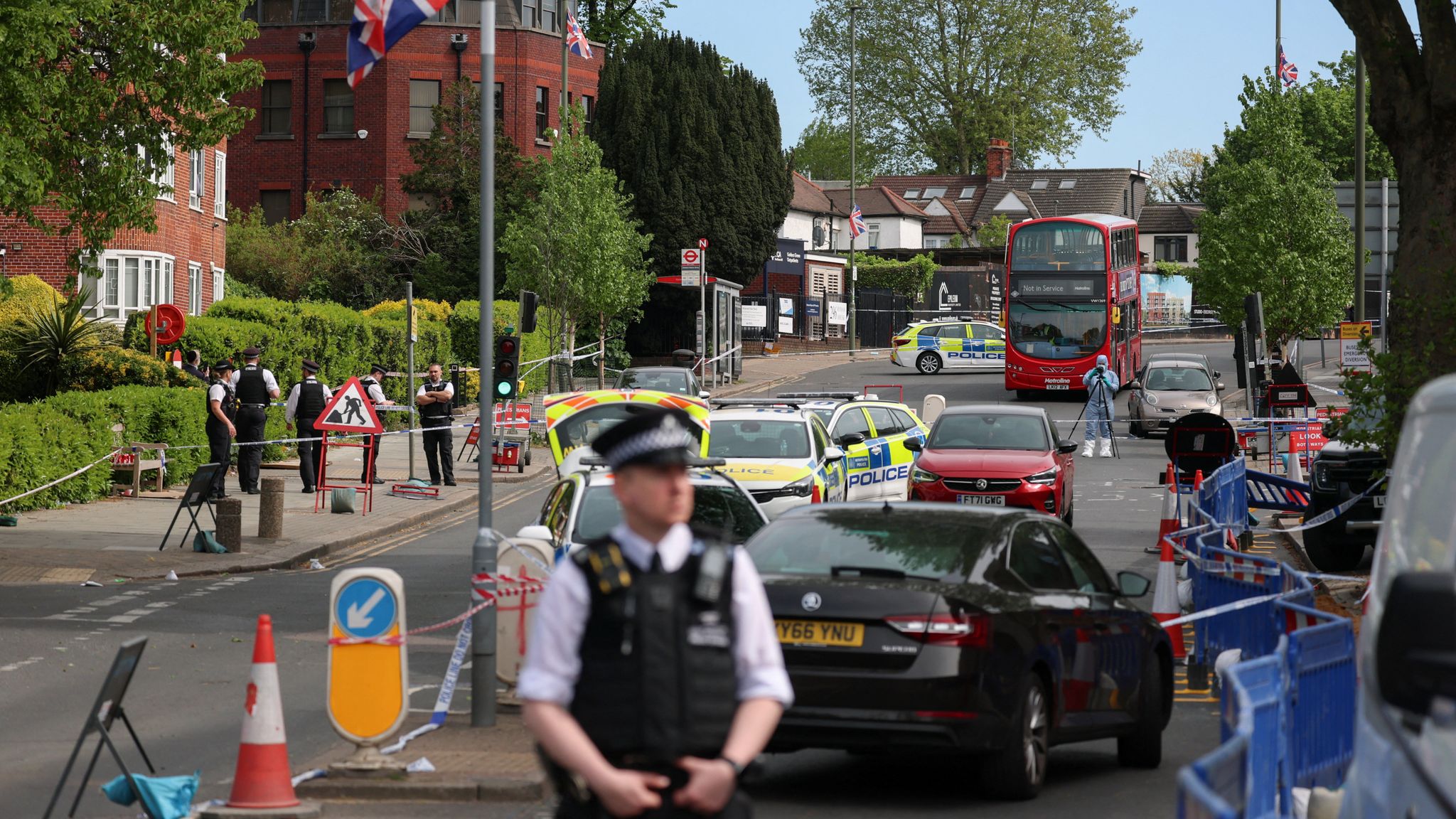
On a tense day in London, two Jewish men—Shilome Rand, 34, and Moshe Shine, 76—were hospitalized after being stabbed in what police have officially declared a terrorist incident. The attack took place in Golders Green, an area with a significant Jewish population, heightening community fears.
Essa Suleiman, a 45-year-old British citizen born in Somalia, now faces two counts of attempted murder and one count of possession of a bladed weapon related to the Golders Green incident. He was also charged with attempted murder in connection with another stabbing in Southwark earlier the same day.
Mr Rand, who has since been discharged from hospital, called on Prime Minister Rishi Sunak to take decisive action to protect Jewish communities, referencing a troubling trend of attacks against these populations across the UK.
Counter-terrorism policing chief Laurence Taylor emphasized that the nation has experienced a “gradual increase in terrorist threats” fueled by both Islamist and extreme right-wing terrorism. In response, the threat level has been raised from “substantial” to “severe”—the second-highest rating indicating that an attack is highly likely within the next six months.
Why the Threat Level Matters and Broader Context
The UK’s terror threat level system ranges from low to critical, guiding government security measures and public awareness. Raising the level to “severe” signals that authorities expect imminent danger and necessitates increased vigilance among the public and law enforcement.
This escalation comes amid a spate of attacks targeting Jewish sites across London, including a series of arson attempts on synagogues and Jewish community buildings. Metropolitan Police deputy assistant commissioner Vicki Evans described these fires as “similar in nature,” suggesting a coordinated pattern of hostility.
Counter-terror police are actively investigating possible links to state-sponsored actors, specifically Iranian proxies. Mr. Taylor noted that officers are confronting “threats by state-linked actors,” reflecting growing concern over foreign interference in domestic terrorism.
Iran’s Denial and Political Implications
The Iranian embassy in the UK issued a strong denial, “categorically rejecting” any allegations of involvement in violent acts on British soil. The embassy labeled such accusations “baseless” and politically motivated, pointing to prior warnings about potential “false flag” operations designed to misattribute blame and justify retaliation.
During a visit to Golders Green, Labour leader Sir Keir Starmer called for enhanced government powers to counter malign influences from states like Iran, which he said pose a threat to British Jews. His remarks came amidst heckling from protesters, illustrating the charged atmosphere surrounding the issue.
Home Secretary Shabana Mahmood cautioned that investigations are ongoing and it remains too early to definitively link the Golders Green attacker to Iran. Meanwhile, authorities are reviewing whether upcoming pro-Palestinian demonstrations, such as the planned May 16 Nakba Day march organized by the Stop the War Coalition, should face restrictions. The group vehemently denies any connection between the marches and the recent violence.
What This Means: Heightened Security and Community Impact
The elevation of the terror threat level to severe reflects a critical juncture in UK security policy, especially concerning the protection of minority communities vulnerable to hate-motivated violence. Jewish populations in London and beyond now face increased risks from individuals and potentially state-supported actors with extremist agendas.
Authorities must balance civil liberties with the imperative to prevent further attacks, a challenge complicated by the geopolitical tensions involving Iran and the Middle East. The government’s response, including potential legal reforms and enhanced police powers, will shape the landscape of domestic counter-terrorism for months ahead.
For communities like those in Golders Green, the message is clear: remain alert and vigilant, but avoid panic. The recent incidents underscore the urgent need for cohesive security strategies, effective intelligence sharing, and community engagement to safeguard all citizens against evolving threats.