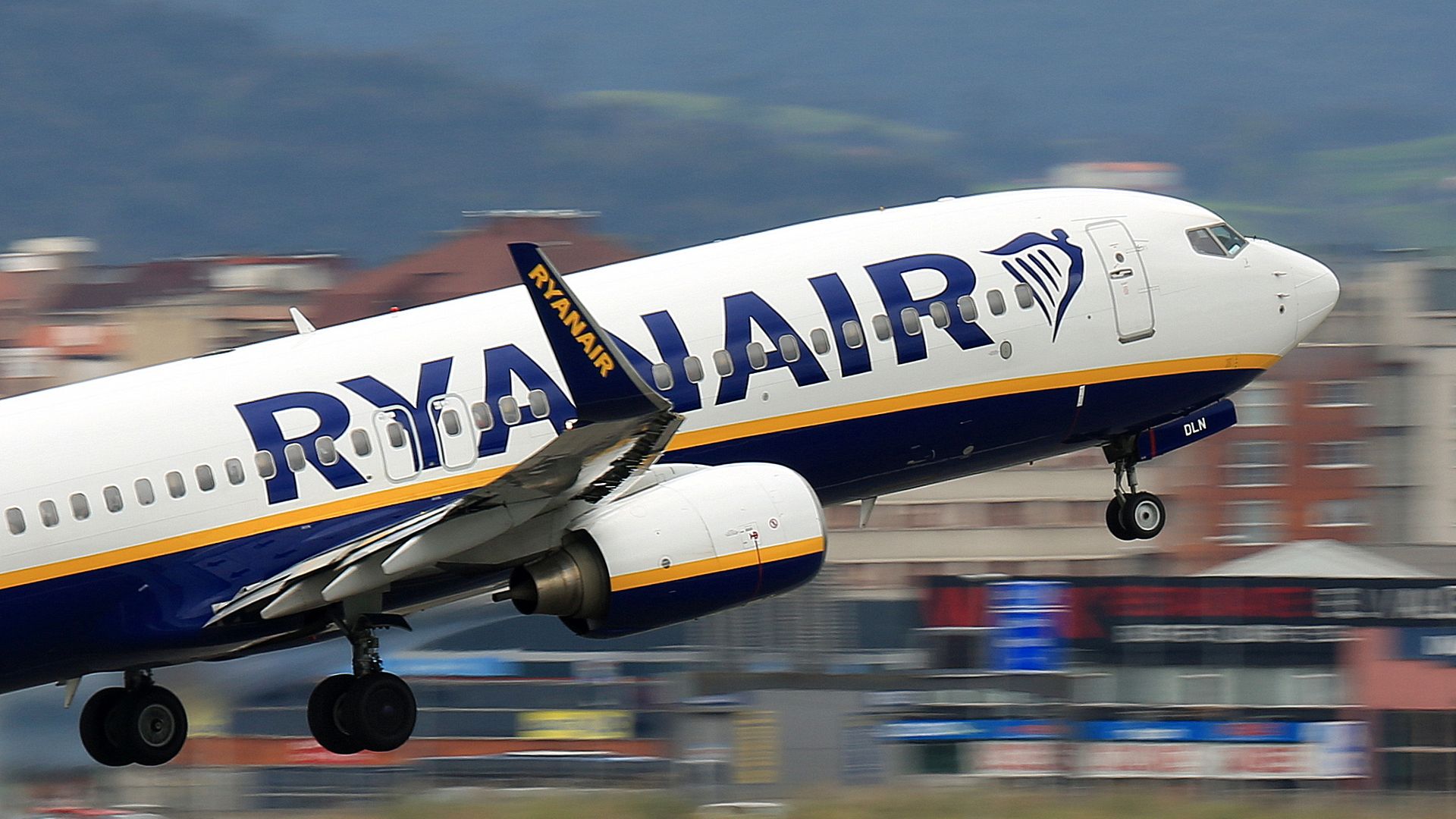
Europe’s biggest airline is currently under investigation by the UK’s Competition and Markets Authority (CMA) for a controversial policy that charges parents extra fees to sit next to their own children during flights. This inquiry highlights growing concerns over airline seating practices and customer rights, especially for families traveling with young kids.
What Sparked the Investigation?
The CMA launched this probe after receiving numerous complaints from parents who were required to pay additional fees to ensure their children were seated beside them. This policy has sparked widespread outrage among travelers, as it directly impacts families’ ability to remain together during flights. The airline, which holds the position as Europe’s largest by passenger numbers, implemented this seating fee policy as part of its broader revenue management strategy.
Parents have reported situations where, despite booking seats in advance, they were charged to guarantee proximity to their children. For families with young or vulnerable children, being separated on a flight can cause significant distress and logistical challenges. Critics argue that charging for family seating prioritizes profits over customer welfare.
Why This Matters: Family Travel and Consumer Rights
Air travel is already a stressful experience for many families, especially those with infants or toddlers. Children require constant supervision, and separation during a flight can increase anxiety for both parents and kids. The airline’s policy not only undermines the comfort and safety of families but also raises ethical questions about fairness and transparency in airline pricing.
The CMA’s role is to protect consumers from unfair business practices, and this investigation could lead to new regulations or enforcement actions against airlines that exploit captive customers, particularly vulnerable groups such as parents traveling with children. If the airline is found to have breached competition laws or consumer protection standards, it might face fines or be forced to change its seating policies.
Furthermore, this case shines a light on broader issues within the airline industry, where ancillary fees and add-ons have become a major revenue source. While airlines argue these fees allow them to offer lower base fares, critics contend they create hidden costs that disproportionately affect families and less affluent travelers.
What Comes Next: Potential Outcomes and Industry Impact
The CMA investigation is ongoing, and the airline has not yet announced any changes to its seating policy. However, the outcome could set a significant precedent for how airlines handle family seating arrangements across Europe and potentially beyond. Regulators may demand clearer communication about fees and stricter rules ensuring families can sit together without punitive charges.
For travelers, this inquiry may encourage greater scrutiny of airline policies and empower consumers to demand fair treatment. It could also prompt other airlines to reevaluate their practices to avoid similar regulatory attention. Family-friendly travel policies are likely to become a key competitive factor for airlines seeking to improve customer loyalty and brand reputation.
In the meantime, parents planning flights should carefully review airline seating rules and fees and consider contacting consumer protection groups if they encounter similar issues. The investigation underscores the importance of transparency and fairness in air travel—a sector where customer trust is crucial.
Takeaway: Why This Investigation Matters for Families and Air Travel
Charging parents to sit with their children during flights is more than just a frustrating policy — it impacts the safety, comfort, and dignity of family travel. The UK’s CMA investigation into Europe’s largest airline shines a spotlight on the need for airlines to balance profitability with responsibility toward their passengers. As the inquiry unfolds, families and travelers worldwide will be watching closely to see whether this practice is curtailed and new consumer protections are established.
This case reflects a broader challenge in the airline industry: how to generate revenue without compromising the customer experience. The ultimate resolution could influence seating policies, pricing transparency, and regulatory oversight across the sector, helping ensure that families can travel together without facing unfair financial penalties.