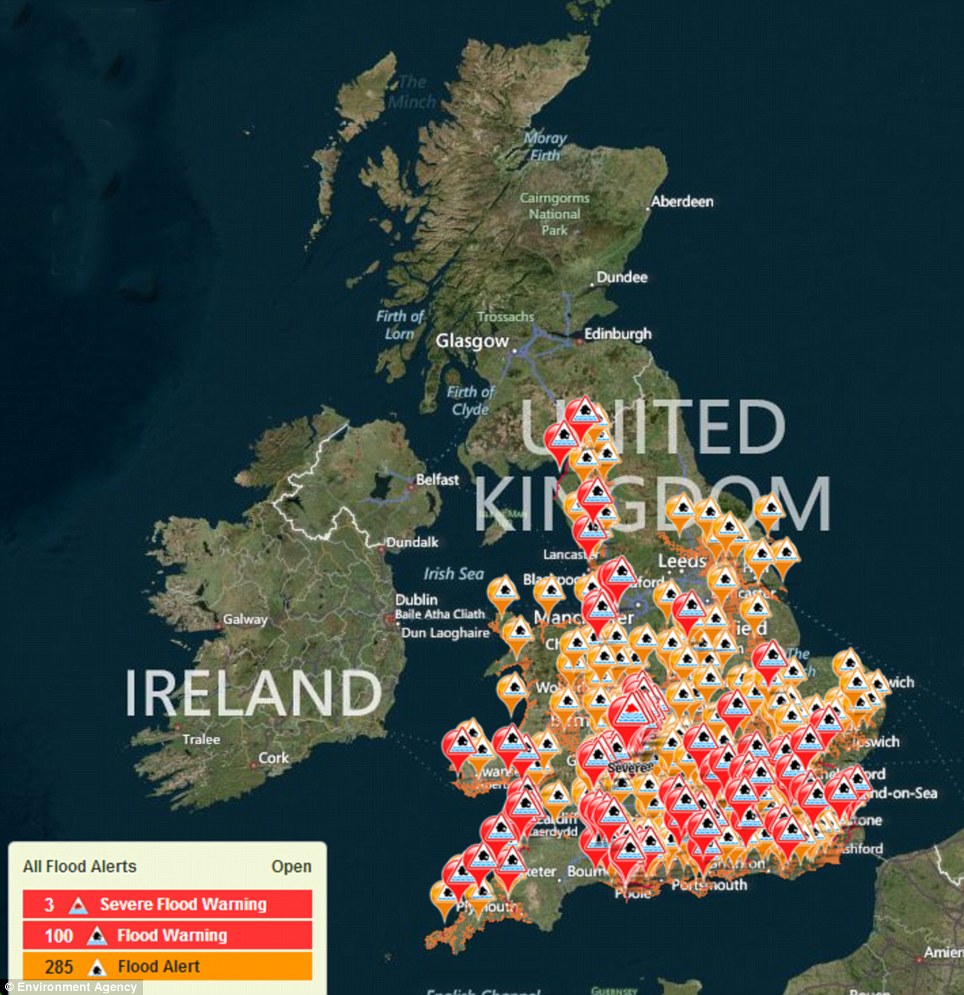
A formidable Atlantic storm has unleashed devastating impacts across the United Kingdom, claiming lives, disrupting travel, and triggering the most severe flooding along England’s east coast in six decades. This unprecedented weather event has tested emergency services, infrastructure, and communities, revealing vulnerabilities and resilience in equal measure.
The Unfolding Storm: Winds, Floods, and Fatalities
Powerful hurricane-force winds swept southward from Scotland, bringing gusts exceeding 142 miles per hour in the rugged, mountainous regions of Aberdeenshire and Inverness-shire. These violent gales tore through the countryside, uprooting trees and tearing down power lines, leaving over 100,000 homes without electricity nationwide.
Tragically, the storm claimed two lives. In Nottinghamshire, a man was fatally struck by a falling tree in a park in Retford. Meanwhile, in West Lothian near Bathgate, a lorry driver died when his heavy goods vehicle was blown onto two cars on the A801 road. The accident also left four others injured, highlighting the perilous conditions on the roads.
” alt=”A property collapsed into the sea due to cliff erosion at Hemsby” style=”display:block; margin:1em auto;”>
Across Newcastle city centre, the River Tyne overflowed its banks, inundating streets and triggering severe flood warnings issued by the Environment Agency. These warnings indicated life-threatening rising waters, particularly for the vulnerable eastern coastal regions.
” alt=”Flooded streets in Newcastle after the River Tyne burst its banks” style=”display:block; margin:1em auto;”>
Evacuations and Emergency Responses Along the East Coast
Authorities ordered the evacuation of thousands of homes across Norfolk, Suffolk, Essex, and Kent amid fears of a storm surge potentially surpassing the catastrophic 1953 floods. That historic disaster devastated the east coast of England, claiming hundreds of lives and inflicting widespread destruction.
Since 1953, significant investments in flood defences, including the Thames Barrier and Hull tidal surge barrier, have bolstered protection for many areas. However, experts warned that some coastal defences could be overwhelmed, “overtopped”, due to the combined forces of high tides, intense winds, and an unusually large tidal surge.
In Norfolk alone, approximately 9,000 homes faced evacuation orders. Military personnel were deployed to assist with flood defence efforts, underscoring the seriousness of the situation.
” alt=”Coastguard inspecting flooded vehicles in Great Yarmouth” style=”display:block; margin:1em auto;”>
Local residents shared their experiences amid the crisis. Allan Urquhart, a seafront resident in Blakeney, recounted using a rowing boat to collect a friend from a local pub, preparing to remain in an upper floor of his home to ride out the floods. He described it as the worst flooding he had witnessed, expressing cautious optimism bolstered by sandbag defences.
Evacuations extended into Suffolk, where another 1,000 homes were affected, and in Jaywick near Clacton-on-Sea, Essex, residents were urged to leave their homes immediately. Emergency accommodation centers opened, and sandbags were distributed to help residents safeguard their properties. In Humberside, police declared an emergency as they braced for further coastal surges.
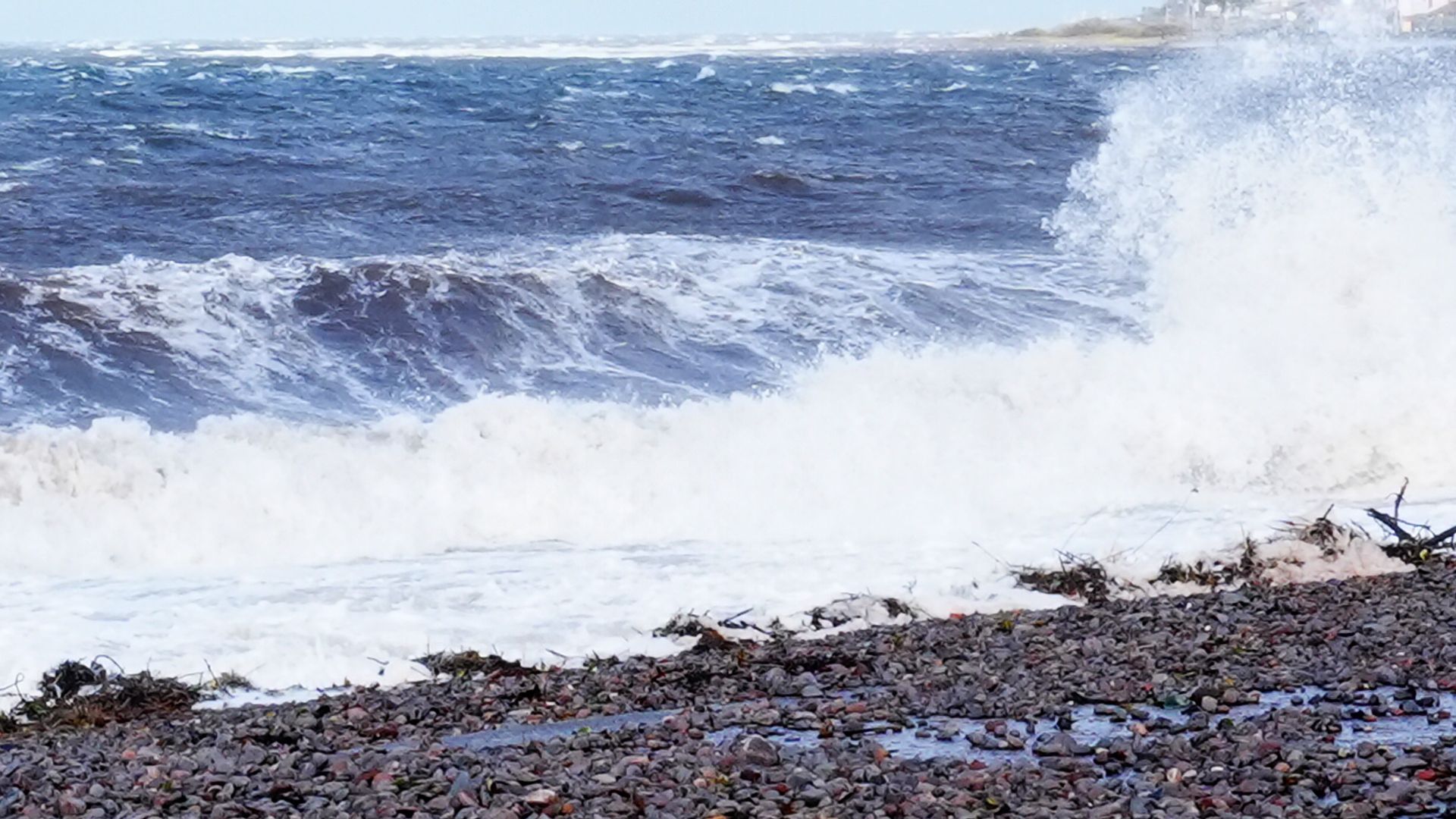
Further west, in Rhyl, North Wales, lifeboats rescued residents from flooded homes, highlighting the storm’s widespread impact beyond England’s east coast. A local school also evacuated students due to rapidly rising waters.
” alt=”Large wave crashing on the seafront in Rhyl” style=”display:block; margin:1em auto;”>
Nationwide Disruptions: Power Outages and Transport Chaos
The storm’s reach extended across the UK, affecting regions from Northern Ireland to northern Scotland. Approximately 1,400 homes in Northern Ireland lost power, while Scottish Hydro Electric reported outages to more than 80,000 properties, especially in the Highlands, Tayside, and Argyll. Efforts to restore power have succeeded for around 33,000 homes at the time of reporting.
Transportation networks ground to a halt as safety concerns grew. Rail services across Scotland and northern England were suspended early Thursday morning after Network Rail detected debris on tracks and damage to critical equipment. Passengers were instructed to disembark at the nearest stations, with no immediate resumption of service.
Air travel also suffered delays and cancellations due to the severe weather. On roads, fallen trees, flash floods, and minor accidents caused widespread disruption. Emergency responders worked tirelessly to clear obstructions and assist stranded motorists. The storm’s timing during winter has compounded the challenges faced by commuters and emergency personnel alike.
” alt=”Flooded bus stranded in New Brighton, Merseyside” style=”display:block; margin:1em auto;”>
Why This Storm Matters and What Lies Ahead
This storm has served as a stark reminder of the UK’s vulnerability to extreme weather, particularly in the context of rising sea levels and changing climate patterns. The intensity and scale of the flooding have tested longstanding flood defences and emergency preparedness systems built since the mid-20th century.
The 1953 floods remain a somber historical benchmark, and while modern infrastructure has improved safety, this event underscores the ongoing need for investment in resilient coastal defences and effective evacuation protocols. It also highlights the importance of community readiness, as residents like Allan Urquhart adapt quickly to protect themselves and their neighbours.
Looking forward, meteorologists predict continued severe weather across northern Europe, with tidal floods expected in Germany and Scandinavia, accompanied by freezing winds originating from Greenland. These conditions call for heightened vigilance and coordination among emergency services across the region.
In conclusion, this storm’s impact on the UK has been profound: from tragic loss of life and widespread power failures to historic flooding and transport paralysis. It challenges communities, authorities, and policymakers alike to reflect on how to better prepare for and mitigate the effects of such extreme weather events in the future.