

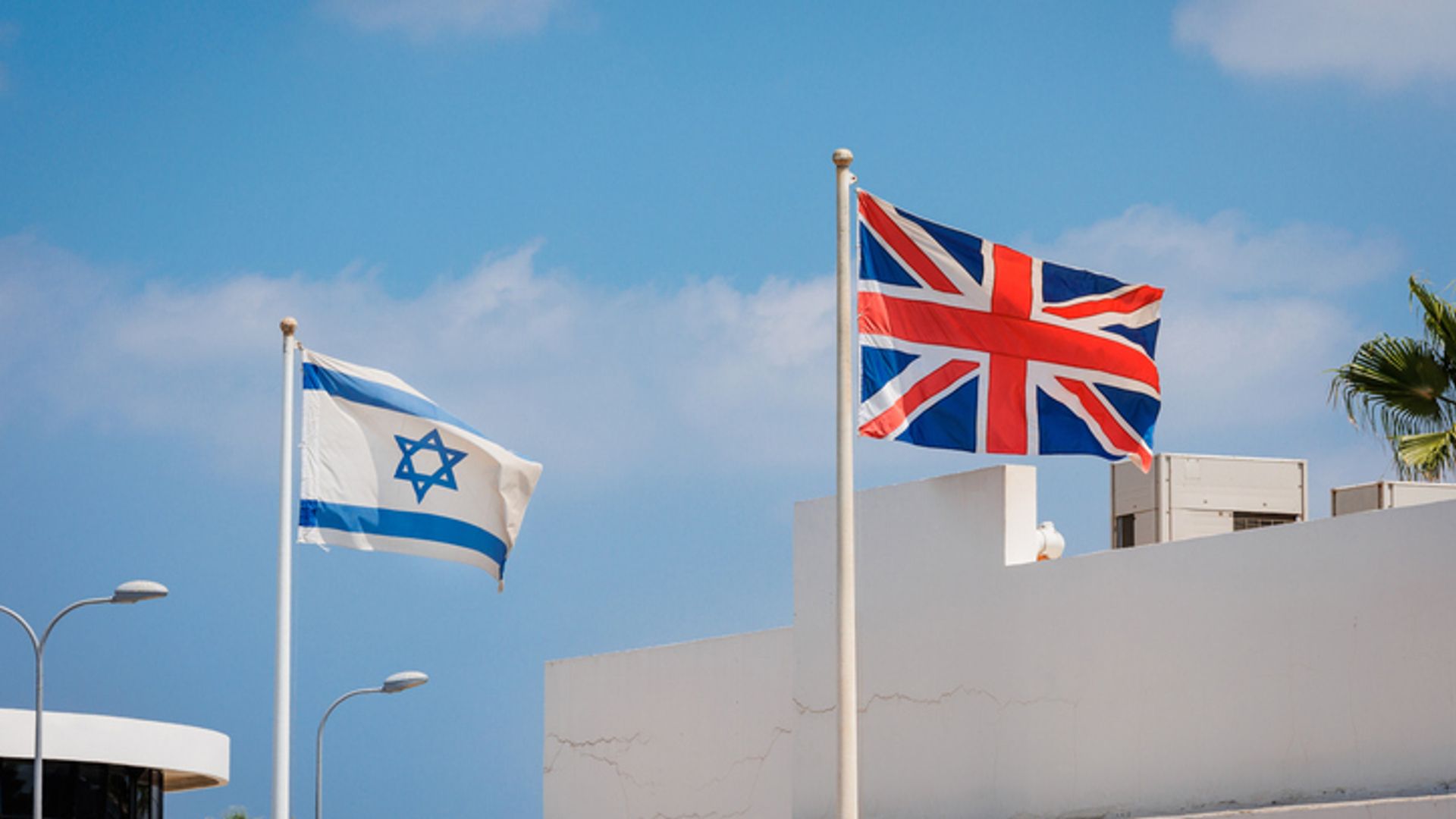
The United Kingdom seriously contemplated suspending its trade agreement with Israel after conducting a detailed impact assessment last summer. This move highlights the evolving nature of UK’s international trade policies following Brexit and signals potential shifts in diplomatic and economic relations between the two nations.
Background: The UK-Israel Trade Agreement
Following Brexit, the UK sought to establish its own trade agreements independent of the European Union. One significant pact was the continuation of a trade agreement with Israel, aimed at facilitating the flow of goods, services, and investments between the countries. This agreement helped maintain economic ties that had been previously governed by EU frameworks.
However, recent geopolitical developments and domestic considerations prompted UK officials to reassess the benefits and risks of this trade deal. The government commissioned a comprehensive impact assessment to analyze the potential consequences of suspending the agreement.
What the Impact Assessment Revealed
The impact assessment, completed last summer, evaluated the economic, political, and legal implications of suspending the trade agreement with Israel. Key areas of focus included the effect on bilateral trade volumes, supply chains, and the broader diplomatic relationship.
While specific details of the report have not been publicly disclosed, its very existence indicates the UK’s cautious approach to managing sensitive international partnerships. The assessment likely considered potential disruptions to exporters and importers on both sides, as well as the ramifications for UK businesses reliant on Israeli products and technologies.
Trade between the UK and Israel encompasses a variety of sectors, including technology, pharmaceuticals, and agriculture. Any suspension would require careful calibration to avoid unintended economic fallout, especially given the UK’s efforts to diversify trade post-Brexit.
Why Suspending the Agreement Matters
Contemplating a suspension of the trade agreement with Israel signals broader considerations in UK foreign policy. Trade agreements often reflect more than just economic interests; they carry diplomatic weight and can influence geopolitical alignments.
For the UK, this move could be linked to evolving positions on Middle Eastern politics, human rights concerns, or strategic recalibrations in light of global shifts. Suspending the agreement—even temporarily—would send a strong message and might influence Israel’s international standing.
Moreover, this deliberation underscores the challenges the UK faces in balancing its new role as an independent trading nation with complex global relationships. It also raises questions about how the UK prioritizes its trade partners amid competing economic and ethical considerations.
What Comes Next
Although the UK considered suspending the trade agreement, no formal decision has been announced. The government is likely weighing the impact assessment’s findings against political, economic, and diplomatic factors before moving forward.
Stakeholders, including business leaders and industry groups, will be closely monitoring the situation. They seek clarity on how any changes might affect supply chains and market access.
Looking ahead, the UK’s approach to its trade agreements with key partners like Israel will remain a critical barometer of its post-Brexit trade strategy. Maintaining robust, mutually beneficial trade relations while navigating complex geopolitical landscapes will be essential for the UK’s economic and diplomatic success.
Conclusion: Navigating Complex Trade Landscapes
The UK’s consideration of suspending its trade agreement with Israel, grounded in a rigorous impact assessment, reflects the intricate balance between economic interests and foreign policy objectives. As global dynamics continue to shift, the UK must carefully manage its trade partnerships to ensure they align with national priorities and international responsibilities.
Full details of the impact assessment and any forthcoming government decisions have not yet been released, but the episode underscores the ongoing challenges and opportunities in shaping the UK’s independent trade future.