

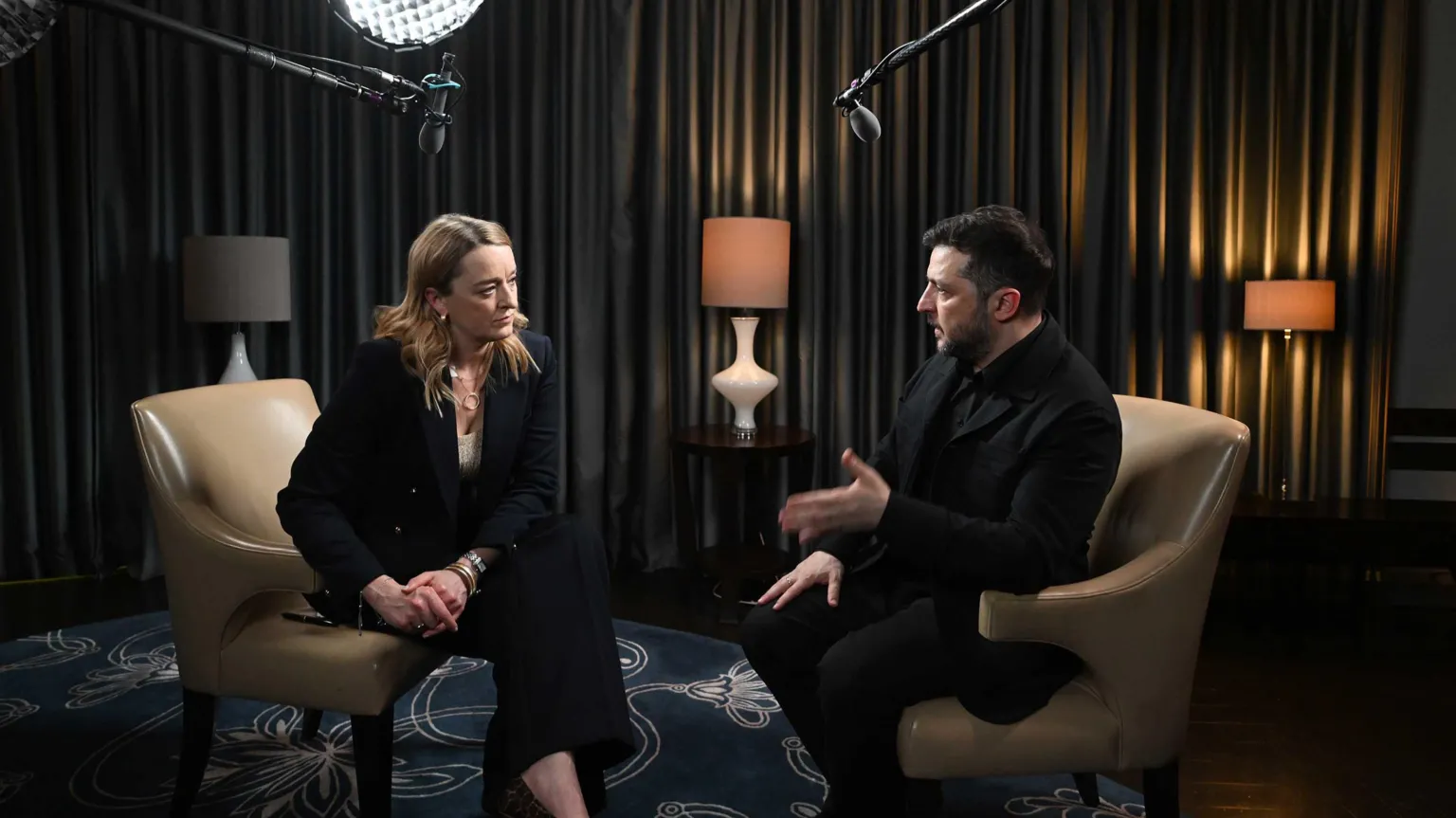
Volodymyr Zelensky has issued a stark warning that Ukraine faces a critical shortage of missiles needed to defend against Russia’s invasion, as the escalating war in the Middle East diverts vital US military resources. In a revealing interview, the Ukrainian president highlighted how the regional conflict threatens to undermine Kyiv’s ability to sustain its defense, potentially prolonging the brutal fight against Moscow.
How the Middle East War Threatens Ukraine’s Defense Supplies
The ongoing conflict in the Middle East—triggered by US and Israeli strikes on Iran and the subsequent Iranian retaliation—has rapidly intensified over recent weeks. This escalation has stretched American missile stockpiles thin, directly impacting Ukraine, which relies heavily on Western-supplied missiles, including the sophisticated Patriot air defense systems.
Zelensky explained that Russia’s President Vladimir Putin aims to exploit this turmoil, hoping for a prolonged conflict involving the US, Israel, and Iran. Such a “long war” would redirect US military resources and attention away from Ukraine, creating a strategic advantage for Russia.
“For Putin, a long war in Iran is a plus,” Zelensky stated. “It increases energy prices, which hurts Ukraine, and leads to depletion of US missile reserves and air defense manufacturing capacity.”
He emphasized the scale of the challenge: the US produces about 60 to 65 missiles monthly, roughly 700 to 800 annually. However, on the first day of the Middle East conflict alone, over 800 missiles were launched. This rapid consumption threatens to exhaust stockpiles crucial for Ukraine’s defense.
Zelensky warned that Ukraine will “definitely” face a deficit in Patriot missiles, calling it “a challenge.” The pressing question now is when US reserves in the Middle East will be depleted and how quickly new production can meet the combined demands of multiple conflicts.
Zelensky on US Politics and Western Unity
Beyond the military implications, Zelensky touched on the complex political landscape shaping the conflict. He remarked on former US President Donald Trump’s stance, suggesting Trump positions himself as a neutral negotiator rather than taking sides in the Russia-Ukraine war. According to Zelensky, Trump prefers to avoid antagonizing Putin, contrasting with a more confrontational European approach.
“Trump wants to finish this war but his advisers have chosen a strategy of dialogue with Putin and not to irritate him,” Zelensky said, adding that Europe’s approach has often pushed Putin away from negotiations.
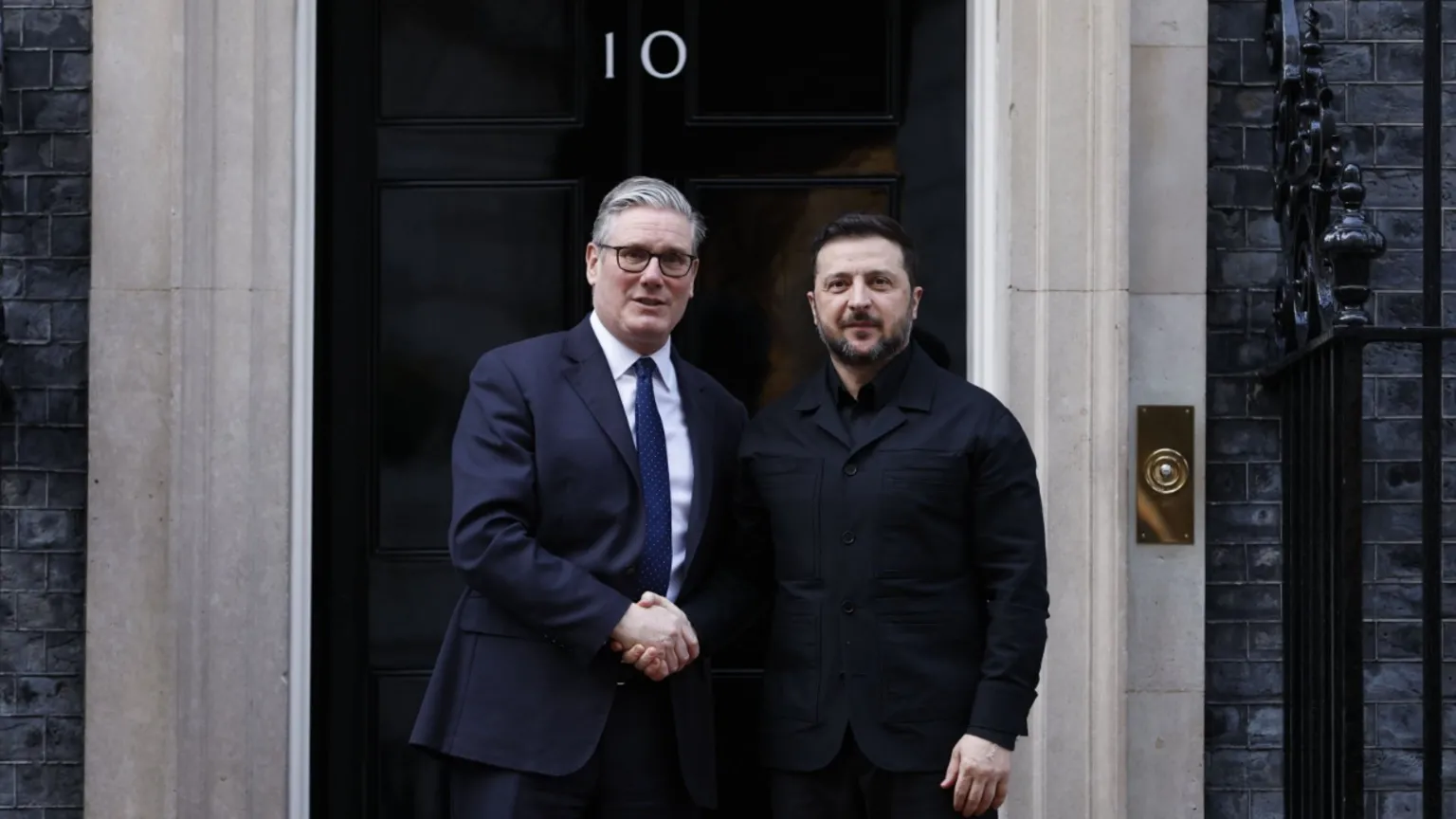
This dynamic has fueled tensions within Western leadership. Zelensky called for unity, urging Trump and UK opposition leader Sir Keir Starmer to meet and establish a common position amid recent public disagreements. Trump’s repeated criticisms of Starmer sparked diplomatic friction, with Zelensky emphasizing the risks of division among allies.
“I would really like President Trump to meet with Starmer so they have a common position,” Zelensky urged during his visit to London, which included talks with Starmer and an address to UK Parliament.
Why This Matters: The Broader Impact on Ukraine’s War and Global Security
Zelensky’s warnings underscore a critical intersection of global conflicts. The Middle East war not only complicates US military logistics but also indirectly strengthens Putin’s hand by destabilizing energy markets and diverting Western attention and arms supplies.
This strain on resources threatens to prolong Ukraine’s struggle, which has now entered its fourth year of resistance against Russia’s full-scale invasion. The stakes are high—not just for Ukraine’s sovereignty but for European and global security.
During his UK visit, Zelensky reiterated the ideological links between the regimes in Moscow and Tehran, describing them as “brothers in hatred” united by hostility toward democratic nations. He stressed the importance of preventing such regimes from gaining further influence or threatening Europe and its partners.
UK Prime Minister Rishi Sunak and opposition leaders, alongside NATO officials, have expressed continued support for Ukraine, emphasizing the need to keep focus on Kyiv despite the distractions posed by Middle East tensions.
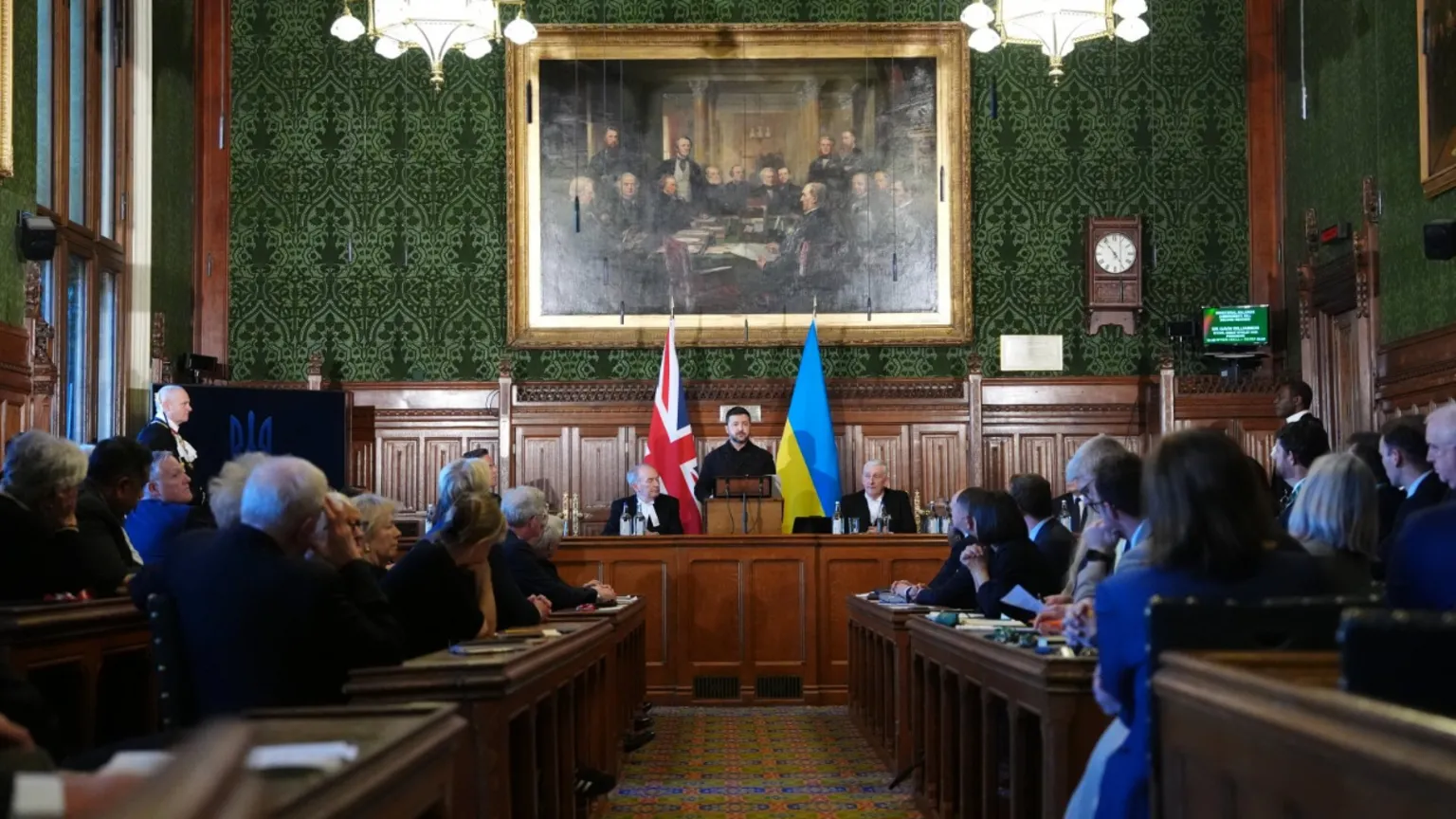
Zelensky’s European tour—including stops in Paris and Madrid—aims to solidify international backing and ensure sustained military aid. His message is clear: the West must not allow the Middle East conflict to overshadow or weaken the commitment to Ukraine’s defense.
Looking Ahead: Navigating Complex Global Conflicts
The convergence of conflicts in Ukraine and the Middle East presents a formidable strategic challenge for the US and its allies. Balancing military support across multiple theaters while maintaining political cohesion demands careful diplomacy and resource management.
Zelensky’s candid assessment serves as a critical reminder that global instability anywhere can ripple into other hotspots, with real consequences on the ground. Ensuring Ukraine receives the weapons and support it needs to defend itself remains a priority if the international community seeks to uphold the rules-based order and deter further aggression.
As missile stockpiles dwindle and geopolitical tensions rise, the world watches closely—aware that the outcomes of these interconnected conflicts will shape security for years to come.
