

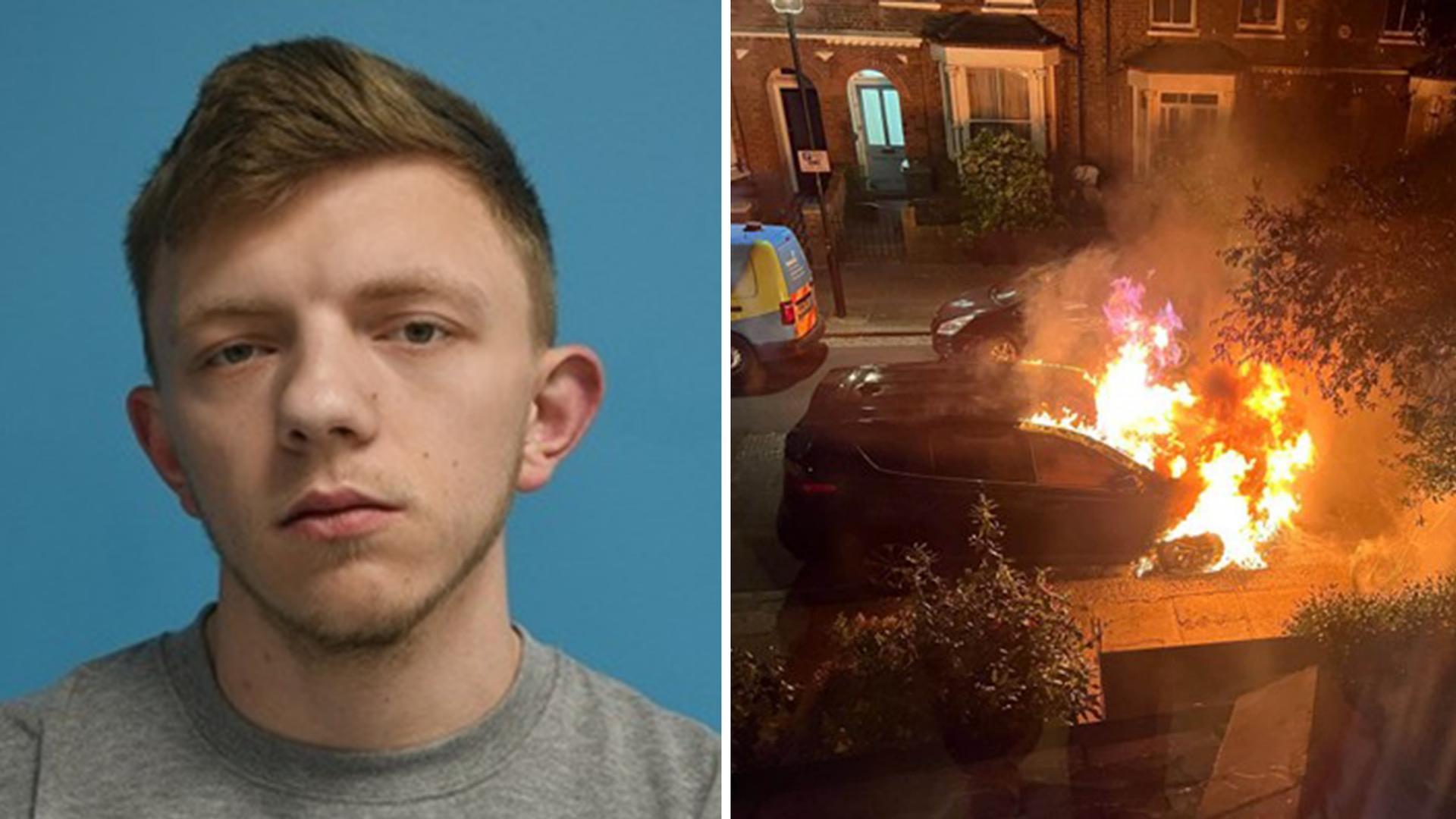
A Ukrainian man embroiled in a high-profile arson case faced sharp criticism from his Russian-speaking handler, known as El Money, after he set fire to a vehicle once owned by Sir Keir Starmer. During the trial, the jury heard how El Money reprimanded the suspect for doing a “bad job” in carrying out the incendiary attack.
What Happened: The Arson Incident and Its Background
The incident centers around the deliberate burning of a car formerly owned by Sir Keir Starmer, the leader of the UK’s Labour Party. This act of arson was not a spontaneous outburst but part of a coordinated effort led by a Russian-speaking figure who directed the Ukrainian suspect. The jury was told that the suspect’s handler, El Money, was actively involved in overseeing the criminal act, emphasizing the planned and controlled nature of the attack.
The vehicle itself holds symbolic significance, as Sir Keir Starmer is a prominent political figure in the UK. Targeting his property sends a strong message, likely intended to intimidate or provoke political tensions. The involvement of a Ukrainian individual under the instruction of a Russian-speaking figure adds a complex geopolitical dimension to the case, stirring public interest and concern about possible wider implications.
Why It Matters: Political and Security Implications
This case is not just about a single act of vandalism; it highlights the broader issues of political intimidation and foreign influence within the UK. Sir Keir Starmer, as the opposition leader, is a key figure in British politics, and an attack on his property raises alarm bells about the security of public officials and political stability.
The fact that the arson was carried out under the direction of a Russian-speaking handler suggests potential cross-border criminal networks or interference. In the current climate of heightened tensions between Russia, Ukraine, and Western nations, this incident could be viewed as part of a wider pattern of politically motivated actions. It also underscores the risks posed by organized groups leveraging vulnerable individuals to execute criminal acts.
Furthermore, the jury’s insight into the handler’s dissatisfaction—telling the Ukrainian suspect he had “did a bad job”—reveals the operational expectations and pressures within these illicit networks. This detail paints a picture of a controlled, hierarchical structure overseeing such acts, rather than isolated criminal behavior.
What Comes Next: Legal and Societal Consequences
The trial continues to unravel the layers behind this arson attack, with authorities seeking to understand the full scope of involvement and intent. Prosecutors aim to demonstrate the premeditation and external control influencing the suspect, potentially leading to more severe charges and stronger sentences.
From a societal perspective, the case serves as a warning about the vulnerabilities faced by political figures and the increasing sophistication of criminal operations targeting them. It prompts law enforcement and intelligence agencies to bolster protective measures and deepen investigations into similar networks operating within the UK.
For Sir Keir Starmer and the public, this event underscores the importance of safeguarding democratic institutions against intimidation and violence. It also highlights the ongoing geopolitical tensions spilling over into domestic affairs, demanding vigilance and resilience from all sectors of society.
Takeaway: A Stark Reminder of Political Risks and Foreign Influence
This arson case involving the burning of Sir Keir Starmer’s former car reveals more than just a criminal act—it exposes a calculated attempt at political sabotage orchestrated by shadowy figures operating across language and national lines. The Ukrainian suspect’s handler, El Money, criticizing the execution of the crime, points to a structured and strategic approach behind the scenes.
As the trial proceeds, the details emerging will likely deepen understanding of how such networks function and the threats they pose to political stability. The incident calls for heightened security awareness and a robust response to protect democratic leaders and institutions from similar attacks in the future.
Full details of all parties involved and the final verdict remain forthcoming as the judicial process unfolds.