

The future of the UK’s largest telescope hangs in the balance following a sudden withdrawal of crucial funding. This development threatens to halt groundbreaking astronomical research and disrupt ongoing scientific projects that rely on this state-of-the-art facility.
What Happened: Funding Withdrawal Imperils Telescope Operations
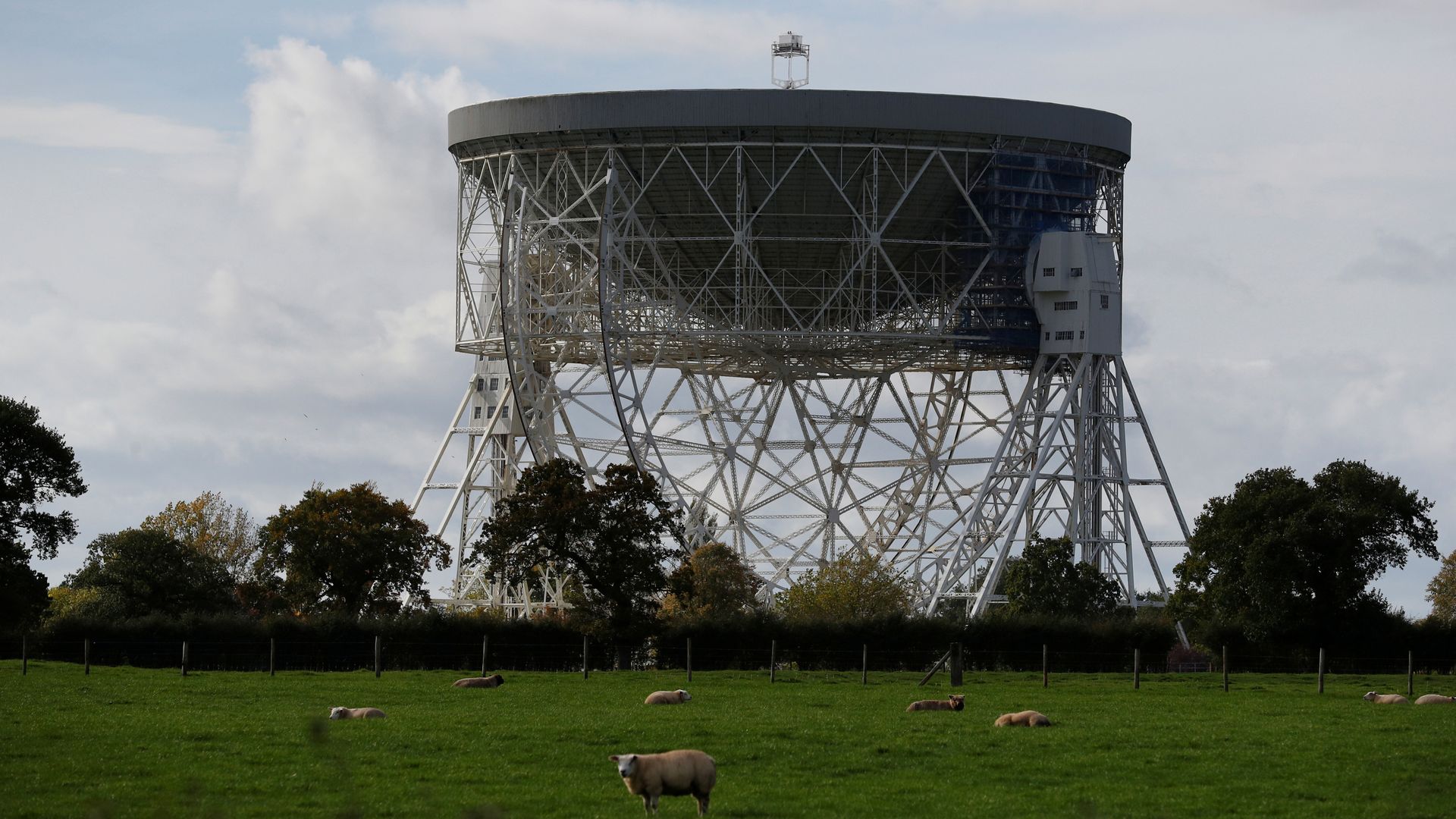
The telescope, renowned as the largest and most powerful in the United Kingdom, has been a cornerstone for astronomers seeking to explore the cosmos. Its ability to capture high-resolution images and collect data from distant celestial objects has contributed significantly to the scientific community’s understanding of the universe.
However, recent budget decisions have led to the withdrawal of financial support that sustains the telescope’s daily operations, maintenance, and development. Without this funding, the facility faces an imminent shutdown that could occur within months if alternative sources are not secured.
The funding cut comes amid broader challenges in the UK’s science budget, where competing priorities and economic pressures have forced difficult choices. The telescope’s operating body now confronts the daunting task of either finding emergency funding or preparing for a halt in its activities.
Why It Matters: Impact on UK Astronomy and Scientific Research
The closure of the UK’s largest telescope would represent a significant setback for British astronomy. This facility has been instrumental in numerous discoveries, ranging from mapping distant galaxies to studying the physics of black holes and exoplanets. Its advanced instrumentation and unique capabilities have made it a vital tool not only for UK scientists but also for international collaborations.
Beyond the immediate scientific loss, the telescope’s shutdown would impact the training and development of the next generation of astronomers. Many students and researchers rely on access to this observatory to conduct experiments, gather data, and advance their careers. The potential shutdown threatens to shrink the UK’s role in leading-edge astronomy and could drive talent and partnerships abroad.
Broader Implications for UK Science Funding
This funding cut signals deeper concerns about the sustainability of long-term scientific infrastructure in the UK. Large-scale telescopes require continuous investment, not only for operation but also to upgrade and maintain cutting-edge technology. The withdrawal raises questions about future commitments to such critical assets amid shifting government priorities.
What Comes Next: Seeking Solutions and Future Prospects
The telescope’s managing organization is actively exploring alternative funding avenues, including private partnerships, academic consortia, and international cooperation. However, securing sufficient resources on short notice remains a formidable challenge.
Science advocates and the astronomy community have voiced strong support for the telescope, emphasizing its unique contributions and urging policymakers to reconsider or supplement the funding decision. Public campaigns and stakeholder engagement may play a crucial role in preventing the shutdown.
At the same time, researchers are assessing contingency plans to mitigate the impact on their projects, including shifting observations to other facilities abroad, though none match the UK telescope’s specific capabilities.
Looking Ahead: The Stakes for UK Astronomy
The potential closure of the UK’s largest telescope underscores the fragile nature of scientific infrastructure reliant on consistent funding. Its fate will not only affect current research but also the UK’s long-term position in the global astronomy community.
For policymakers, this situation highlights the importance of safeguarding essential scientific assets to maintain innovation and leadership. For the public and scientific community alike, it is a call to recognize and support the institutions that expand humanity’s understanding of the universe.
As efforts continue to find a sustainable path forward, the coming months will be critical in determining whether the UK retains its premier astronomical facility or faces the loss of a vital window to the stars.