

The United Kingdom’s recent streak of exceptionally high temperatures is approaching its end, according to weather forecasters. However, experts warn that this period of intense heat may not be over for good and could make a comeback in the coming weeks.
What’s Happening with UK Temperatures?
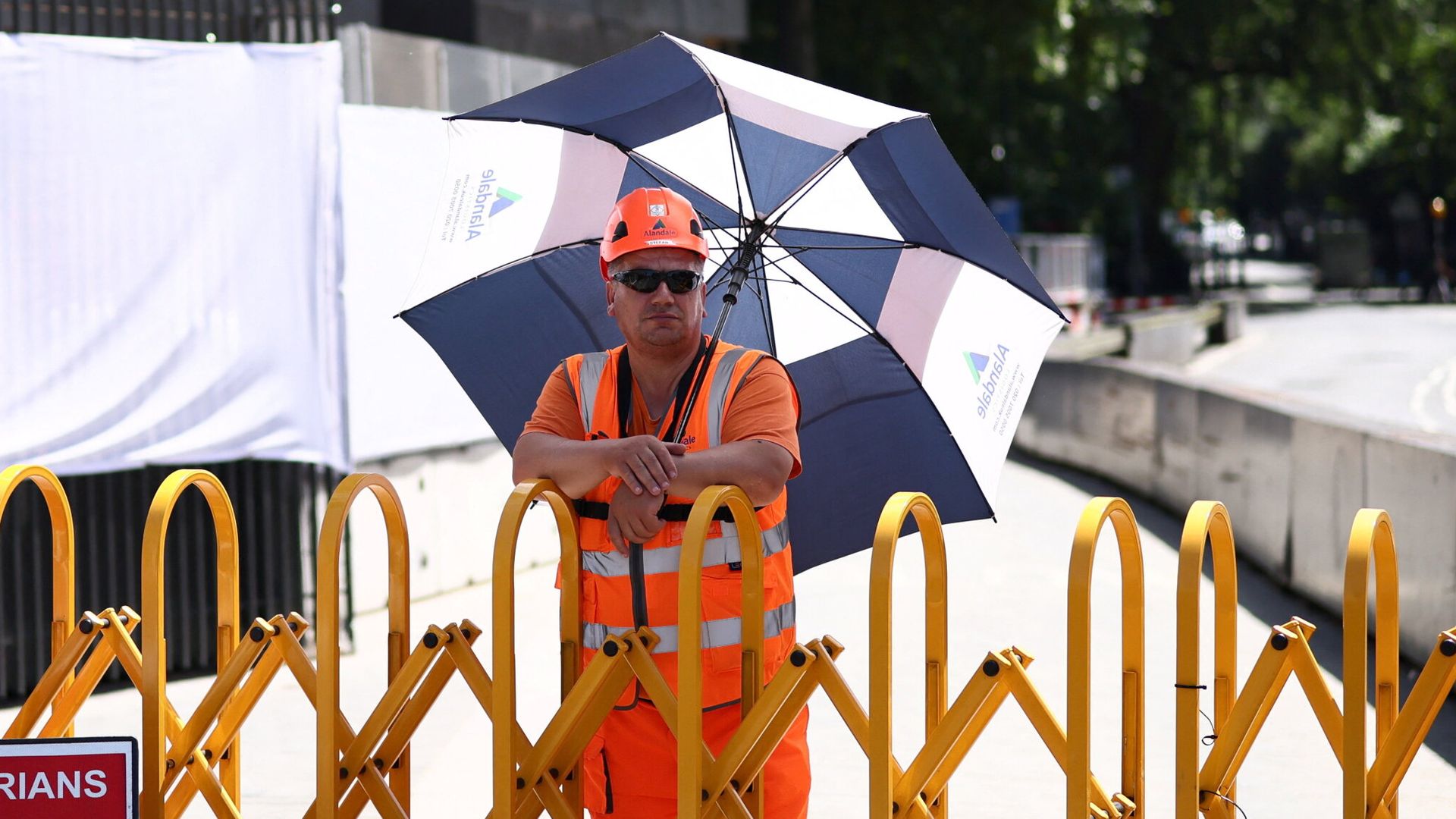
Over the past several days, much of the UK has experienced a significant heatwave, with temperatures soaring well above seasonal averages. This surge in warmth has been notable for its intensity and duration, impacting daily life, infrastructure, and public health.
Forecasters now predict that this current spell of very high temperatures will ease in the next few days. Cooler air masses are expected to move across the region, bringing relief from the extreme heat. This change is anticipated to lower daytime temperatures closer to typical summer levels for this time of year.
Why This Heatwave Matters
The recent heatwave has drawn considerable attention due to its potential effects on various sectors and communities. Prolonged high temperatures can strain the National Health Service as heat-related illnesses increase, especially among vulnerable groups such as the elderly and young children.
Moreover, infrastructure systems including transport and energy networks face challenges during extreme heat. Rail tracks may buckle, roads can soften, and energy demand for cooling spikes, all of which require careful management to avoid disruptions.
Environmental impacts are also a concern. Dry soils and stressed vegetation raise risks of wildfires, while prolonged heat can affect water supplies and ecosystems. Understanding these risks highlights the importance of forecasting and preparing for temperature fluctuations.
Will the Heat Return?
Although the current heatwave is set to end, meteorologists caution that this does not signal an end to all hot weather in the UK this summer. Weather patterns remain dynamic, and there remains a real possibility of another period of intense heat emerging in the weeks ahead.
Experts emphasize the need for ongoing vigilance and preparedness, as rapid shifts between cooler and hotter conditions can complicate planning for individuals, businesses, and public services alike.
Staying informed through reliable weather updates and following guidance on heat safety will help communities better cope with these fluctuations.
Looking Ahead: What This Means for the UK
The UK’s climate is becoming increasingly variable, with heatwaves that can disrupt normal life and pose serious health and environmental risks. The expected break in extreme temperatures offers a respite, but the potential return of heat underscores the importance of resilience and adaptation strategies.
Communities, policymakers, and infrastructure operators must continue to monitor these developments closely. Investing in heat mitigation measures, public awareness campaigns, and infrastructure improvements will be crucial to managing future heat events effectively.
As the country navigates this summer’s weather patterns, understanding the nature of these temperature swings will help ensure safety and stability amid changing climatic conditions.