

Incorporating weightlifting or strength training into your weekly routine may be one of the most effective ways to boost your longevity. Recent research highlights how dedicating time to resistance exercises can dramatically enhance lifespan and overall health, reshaping the way experts approach fitness and aging.
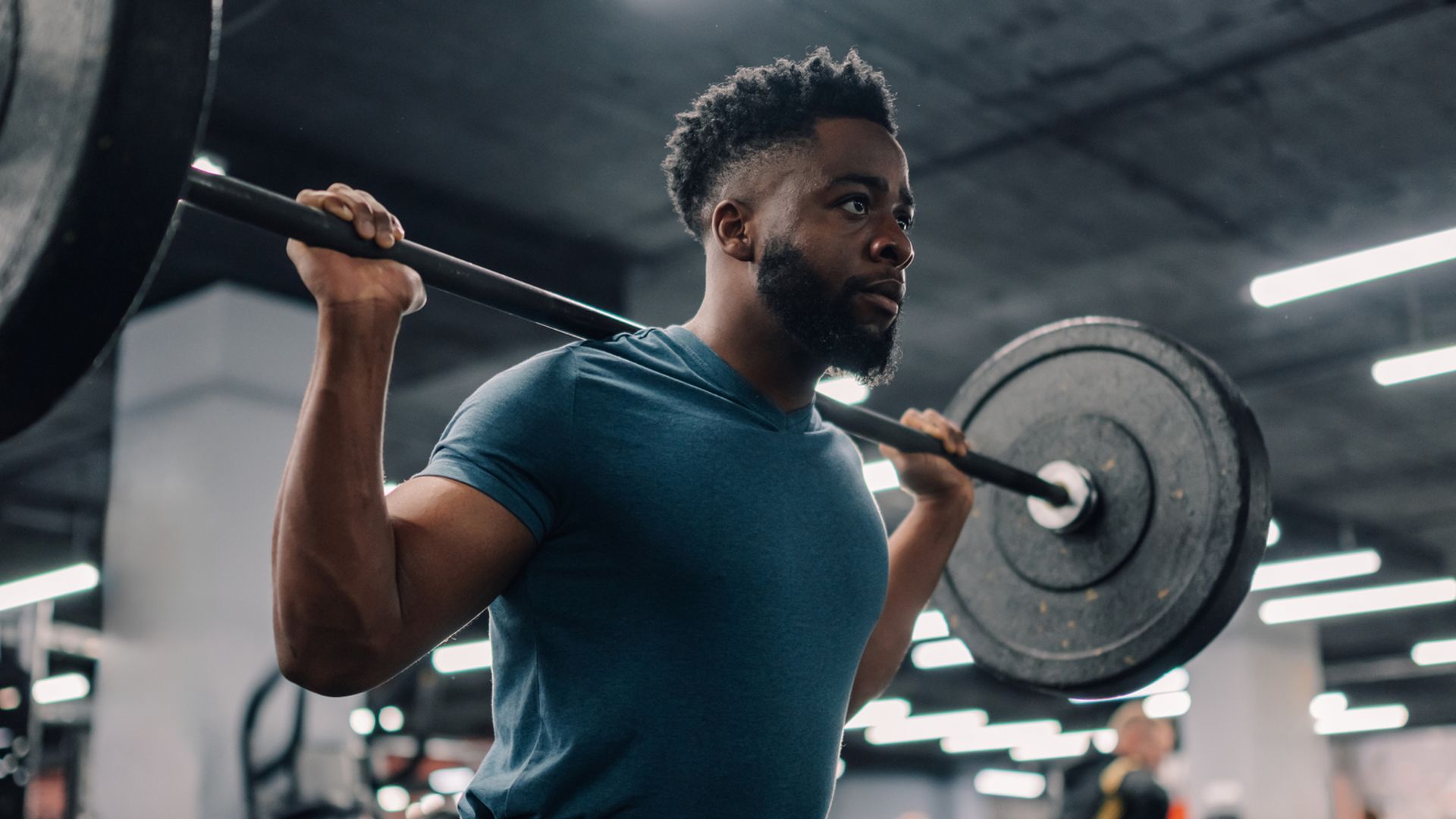
The Lifespan Benefits of Lifting Weights
Scientific studies consistently show that engaging in strength training exercises several times each week reduces the risk of premature death. Unlike aerobic exercises such as running or cycling, weightlifting targets muscle strength, bone density, and metabolic health, all critical factors in aging well.
Muscle mass naturally declines as people age—a process called sarcopenia—which can lead to frailty, falls, and chronic diseases. By regularly lifting weights, individuals counteract this muscle loss, maintaining physical function and independence longer into old age.
Experts emphasize that even moderate strength training, such as using resistance bands or bodyweight exercises, delivers significant health returns. The key is consistency, with most guidelines recommending at least two to three strength sessions per week.
How Strength Training Enhances Health Beyond Muscle
Weightlifting does more than build muscle—it improves cardiovascular health, insulin sensitivity, and mental well-being. By increasing muscle mass, the body better regulates blood sugar levels, reducing the risk of type 2 diabetes.
Additionally, strength exercises stimulate bone remodeling, helping to prevent osteoporosis and fractures. This is especially important for older adults, as bone density loss can severely impact mobility and quality of life.
Mental health also benefits from regular resistance training. Exercise releases endorphins and reduces symptoms of depression and anxiety, contributing to a better overall sense of well-being.
Why Prioritizing Strength Training Matters for Everyone
Modern lifestyles often emphasize cardio fitness, but neglecting strength training overlooks a crucial component of health. For people of all ages, maintaining muscle is essential—not just for aesthetics but for practical daily functioning.
Physical strength supports balance, making falls less likely—a leading cause of injury in seniors. It also enhances metabolic rate, which helps control weight and prevent obesity-related diseases.
Importantly, strength training adapts to all fitness levels. Beginners can start with light weights or resistance bands, progressing gradually, while athletes can challenge themselves with heavier loads. This accessibility makes it a universal tool for health promotion.
What This Means for Your Fitness Routine
Integrating weightlifting into your exercise schedule offers a powerful strategy for extending your life and enhancing quality of life. Experts recommend combining strength training with cardiovascular activities to achieve balanced fitness.
Healthcare providers and fitness professionals increasingly advocate for strength training as a preventive measure against chronic illnesses and age-related decline. The evidence is clear: making time to lift weights isn’t just about muscle—it’s about longevity.
Whether you’re a seasoned athlete or just beginning your fitness journey, prioritizing resistance exercises can yield profound benefits. The science shows a simple truth—do you even lift? If not, now is the time to start.