

On the 25th anniversary of the tragic murder of British backpacker Peter Falconio, Australian police have released previously unseen photographs from their extensive investigation into the case. This move reignites attention on one of Australia’s most infamous and haunting criminal cases, shedding new light on the events that shocked the nation and the international community alike.
The Murder of Peter Falconio: A Case That Captivated a Nation
Peter Falconio, a young British backpacker traveling through the Australian outback, vanished in July 2001 under mysterious and violent circumstances. His disappearance, alongside his girlfriend Joanne Lees, triggered a massive search effort and an international media frenzy. Falconio’s body was never found, but evidence gathered by police led to the conviction of Bradley John Murdoch, who was sentenced to life in prison for the murder.
The release of these previously unseen photos marks a significant development in the ongoing public interest surrounding the case. These images, which have remained under wraps for a quarter of a century, provide crucial visual context to the investigation and help illustrate the grim reality of the crime scene and the meticulous work conducted by law enforcement.
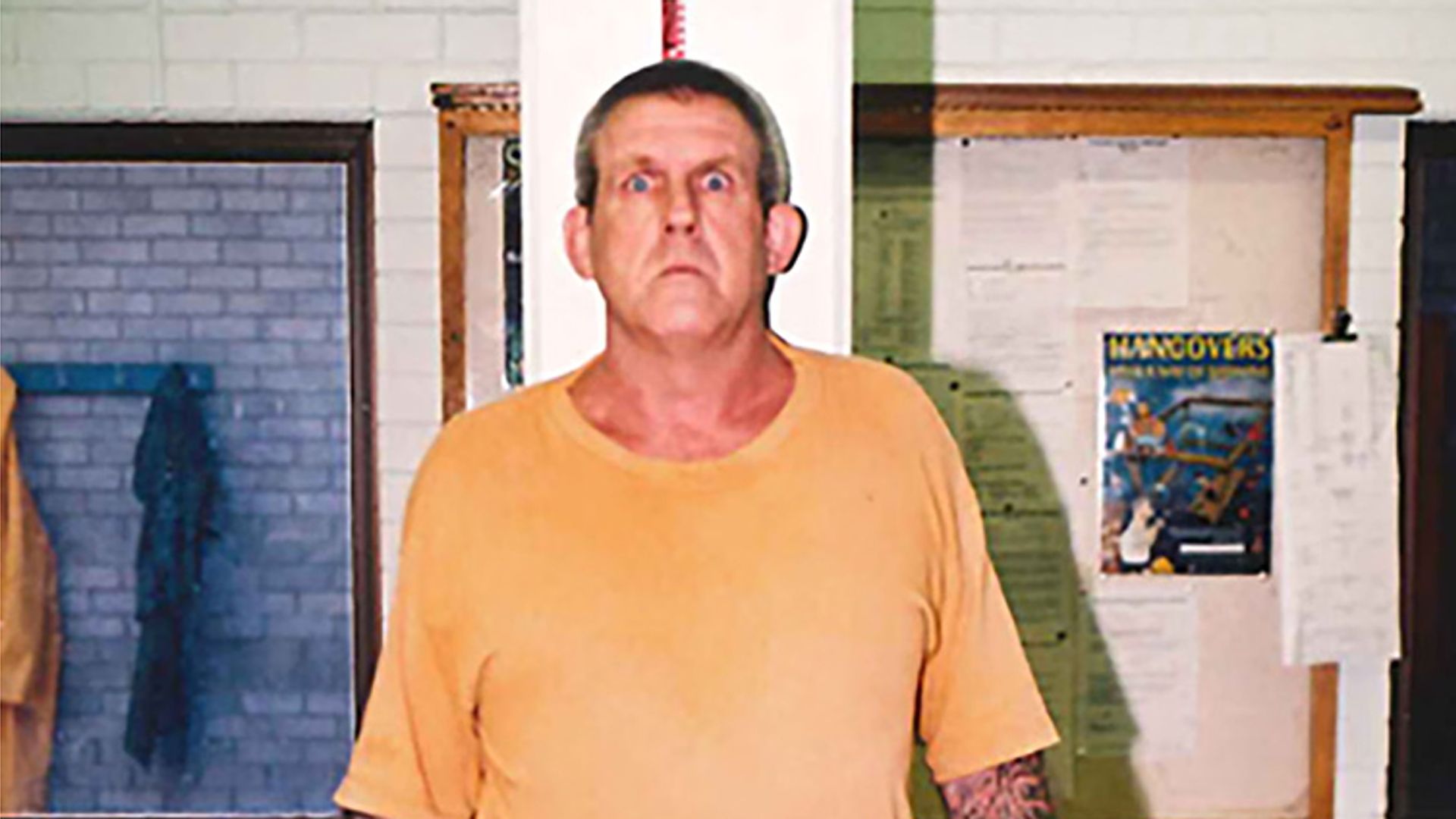
Behind the Scenes of the Investigation: What the Photos Reveal
The newly released photographs offer a rare glimpse into the painstaking investigative process carried out by Australian police. They include images of the crime scene, forensic evidence collection, and various locations linked to Falconio’s disappearance. These visuals serve not only as historical documentation but also as a stark reminder of the challenges faced by investigators working in remote and harsh outback conditions.
Forensic experts and detectives spent months piecing together clues from the desolate highway where Falconio and Lees were traveling. The investigation was complicated by the lack of a recovered body, limited eyewitness accounts, and the vastness of the Australian desert. The photos highlight the scale and complexity of the operation, showcasing everything from vehicle examinations to detailed evidence markers scattered across the site.
Why This Anniversary and Photo Release Matter
Marking 25 years since Falconio’s murder, the release of these photos serves multiple purposes. It honors the memory of Peter Falconio and acknowledges the enduring pain of his loved ones, particularly Joanne Lees, who has remained a vocal advocate for justice and awareness of violent crimes against travelers.
Additionally, the release renews public and media interest in the case, potentially encouraging fresh perspectives and discussions about safety for backpackers and tourists in remote areas. Falconio’s murder remains a cautionary tale about the dangers that can lurk in isolated regions, emphasizing the need for vigilance and preparedness.
From a law enforcement perspective, these images underscore the importance of thorough investigative work, even when cases grow cold or seem unsolvable. They serve as a testament to the dedication of police officers who relentlessly pursue justice against daunting odds.
Looking Ahead: The Lasting Impact of the Falconio Case
As the Australian police release these unseen photographs, the Falconio case continues to resonate deeply within both the backpacking community and the broader public. It highlights ongoing concerns about traveler security and the need for continued advancements in crime investigation techniques.
While the passage of 25 years might suggest closure, the memory of Peter Falconio and the trauma endured by those connected to the case remain vivid. The images provide a solemn reminder of the human cost behind headlines and convictions.
For those planning to explore remote parts of the world, the Falconio case is a sobering example of the potential risks and the importance of safety precautions.
Ultimately, these photographs do more than document a criminal investigation; they keep alive the story of a young man whose life was cut tragically short and the relentless quest for justice that followed.