

As the UK endures unprecedented heatwaves, a surge of people flock to rivers, lakes, and coastal waters seeking respite from soaring temperatures. However, this popular escape has tragically led to multiple fatalities, prompting urgent warnings from the Royal National Lifeboat Institution (RNLI) about the hidden perils of cold water immersion, particularly cold water shock.
What Happened: Rising Temperatures Fuel Risky Water Incidents
Record-breaking heat across the UK has driven many to cool off in open water bodies, from rural lakes to urban canals and seaside spots. While refreshing in theory, sudden immersion in cold water can provoke a severe physiological reaction known as cold water shock. This response can incapacitate even strong swimmers within moments.
In recent days, emergency services have responded to an alarming number of incidents involving swimmers and bathers struggling or drowning in rivers and lakes. Several deaths have been reported, prompting the RNLI to issue stark safety warnings urging caution and awareness.
Understanding Cold Water Shock: The Invisible Killer
Cold water shock occurs when the body experiences a sudden drop in skin temperature upon entering cold water, typically below 15°C (59°F). This rapid cooling triggers an involuntary gasp reflex, hyperventilation, increased heart rate, and a surge in blood pressure. The combination can lead to panic, loss of coordination, and in severe cases, cardiac arrest.
Crucially, cold water shock can strike within seconds of immersion, dramatically increasing the risk of drowning. Victims often inhale water during the initial gasp or become incapacitated before they can swim to safety. This makes cold water shock particularly dangerous for those who underestimate the temperature of natural water sources during heatwaves.
Even experienced swimmers are vulnerable. The sudden physiological stress can overwhelm the body’s ability to cope, especially if the individual is alone or not wearing a lifejacket. The RNLI emphasizes that cold water shock is distinct from hypothermia, which develops more gradually over minutes to hours.
Why It Matters: Protecting Yourself and Others This Summer
The RNLI’s warnings underscore the urgent need for public education on cold water safety amidst the intensifying climate conditions driving heatwaves. As more people seek relief in open water, understanding these hidden risks can save lives.
Experts recommend several precautions to mitigate danger:
- Acclimatize gradually: Enter cold water slowly to allow your body to adjust and reduce shock risk.
- Wear a lifejacket or buoyancy aid: This can keep you afloat if cold water shock incapacitates you.
- Never swim alone: Always have someone nearby who can assist or call for help.
- Avoid alcohol before swimming: Alcohol impairs judgment and increases hypothermia risk.
- Know your limits: Avoid deep or fast-flowing water if untrained or inexperienced.
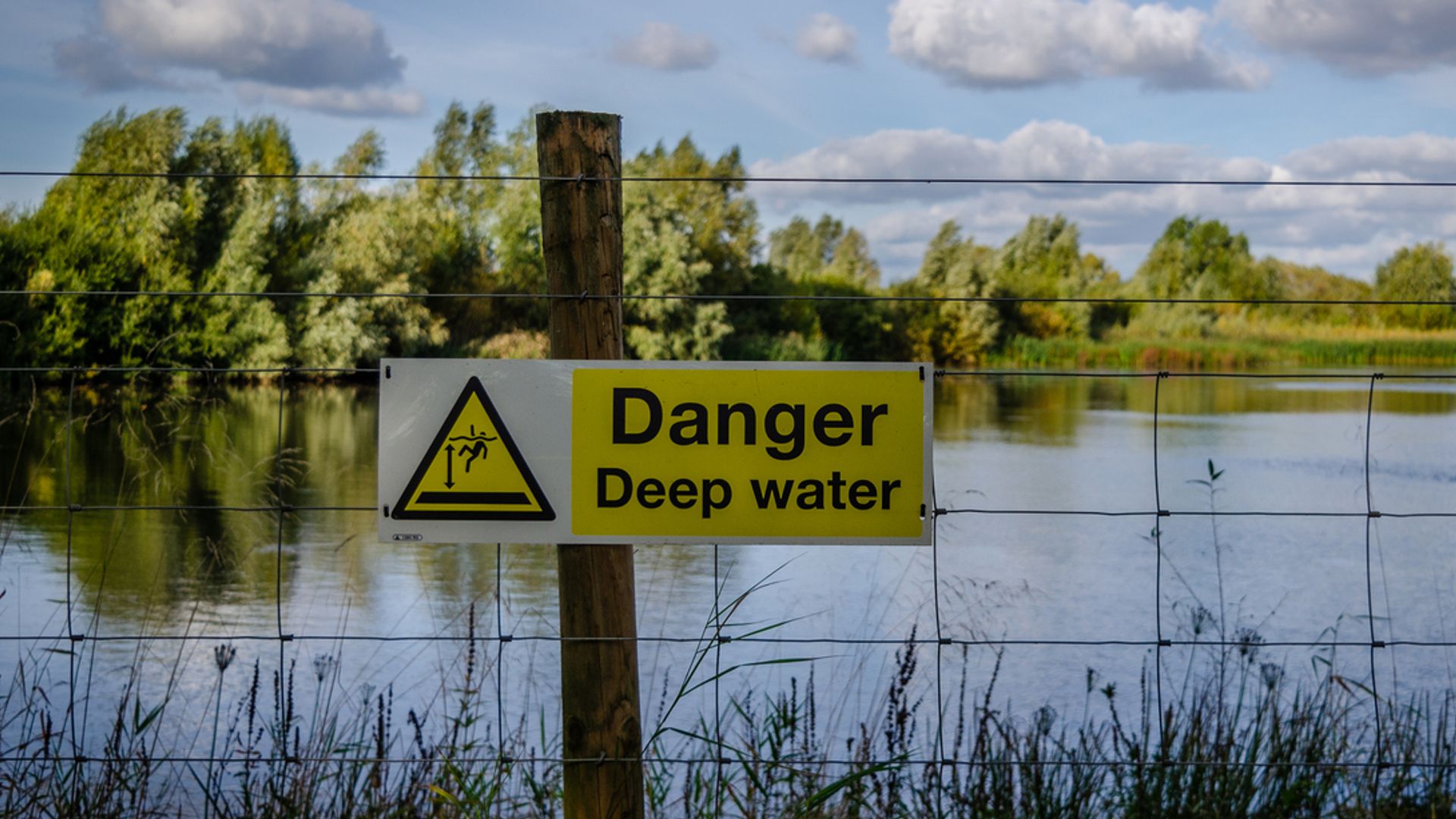
Communities, local authorities, and water safety organizations are also encouraged to increase signage about cold water dangers, provide public education campaigns, and enhance rescue capabilities during heatwave conditions.
Looking Ahead: Staying Safe in a Warming Climate
The UK’s record-breaking heatwaves are part of a broader trend linked to climate change, likely to increase the frequency and intensity of extreme weather events. As summer temperatures climb, recreational water use will continue to rise, heightening exposure to cold water shock and other aquatic hazards.
Understanding cold water shock and taking proactive safety measures is essential for individuals and communities to prevent further tragedies. The RNLI’s recent warnings serve as a critical reminder: escaping the heat by plunging into cold natural waters carries serious risks that must be respected.
Staying informed, prepared, and cautious is the best defense against the deadly consequences of cold water shock this summer and beyond.