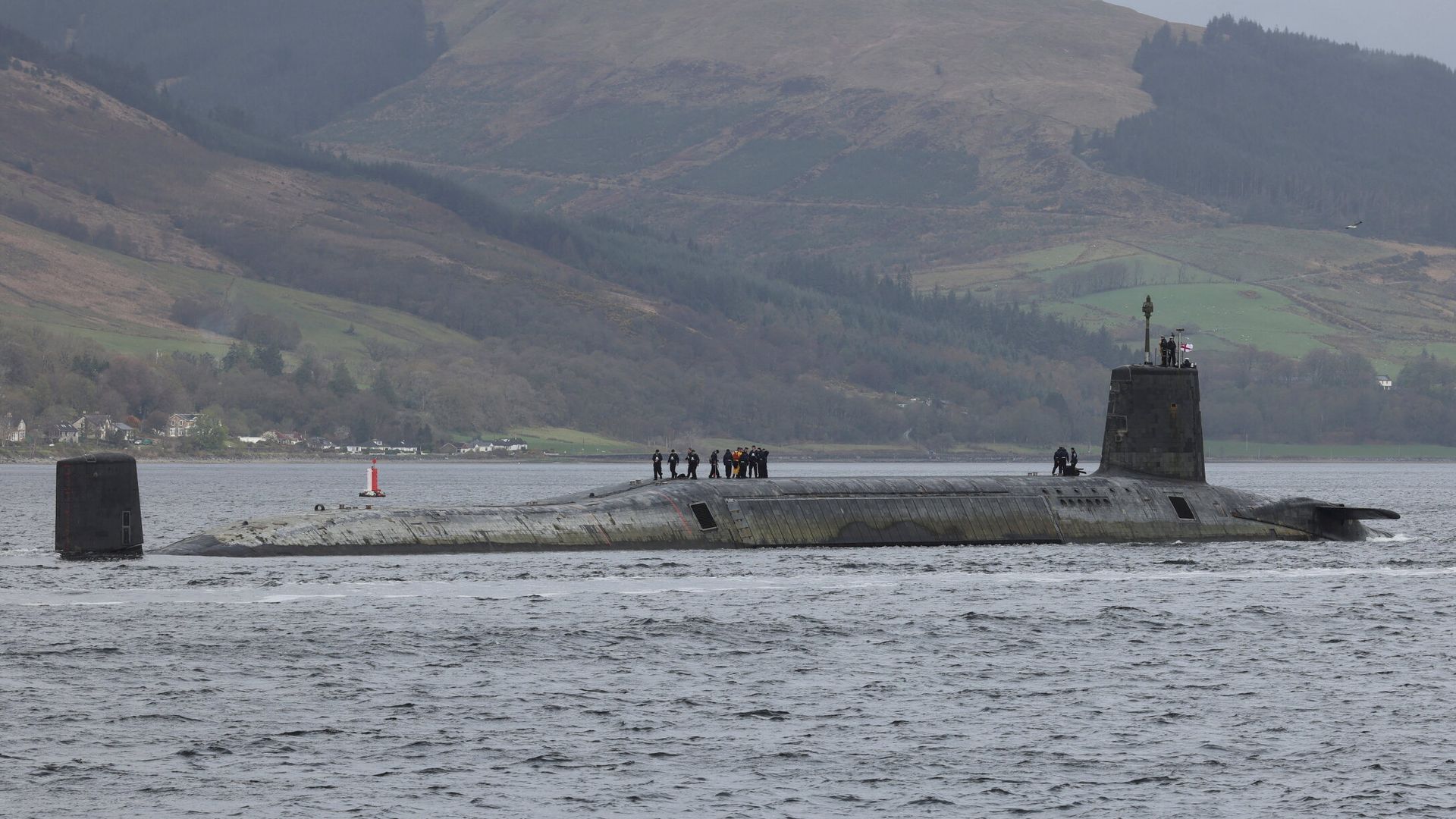
The United States is intensifying its efforts to expand military operations in Greenland, engaging in closely guarded talks with Denmark to open three new bases in the strategically vital Arctic territory. These negotiations, progressing steadily over recent months, signal a significant shift in Washington’s approach to countering growing Russian and Chinese influence in the northern Atlantic region.
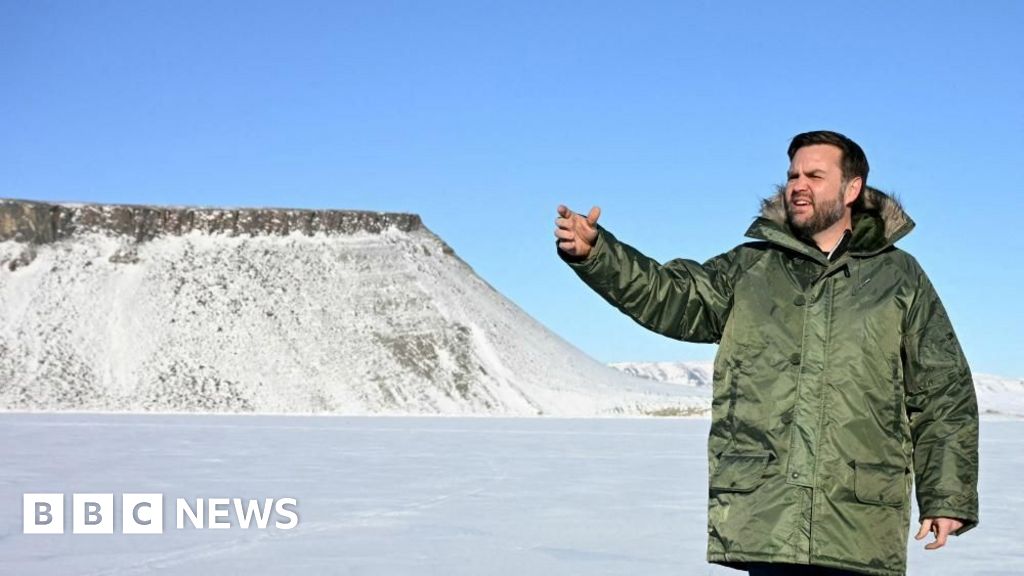
What’s Driving the Expansion of US Military Presence in Greenland?
Greenland, a semi-autonomous territory within the Kingdom of Denmark, occupies a crucial position along the GIUK Gap—a naval chokepoint between Greenland, Iceland, and the United Kingdom. This maritime corridor is essential for monitoring naval movements from Russia and China, two countries whose Arctic ambitions have increasingly concerned NATO and US defense strategists.

US officials have proposed establishing three new bases in southern Greenland, aimed primarily at enhancing surveillance capabilities in this key region. These bases would enable the US military to better track submarine and ship movements, providing early warning and strategic advantages amid escalating geopolitical tensions in the Arctic.
According to sources familiar with the talks, the US has even suggested that these bases could be granted formal sovereign status, effectively becoming US territory. This arrangement underscores the strategic importance Washington places on solidifying its presence in Greenland to project power and secure vital maritime routes.


The Diplomatic Backdrop: From Trump’s Controversy to Ongoing Negotiations
The current negotiations come after a diplomatic storm erupted earlier this year when then-President Donald Trump controversially floated the idea of purchasing Greenland from Denmark. Trump’s remarks in January, where he suggested the US should “own” Greenland to prevent it from falling under Russian or Chinese control, triggered alarm in Copenhagen and Nuuk. He ominously hinted the acquisition could occur “the easy way” or “the hard way,” further straining transatlantic relations.
Despite the initial backlash, Denmark swiftly affirmed its openness to closer defense cooperation with the US. The Danish Ministry of Foreign Affairs confirmed ongoing talks but declined to disclose specific details, emphasizing the diplomatic sensitivity of the discussions.

The White House has also maintained a cautious stance, confirming high-level engagement with both Denmark and Greenland but refusing to comment on the finer points. A senior White House official expressed optimism about the progress, signaling a shared interest in strengthening Arctic security ties.
Why Greenland Matters: Strategic Implications for Arctic Security
Greenland’s geographic position makes it a linchpin in the broader contest for Arctic dominance. The Arctic region is becoming a new frontier in global security due to melting ice opening new maritime routes and access to untapped natural resources. Both Russia and China have ramped up military and economic activity in the Arctic, prompting NATO allies to bolster their presence.

The GIUK Gap, often described as a naval “choke point,” is essential for controlling access between the North Atlantic and the Arctic Ocean. Controlling this corridor allows monitoring of Russian submarines and surface vessels, vital for maintaining NATO’s strategic balance.
By enhancing its military footprint in Greenland, the US aims to deter adversarial moves, improve early detection capabilities, and reassure allies in Europe and the Arctic. This expansion aligns with broader US defense policies prioritizing Arctic security as a critical area of competition.

Looking Ahead: What to Expect from US-Greenland-Denmark Military Cooperation
The ongoing negotiations signal a pivotal moment in Arctic geopolitics. If the US succeeds in establishing these new bases, it will mark a significant deepening of American military infrastructure in the region beyond the existing Thule Air Base, the only current US military installation in Greenland.
Such a development will enhance the US’s ability to monitor and respond to maritime activity in the northern Atlantic, potentially reshaping the strategic landscape. It may also set a precedent for how Arctic nations collaborate to manage security challenges posed by rising great-power competition.
For Denmark and Greenland, this represents a balancing act between preserving sovereignty and leveraging strategic partnerships for economic and security benefits. The outcome of these talks will reverberate beyond the Arctic, influencing NATO’s posture and the broader US-Russia-China rivalry.
In summary, the US’s push for new military bases in Greenland reflects a calculated strategy to secure critical Arctic waterways and counter emerging threats. As negotiations continue, the world watches closely, recognizing that Greenland’s icy expanse is fast becoming a hotbed of global security dynamics.