Donald Trump’s staggering $10 billion defamation lawsuit against the BBC faces a critical turning point as a US court warns the case could be dismissed unless he complies with key document requests from the broadcaster. This legal battle marks a high-stakes confrontation between the former US president and one of the world’s largest public broadcasters.
The Lawsuit and the Court’s Warning
Donald Trump initiated his $10 billion (£7.5 billion) defamation lawsuit targeting the BBC for what he alleges were damaging falsehoods broadcast about him. The lawsuit claims the BBC published defamatory content that harmed his reputation and business interests. However, the case now hangs in the balance after a US court issued a stern warning: unless Trump provides the requested documents to the BBC, his lawsuit risks being dismissed entirely.
The court’s demand for document disclosure is a standard part of legal proceedings known as “discovery,” where both parties exchange evidence relevant to the case. The BBC’s request likely includes communications and materials Trump has that could shed light on the allegations. The judge’s warning underscores the importance of transparency and cooperation in such high-profile defamation cases.
Background: Why This Lawsuit Matters
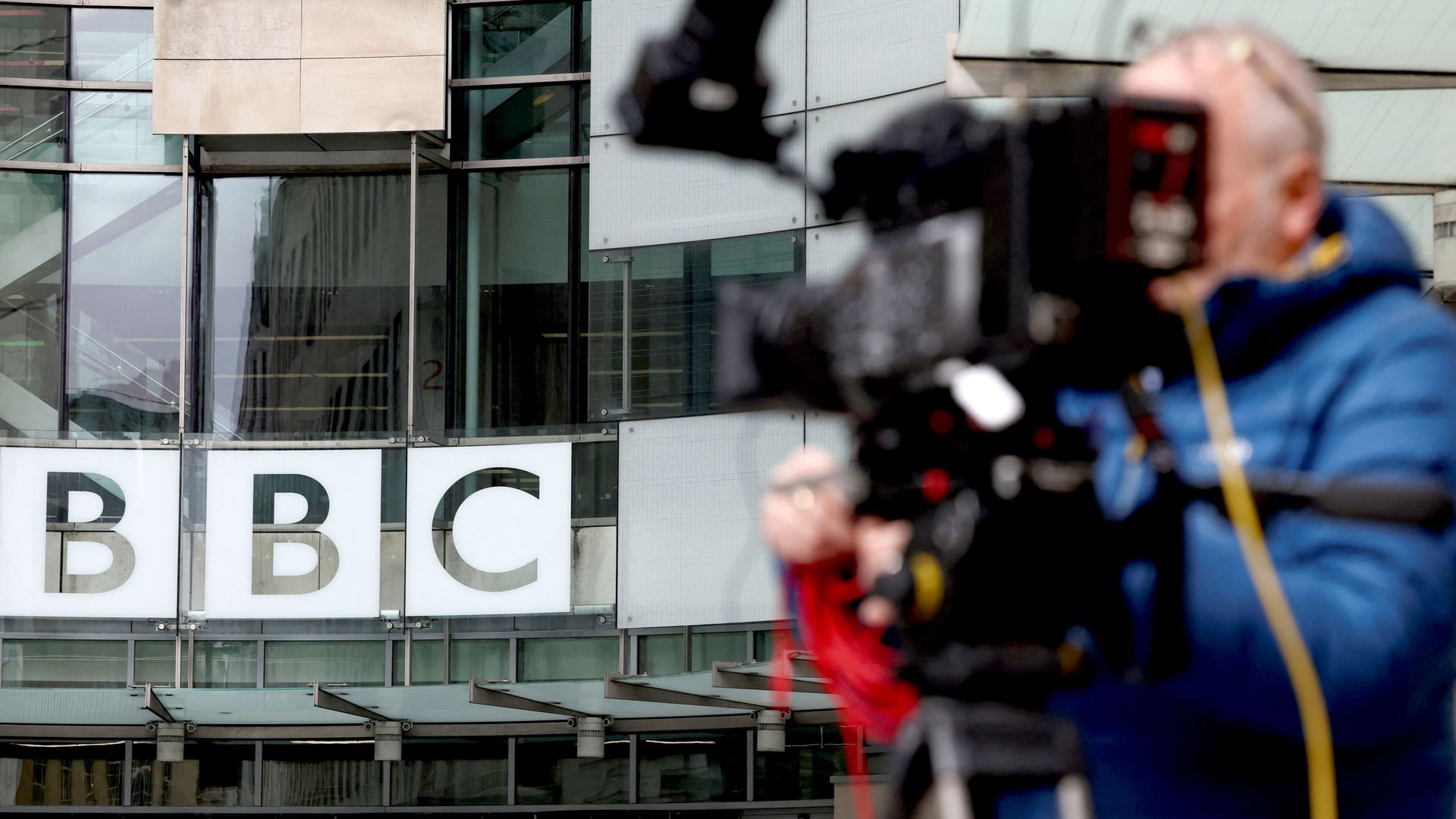
The lawsuit is one of the most significant defamation cases involving a former US president and an international media organization. Trump’s suit against the BBC highlights ongoing tensions between political figures and news organizations over the role of media scrutiny and freedom of the press. The BBC, as a publicly funded broadcaster with a global reputation, has faced numerous lawsuits and accusations from various political figures, but few cases have reached this scale.
Defamation suits by public figures in the US face a high bar because of First Amendment protections for free speech. Plaintiffs must prove that false statements were made with “actual malice”—meaning the broadcaster knowingly shared false information or acted with reckless disregard for the truth. This legal framework makes Trump’s $10 billion claim particularly challenging.
For Trump, pursuing this lawsuit is part of his broader strategy to counteract negative media coverage that he argues has unfairly tarnished his image. The outcome could influence how media organizations report on political figures in the future and set precedents for defamation claims involving public personalities.
What This Could Mean for Both Sides
If Trump complies with the court’s document requests, the case will proceed to further legal scrutiny, potentially culminating in a trial that could last months or even years. Such trials often involve extensive legal battles over evidence, witness testimonies, and media practices. Given the high-profile nature of the involved parties, the case will attract intense public and media attention worldwide.
However, if Trump fails to provide the documents, the court may dismiss the lawsuit outright, dealing a significant blow to his legal campaign against the BBC. Dismissal would not only end this particular case but could also discourage similar defamation lawsuits by political figures against major media outlets, reaffirming the protections afforded to journalists under US law.
For the BBC, a dismissal would be a vindication of its journalistic practices and editorial decisions. It would reinforce the broadcaster’s commitment to investigative reporting and its role in holding powerful figures accountable. Conversely, a trial would force the BBC to defend its reporting rigorously, which could influence its editorial approach in politically sensitive cases going forward.
Looking Ahead: The Stakes for Media and Politics
This legal confrontation between Donald Trump and the BBC encapsulates the broader conflict between press freedom and political influence. It raises critical questions about how media outlets navigate reporting on controversial figures while balancing accuracy and accountability. The court’s insistence on document disclosure serves as a reminder that transparency is essential in resolving such disputes.
As this case develops, it will be closely watched by journalists, legal experts, and political analysts worldwide. The outcome has the potential to shape norms around defamation law, media responsibility, and political discourse in an era marked by heightened polarization and scrutiny of public figures.
In summary, the US court’s warning places significant pressure on Donald Trump to comply with legal procedures or risk losing a landmark defamation case against a major global broadcaster. The ramifications extend beyond the courtroom, signaling important implications for media freedom and political accountability in the years to come.