

The United States experienced a sharp acceleration in inflation during April, with consumer prices rising at their fastest pace since May 2023. This surge is largely driven by escalating energy costs linked to geopolitical tensions in the Middle East, particularly the war involving Iran and its impact on global oil supply chains.
April Inflation Spike: What Happened?
The Consumer Price Index (CPI), a key gauge of inflation measuring the average change in prices paid by consumers over the past year, jumped to 3.8% in April. This marks the highest inflation rate in nearly three years, since it peaked at 4% three years ago.
The Bureau of Labor Statistics (BLS) attributed nearly half of this sharp increase to soaring energy prices. Gasoline costs alone surged significantly, alongside rising prices for groceries and housing. These combined factors have driven overall inflation higher, intensifying the cost pressures faced by American households.
One of the critical catalysts behind the spike in energy prices is the ongoing conflict involving the US, Israel, and Iran. The conflict has disrupted shipping lanes, especially the Strait of Hormuz, a vital maritime chokepoint through which a substantial portion of the world’s oil supply passes. The effective closure or increased risk to this route has sent oil prices climbing, directly impacting the price Americans pay at the pump.

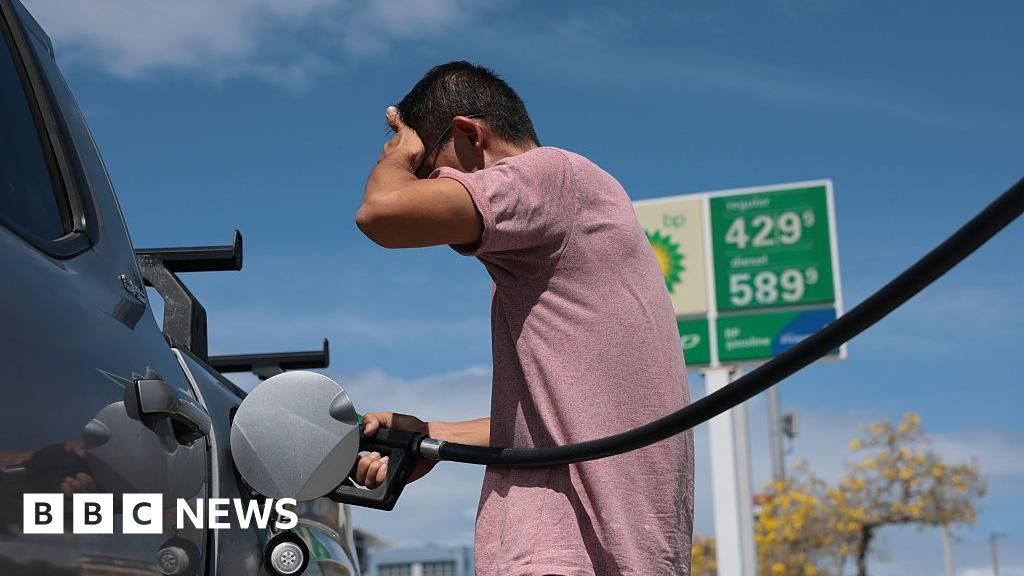
According to data from the AAA motoring group, the national average price for a gallon of unleaded gasoline reached $4.50 in April—the highest level since July 2022. This rise in fuel costs has a ripple effect, pushing up transportation and production expenses across multiple sectors, which further inflates prices for consumers.
Why This Matters: Economic and Policy Implications
The increase from 3.3% inflation in March to 3.8% in April complicates the economic outlook for the coming months. It significantly dims the possibility that the Federal Reserve will reduce interest rates this year. Instead, the Fed may feel compelled to maintain or even increase rates to curb inflationary pressures.
Isaac Stell, an investment manager at the Wealth Club, emphasized that the inflation uptick “leaves possible interest rate hikes firmly on the table.” This signals a more cautious approach from policymakers who are balancing the risks of persistent inflation against economic growth concerns.
Higher interest rates typically aim to slow down consumer spending and borrowing, which can help reduce inflation but also risk dragging the economy into recession if applied too aggressively. The Fed’s next moves will be closely watched by markets, businesses, and millions of consumers already feeling the pinch from higher prices.

What Comes Next for Consumers and the Economy?
For everyday Americans, rising inflation means tighter budgets as the cost of essentials like fuel, food, and housing increases. Energy prices, in particular, have an outsized impact on household expenses and can influence broader economic conditions by increasing transportation and manufacturing costs.
Geopolitical risks around the Iran conflict remain unpredictable, and any further escalation could continue to pressure oil markets. This dynamic keeps inflation concerns front and center for policymakers and consumers alike.
In the coming months, monitoring inflation trends and Federal Reserve policy will be critical to understanding the economic trajectory. Consumers can expect continued volatility in prices, especially in energy, which will shape their spending power and financial planning strategies.
Takeaway: Inflation’s Return and Its Broader Impact
The recent jump in US inflation to 3.8% underscores the complex interplay between global geopolitical events and domestic economic conditions. With energy prices surging due to the Iran conflict and resulting disruptions to oil supply, inflationary pressures are proving resilient. This development challenges the Federal Reserve’s efforts to stabilize prices without stifling growth.
As inflation continues to affect everyday costs—from gas stations to grocery stores—consumers and policymakers face difficult decisions ahead. The path forward will require careful navigation to balance economic stability, energy security, and inflation control in an increasingly uncertain global landscape.