

The United States, United Kingdom, and Australia have launched a groundbreaking defence collaboration focused on developing cutting-edge underwater drones. This strategic partnership aims to enhance undersea capabilities by creating advanced autonomous underwater vehicles (AUVs) that will transform maritime security and intelligence operations.
What This Defence Pact Entails
Under this trilateral agreement, the three nations will pool resources and expertise to accelerate the design, development, and deployment of sophisticated underwater drones. These AUVs are engineered to operate autonomously beneath the ocean’s surface, carrying out reconnaissance, surveillance, and potentially offensive missions in hostile or hard-to-reach maritime environments.
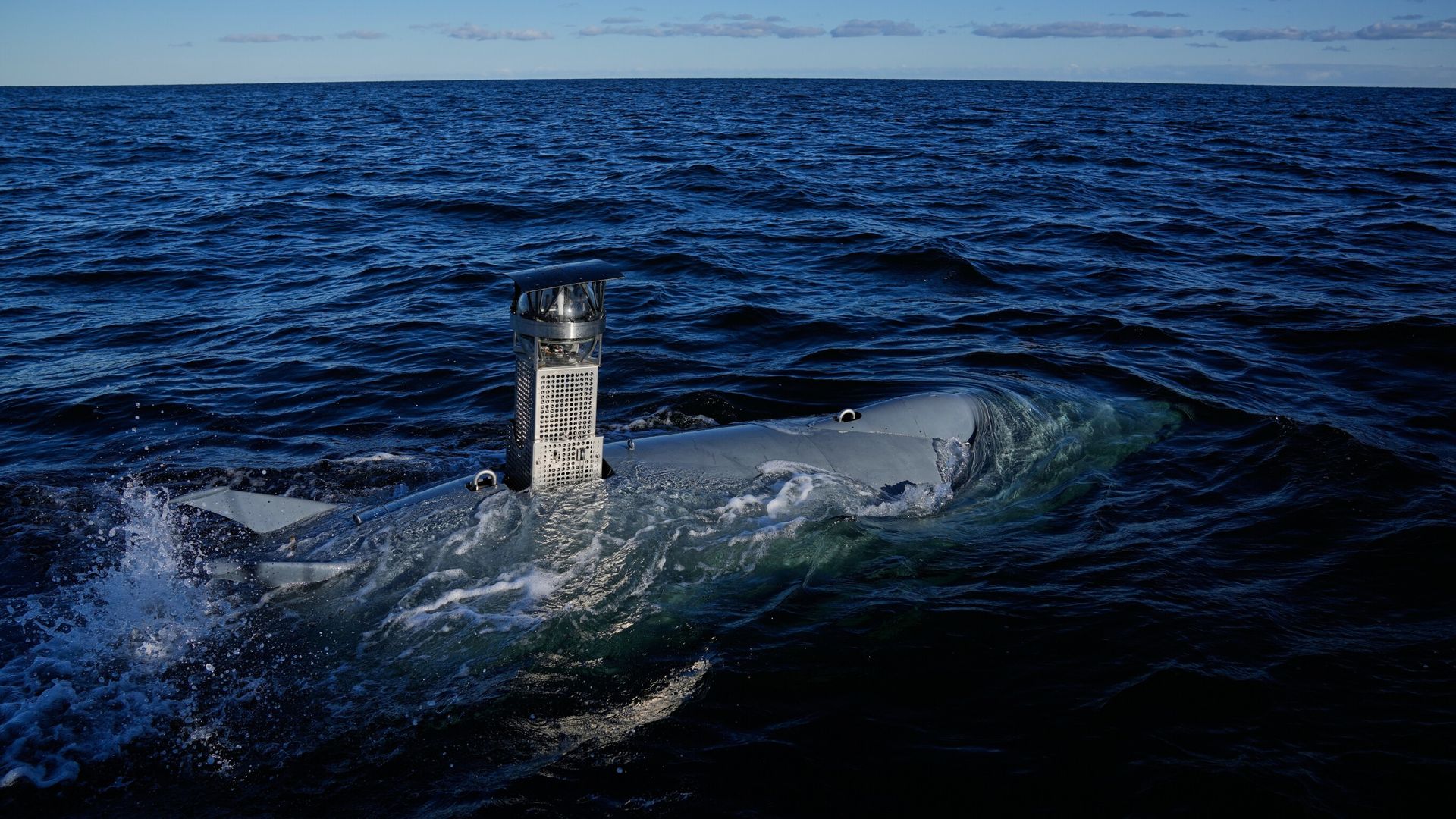
One key example of the technology in focus is the GREYSHARK AUV, developed by EUROATLAS. This autonomous underwater vehicle has already undergone rigorous testing in the Baltic Sea near Damp, Northern Germany, demonstrating advanced navigation and operational capabilities in complex underwater conditions.
By leveraging combined innovation efforts, the US, UK, and Australia seek to maintain a technological edge in maritime defence. The pact underscores the importance of underwater domains in modern warfare and the rising need for autonomous systems that can operate with minimal human intervention.
Why Underwater Drones Matter in Modern Defence
Maritime security faces growing challenges from increasingly sophisticated underwater threats such as enemy submarines, mines, and surveillance devices. Traditional manned operations in these environments are costly, risky, and sometimes impractical. Autonomous underwater vehicles offer a strategic advantage by providing persistent monitoring without putting personnel in harm’s way.
The ability of these drones to conduct covert missions, gather intelligence, map the seafloor, and detect underwater threats enables allied forces to respond faster and more effectively. This is particularly critical in contested regions like the Indo-Pacific, where naval power projection and maritime domain awareness are vital to regional stability.
Moreover, the partnership reflects heightened geopolitical tensions, with the three nations seeking to counterbalance the growing naval capabilities of rival powers. By advancing underwater drone technology, they aim to secure critical sea lanes and protect their interests in international waters.
What’s Next for the Trilateral Underwater Drone Initiative
The collaboration will focus on several key areas: improving battery life and propulsion systems, enhancing sonar and sensor arrays, and developing artificial intelligence algorithms for better autonomous decision-making. The teams will also address interoperability to ensure that the drones can operate seamlessly alongside existing naval assets from each country.
Field trials and joint exercises are planned in strategic maritime zones to validate performance in real-world conditions. These tests will inform iterative improvements and help establish operational doctrines for integrating underwater drones into naval fleets.
Beyond military applications, this technology has potential uses in scientific research, underwater infrastructure inspection, and disaster response, showcasing the broader value of the innovation.
Why This Partnership Matters
This tri-nation defence pact marks a significant leap forward in underwater warfare capabilities. It highlights the growing recognition that controlling the ocean depths is as crucial as dominating the skies or cyberspace in modern conflict.
For the US, UK, and Australia, advancing autonomous underwater vehicles is not just about technology—it is a strategic imperative to maintain security, protect allies, and uphold freedom of navigation worldwide. As underwater drones become more sophisticated, they will reshape maritime operations and potentially redefine naval power balances.
The pact also exemplifies how close international cooperation can accelerate technological breakthroughs that no nation could achieve alone. By sharing knowledge, funding, and operational experience, these allies are setting the stage for a new era in maritime defence innovation.
As the GREYSHARK and similar AUVs continue to evolve, the world will watch closely how this underwater frontier transforms. The coming years will reveal the full impact of these autonomous systems on global security and the future of naval warfare.