

The UK has witnessed a striking decline in vaping rates following the government’s ban imposed a year ago. Despite this significant drop, campaigners are raising urgent concerns about the ongoing disposal of millions of vape devices, highlighting a growing environmental and public health challenge.
Vaping Rates Drop Dramatically After Ban
One year after the UK government enacted a comprehensive ban on certain vaping products, data reveals a sharp decrease in the number of people using vapes nationwide. This decline reflects the government’s efforts to curb vaping, especially among youth and non-smokers, through stricter regulations and enforcement measures.
The ban primarily targeted flavored vape products, which were widely regarded as appealing to younger demographics. By limiting access to these flavors, authorities aimed to reduce vaping initiation rates while encouraging smokers to quit or switch to less harmful alternatives. Early monitoring suggests this strategy has had a measurable impact on vaping prevalence across various age groups.
Campaigners Warn: Millions of Vapes Still Being Discarded
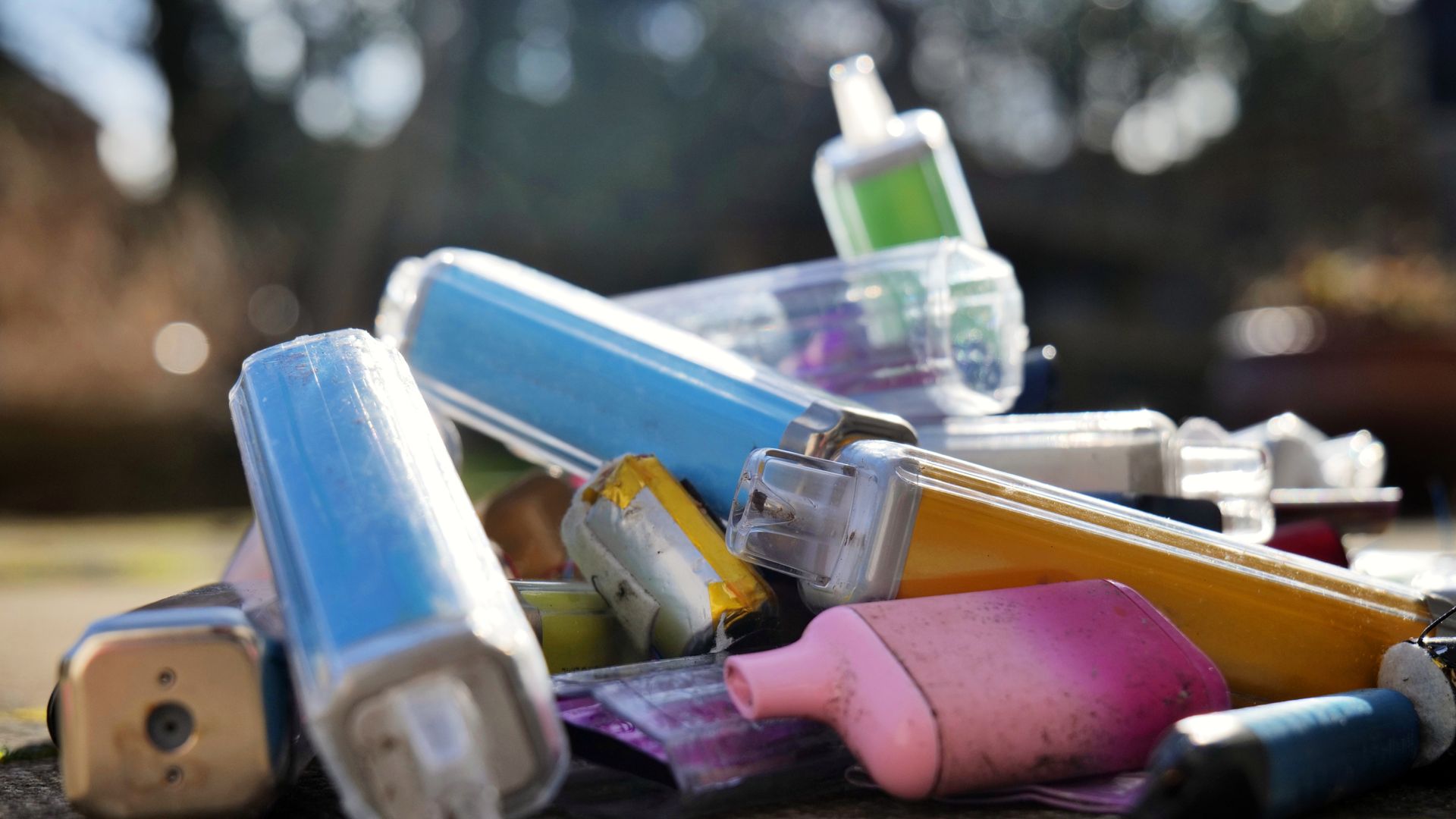
While the drop in usage offers a positive public health signal, environmental campaigners are voicing serious concerns about the disposal of vaping devices. Despite reduced consumption, millions of vapes continue to be discarded improperly, creating a new wave of electronic waste.
Many vape products contain batteries and plastic components that pose environmental hazards if not recycled correctly. Campaign groups emphasize that without proper disposal infrastructure and public awareness, these discarded devices could contribute to pollution and toxic waste problems.
Environmental organizations are calling for enhanced recycling schemes and clearer guidance for consumers on how to dispose of vapes responsibly. They warn that neglecting this issue could undermine the health gains achieved by the ban and create a long-term ecological burden.
Why the Decline in Vape Use Matters
The sharp reduction in vaping is a crucial win for public health advocates concerned about nicotine addiction and respiratory risks. Vaping had surged in popularity, particularly among young people, prompting fears of a new generation becoming dependent on nicotine products.
By curbing vaping rates, the UK government’s ban aims to reduce these health risks and prevent nicotine addiction from becoming entrenched early in life. Additionally, the ban aligns with broader tobacco control policies designed to decrease smoking-related illnesses and deaths.
However, the situation underscores the complexity of regulating emerging products like vapes. While usage has dropped, the environmental impact of discarded devices remains a pressing concern requiring coordinated action between policymakers, manufacturers, and consumers.
Looking Ahead: Balancing Public Health and Environmental Responsibility
The UK’s experience after one year of vaping bans highlights both the successes and challenges of regulating new nicotine delivery systems. The decline in use demonstrates the effectiveness of targeted restrictions in protecting public health.
Yet, the ongoing issue of vape waste signals the need for comprehensive strategies that integrate environmental sustainability into public health interventions. Stakeholders must prioritize developing accessible recycling programs and educating the public about responsible disposal.
As vaping regulations evolve, balancing the reduction of nicotine addiction with minimizing environmental harm will be essential. This dual focus will ensure policies not only safeguard health but also protect the planet from the unintended consequences of discarded vape products.
In summary, the UK’s vaping ban has substantially lowered vape usage, marking a public health victory. However, millions of discarded devices pose a growing environmental threat, underscoring the urgency for sustainable disposal solutions alongside continued regulatory vigilance.