

The Welsh government has officially declared a wildfire crisis, mobilizing emergency plans to combat the escalating threats posed by persistent and widespread fires across the region. This unprecedented move underscores the severity of the situation and highlights growing worries over insufficient aerial firefighting resources, particularly a shortage of helicopters critical for controlling these blazes.
Escalating Wildfires Prompt Government Response
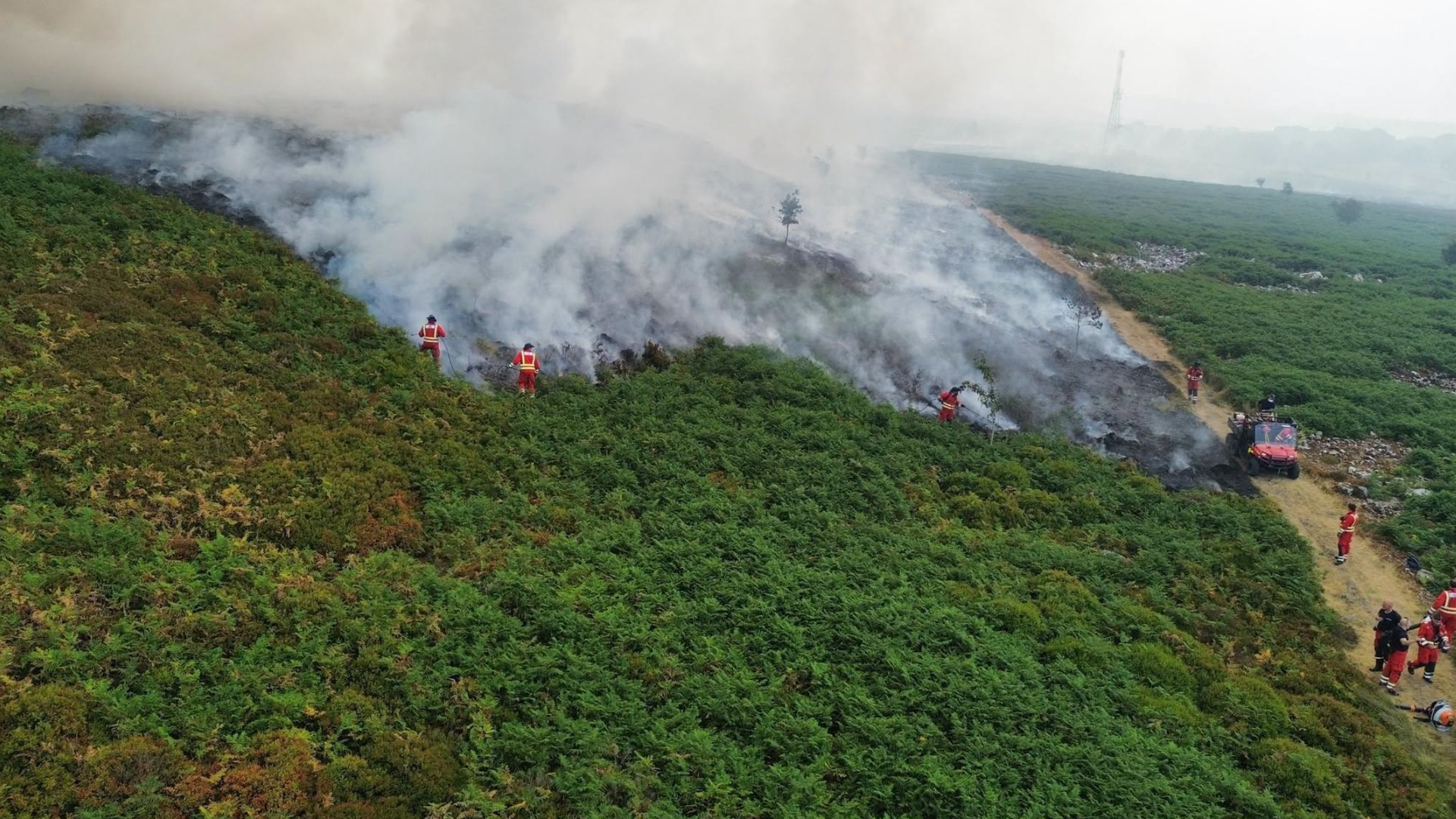
In recent weeks, Wales has experienced a notable increase in wildfire incidents, fueled by dry weather conditions and strong winds. These fires have affected large swaths of countryside, heathland, and forested areas, posing significant risks to local communities, wildlife habitats, and critical infrastructure.
Recognizing the urgent need for coordinated action, the Welsh government activated its “crisis” contingency plans, designed to streamline resources and accelerate response times during emergencies of this scale. This activation enables enhanced collaboration between firefighting services, environmental agencies, and local authorities.
The crisis declaration also triggers the deployment of additional personnel and equipment, aiming to contain existing fires and prevent new outbreaks. However, officials have voiced growing concern about the limited availability of aerial firefighting support, especially the scarcity of helicopters that play a vital role in accessing difficult terrain and dousing flames from above.
Helicopter Shortage Amplifies Firefighting Challenges
Helicopters serve as a critical asset in wildfire management, offering rapid deployment capabilities and the ability to deliver water or fire retardants to remote or otherwise inaccessible locations. In Wales, the lack of sufficient helicopter coverage has hampered efforts to control the flames effectively.
Sources within the firefighting community emphasize that the current deficit in aerial resources has increased the pressure on ground crews, who often face dangerous conditions and logistical hurdles. The terrain in many affected areas is rugged and challenging, limiting accessibility for fire engines and personnel.
Furthermore, the shortage of helicopters is not unique to Wales but reflects broader resource constraints faced by the UK’s emergency services. Demand for aerial support has surged across the country due to a hotter and drier climate, which exacerbates the frequency and intensity of wildfires.
Implications and the Path Forward
The wildfire crisis in Wales serves as a stark reminder of the increasing vulnerabilities that climate change imposes on the region’s ecosystems and communities. The interplay between prolonged dry spells and rising temperatures creates a perfect storm for wildfires, necessitating a reevaluation of preparedness strategies and resource allocation.
Addressing the current helicopter shortage will require strategic investments and coordination at both the national and regional levels. Expanding aerial firefighting capacity could significantly enhance response effectiveness and reduce the environmental and economic toll of future wildfires.
Meanwhile, public awareness campaigns encouraging fire safety and responsible land management are essential to mitigate human causes of wildfires. Local communities must stay vigilant and cooperate with authorities to protect themselves and their surroundings.
What this means for Wales: The crisis declaration marks a critical turning point, signaling that wildfire risks are no longer isolated incidents but a pressing challenge demanding comprehensive solutions. The government’s response underscores its commitment to safeguarding lives and landscapes, but it also highlights systemic gaps that need urgent attention.
As Wales confronts this growing threat, the combination of enhanced emergency planning, increased aerial resources, and community engagement will be key to building resilience against future wildfire seasons.